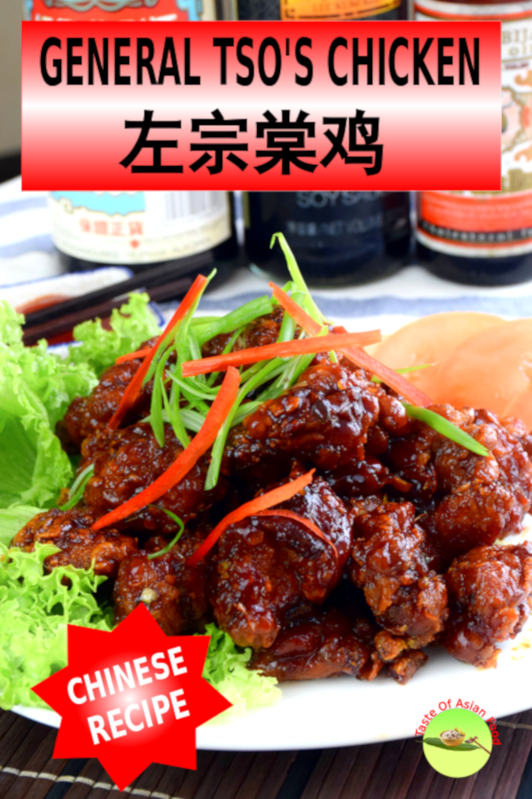
General Tso’s Chicken was the top-selling dish in our restaurant, and it has stayed there for many years for a reason. This isn’t a recipe we copied from a cookbook. It’s one that went through countless test batches, small adjustments in sauce ratios, frying methods, and marination time, until we arrived at a version that customers kept ordering again and again.
Ironically, while General Tso’s Chicken needs no introduction to American diners, it is rarely found in Chinese restaurants in Hong Kong or Malaysia. It’s one of those dishes that truly belongs to Chinese-American cuisine, born overseas, refined by restaurant kitchens, and shaped by local taste.
My goal with this recipe is simple:
to help you replicate a proven, restaurant-quality General Tso’s Chicken at home, with clear explanations of why each step matters. Once you understand the technique, you’ll realize why take-out becomes optional.
Note: This post may contain affiliate links. Please read my privacy policy for more info. I may receive commissions for purchases made through links in this post. As an Amazon Associate, I earn from qualifying purchases.
Why This General Tso’s Chicken Recipe Works
This recipe is not about dumping sugar into a sauce and hoping for the best. It’s built on three core principles:
- Flavor penetrates the meat, not just the surface
We marinate the chicken properly so the seasoning goes beyond the coating. - Crispiness survives the sauce
A dry flour mix (not batter) creates a crust that stays crunchy even after tossing. - Balanced sweet-sour, not cloying
The sauce is savory-forward, with just enough sugar to balance vinegar, a preference shared by many Asian diners.
Every choice here, from chicken cut to oil temperature, serves one purpose: texture first, flavor second, presentation last.
Chicken Choice Matters: Why We Use Thigh Meat Only
We use boneless chicken thighs, never breast meat.
- Thigh meat is juicier and more forgiving
- Better texture after deep-frying
- Holds up to sauce without turning dry
In the restaurant, we buy whole chicken legs and debone them. At home, ask your butcher to do the same, or buy pre-boned thighs. Remove and discard the skin, as it doesn’t improve the final dish.
Cut the meat into bite-sized pieces (about 3–4 cm) and always check for bone fragments.
Technique Tips Before You Start
Read this once. It will save you from common mistakes.
- Marinate long enough
One hour is workable; overnight is ideal. This solves the “flavor only on the coating” problem. - Dry coating, not batter
Batter traps moisture. A dry flour mix creates lasting crispiness. - Fry immediately after coating
If the flour absorbs moisture before frying, crispiness drops dramatically.
Concentrated sauce only
The sauce should cling, not flood. No cornstarch slurry swimming in water.
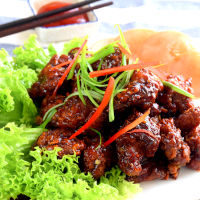
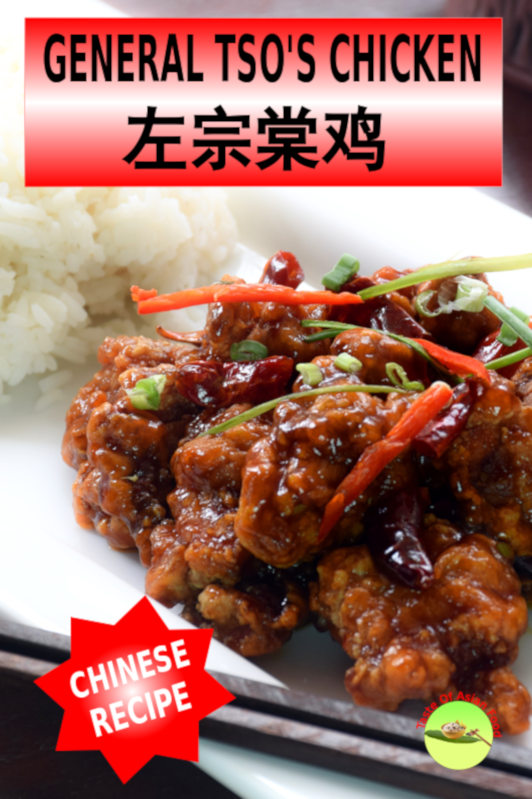
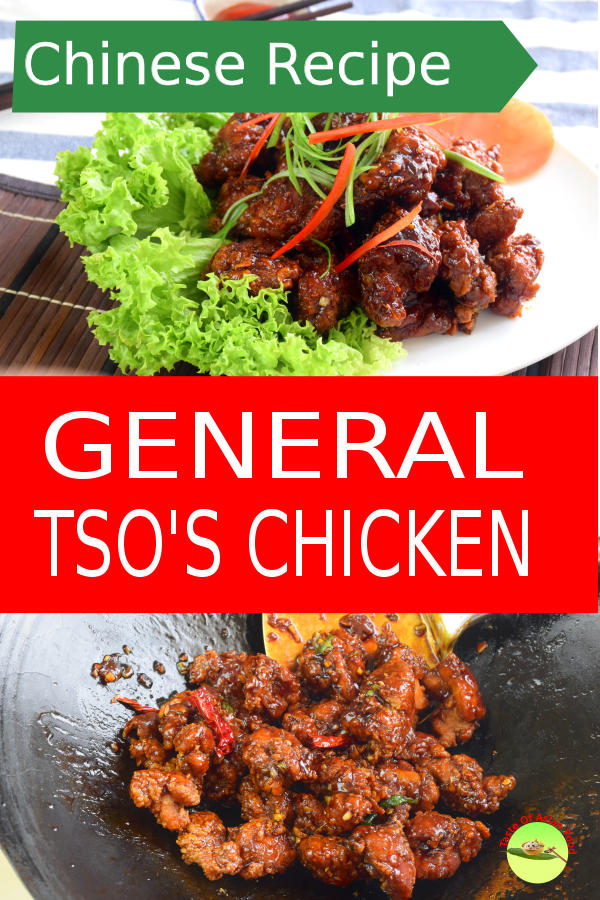
General Tso's Chicken
General Tso's chicken is the ultimate American Chinese cuisine.
Ingredients
Chicken & Marinade
- 1 egg white
- 1 tablespoons dark soy sauce
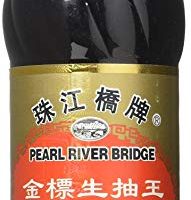
- 1 tablespoons light soy sauce
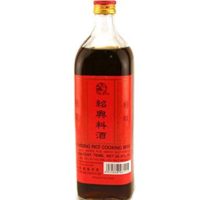
- 4 tablespoons Shaoxing wine
- 3 tablespoons corn starch
- 500 g (1.1 pounds) chicken thighs, boneless, skin-on, cut into 4cm chunks
Dry Coating Mix
- 1/2 cup (50g) plain flour
- 1/2 cup (50g) corn starch
- 1/2 teaspoon baking soda
- 1/2 teaspoon salt
General Tso’s Sauce
- 1 1/2 tablespoons dark soy sauce
- 1 1/2 tablespoons light soy sauce
- 2 tablespoons Shaoxing wine
- 2 tablespoons white vinegar
- 3 tablespoons water
- 4 tablespoons sugar
- 1 teaspoon sesame oil
- 2 teaspoons tomato paste
- 1 tablespoon corn starch
Aromatics for sauteeing
- 2 tablespoons vegetable oil
- 2 teaspoons chopped garlic, , minced
- 2 teaspoons ginger, , minced
- 2 teaspoons scallion, , cut
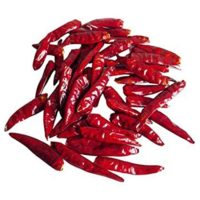
- 8 dry red chili
For deep-frying:
- High smoke-point oil (peanut, corn, palm, or canola)
Instructions
1. Marinate the Chicken
- Pat the chicken chunks dry and place them in a large bowl.
- Add egg whites, both soy sauces, Shaoxing wine, and cornstarch. Mix until evenly coated.
Cover and marinate:
- Minimum: 1 hour
- Best: Overnight (refrigerated)
2. Prepare the Dry Coating
- In a bowl, combine flour, cornstarch, salt, and baking powder.
- Drain excess marinade from the chicken, then toss generously in the flour mix.
- Shake off excess flour and fry immediately.
3. Deep-Fry Until Crispy
- Heat oil to 175°C / 350°F.
- Fry chicken in batches for about 4 minutes, until golden and crisp.
- Remove and drain on a rack or paper towels.
Tip: Do not overcrowd. Temperature control is key — never let the oil smoke.
4. Prepare the Sauce
- Combine all sauce ingredients in a small bowl.
- Bring to a boil briefly to dissolve the sugar and activate the cornstarch.
You can batch this sauce and freeze it in portions.
5. Toss with Aromatics and Sauce
- Heat 1 tbsp oil in a wok or pan over medium heat.
- Sauté ginger, garlic, scallion, and dried chilies until fragrant (15–30 seconds).
- Add the measured sauce. It will boil almost immediately.
- Add fried chicken and toss quickly until the sauce clings and disappears.
- Remove from heat and serve at once.
Recommended Products
As an Amazon Associate and member of other affiliate programs, I earn from qualifying purchases.
Nutrition Information:
Yield: 3 Serving Size: 1Amount Per Serving: Calories: 2317Total Fat: 129gSaturated Fat: 37gTrans Fat: 1gUnsaturated Fat: 68gCholesterol: 482mgSodium: 7816mgCarbohydrates: 144gFiber: 8gSugar: 32gProtein: 141g
Serving Suggestions
- Best served with steamed white rice
- Pair with:
- Chinese broccoli (gai lan) with oyster sauce
- Stir-fried bok choy
- Garnish with:
- Shredded scallions
- Chopped red chilies
- Toasted sesame seeds (optional)
Troubleshooting / FAQ
Why isn’t my chicken crispy after being tossed with the sauce?
Your sauce is too diluted. This recipe relies on concentration, not thickening the slurry.
Can I use chicken breast?
You can, but it will be drier and less forgiving. Thighs are strongly recommended.
Is this supposed to be very sweet?
No. This version is intentionally less sweet and more savory than many American take-out versions.
Can I skip dried chilies?
Yes. The dish will still be flavorful without heat.
A Note on Authenticity
- General Tso’s Chicken is not commonly served in China.
- It was popularized by Chef C.K. Peng, a Hunan-born Taiwanese chef who later brought the dish to New York, adapting it to American tastes.
- There is no single “authentic” version, only versions that make sense on the plate. This is my interpretation, shaped by research, restaurant testing, and customer feedback.
Related Recipes You May Enjoy
- Sesame Chicken – similar frying technique, nutty sweetness
- Kung Pao Chicken – drier, bolder, chili-forward
- Chinese Lemon Chicken – crisp coating with bright citrus sauce
Final Thoughts
I’ve shared everything behind the scenes: no shortcuts, no secrets held back.
If anything is unclear, leave a comment. I actively refine my recipes based on real questions from real kitchens.
Enjoy your General Tso’s Chicken — freshly fried, properly sauced, and proudly homemade.
Hallo, KP KWAN,
Many thanks your swift reply!
Your suggestion is highly appreciated.
Will try
Best regards
You are welcome. All the best!
Dear Mr. Kwan
in general, all recipes seen refer as ingredients to approx. 1-2 servings.
How to proceed if I will expect 5-6 guest at the table?
I know it is not just simply to multiple the ingredients quantity to desired number of people, but bearing in mind quantity to be e.g. fryied to be not that much to cool the oil for stir fry, etc.
Any suggestions/advices how to proceed when needing to cook one and the same particular dish, but for meeting 5-6 guests?
Best regards and thank your time
Hi Ivan,
In general, most of the recipes in one or two servings can be converted to a larger amount without much modification. Indeed, there are a few areas that need to pay attention to. Here are some of my suggestions:
1. Stew/braise/boil: No adjustment required.
2. Stir-frying: Stir fry in small batches. It needs high heat to create the wok aroma, and most of the stove at home is not powerful enough to handle large amounts at any time. The temperature will quickly drop once we add a large amount of ingredients, so it is better to fry in batches.
3. Deep-frying: Deep-fry in small batches if you are using the stove. The reason is the same as stir-frying. And an additional benefit is you can use less oil if you deep-fried in small batches. Once you have finished a batch, place a kitchen paper towel on a wire mesh strainer and pour the oil through it. The oil will become clean, and you can use it to deep-fried the subsequent batches.
4. For General Tso’s chicken, you can deep-fry the chicken in advance, and only add the sauce to it the last minute when your guest arrives. This way will prevent the chicken from turning soggy.
I hope this info is helpful.
Happy cooking.
KP Kwan
Many thanks Kwan!
All well noted.
Meanwhile, many businessman can learn from you not only cooking, but also
how to respect people’s incoming mail and respond without any delay…I am since 30 years in the insurance world and your attitude in this respect is remarkable!
Keep walking!
Hi Ivan,
Thank you. It is my duty to respond and answer. I will definitely keep going.
KP Kwan
Hi, Mr. Kwan,
I am a fan of you, based in Bulgaria (south-east Europe)
I find this recipe very seductive and will try it definitely. Can Japanese MIRIN rice wine be substitute for your wine?
I already tried your “hot and sour soup in 4 easy steps” and result was fantastic- everyone likes it. In our region we eat/use hot chilies quite often!
Thank you for providing such great expertise in popular and understandable way!
Mr. Ivan Donchev- the Chef in the family:)
Hi Ivan,
You can use mirin I think is a good idea. You can also use sherry as a substitute for Chinese wine. Enjoy!
Thanks,
KP Kwan
Thank you for your reply, Kwan
Some recipes for this dish are calling for double fry for enhanced crispiness, what do you think?
Regards
Hi Ivan,
The double fry method will create a very crispy surface. You can use that method if you are looking for extra crispy chicken.
I double fry the chicken for another dish called Taiwanese salt and pepper chicken, as there is no gravy involved, and the crispiness will stay for quite a long time. But for general Tso’s chicken, it is doused in a sauce after frying and will soften it a bit. So I think it will not achieve the extra crispiness texture.
You can read the article at https://tasteasianfood.com/mystaging/taiwanese-salt-and-pepper-chicken/
I have an explanation under the title “Part 3: Fried the chicken” in that article.
KP Kwan
What type of gluten free flour would you recommend for this dish?
Thanks
You may use cornstarch to substitute the flour in the recipe. You will, however, find that it will become more crispy after frying.
hi, mr.kwan.
i would like to try this recipe. i become a bit discouraged when i see kilos and grams.
i would appreciate it if you would put measurements in pounds/ ounces/cups(1/2 cups, etc.)/ tablespoons/teaspoons, etc. next to the gram measurements. it would make following your recipes very enjoyable.
thank you for your easily comprehensible recipes.
Hi Marilyn,
Thanks for your feedback. I have added the cups/tbsp etc into the article. Hope that is much easier for you to follow now.
Since each ingredient has different density, it turns out there’s no standard conversion. For example, 5g of sugar is about 1 tsp, but 5g of cornstarch is far more than that.
The reason for me to use grammage is because that’s the most accurate measurement. However, you can convert all the ingredients by using the following conversion service :
https://m.convert-me.com/en/convert/cooking/
Hope this is useful to you.
KP Kwan
Hi, this is KP Kwan. I am happy to see you in this comment area, as you have read through my recipe. I am pleased to reply to any questions and comments as soon as possible.