

When people hear the words “butter chicken,” they most immediately think of the well-known Indian version with its rich tomato-based sauce and aromatic spices. However, Malaysia has its own interpretation of butter chicken, known in Chinese as 奶油鸡 (nai yau gai), which means creamy chicken.
Today, I am making my Malaysian-style butter chicken for my family’s dinner. Unlike the Indian version, this dish does not use a tomato-based sauce. Instead, the creamy sauce is made with evaporated milk, butter, curry leaves, chili padi, garlic, and black pepper, creating a flavor profile that reflects Malaysian home cooking.
Although the English name contains the word “butter,” butter is not the main source of the creaminess. The familiar creamy texture actually comes from evaporated milk, while the butter helps bring out the aroma of the garlic, curry leaves, and chili.
For me, the most important thing is creating a dish that people enjoy eating. The combination of creamy sauce, fragrant curry leaves, fresh chili aroma, and peppery flavor makes this Malaysian butter chicken a comforting home-cooked meal that is quite different from the version many people may already know.
Content
Note: Click any item to jump straight to that part of the post.
Note: This post may contain affiliate links. Please read my privacy policy for more info. I may receive commissions for purchases made through links in this post. As an Amazon Associate, I earn from qualifying purchases.
Why This Recipe Works
- Malaysian-style flavor – Unlike the familiar Indian version of butter chicken, this recipe uses curry leaves, chili padi, evaporated milk, garlic, and black pepper to create a flavor profile that reflects Malaysian home cooking.
- Creamy but balanced sauce – Evaporated milk gives the sauce its creamy texture, while the curry leaves, chili, garlic, and black pepper add fragrance and depth without making the dish feel too heavy.
- Tender chicken texture – Chicken thigh meat stays juicy and tender during cooking because its higher fat content helps prevent it from drying out.
- Quick and practical for home cooking – The chicken only needs a short marinating time, and the sauce comes together quickly once the ingredients are prepared, making this a convenient meal for busy days.
- Easy to customize – You can adjust the level of spiciness according to your preference, and the creamy sauce can also be adapted for other proteins such as seafood.
Ingredients Breakdown
- Chicken thigh – I prefer using boneless and skinless chicken thighs because they stay tender and juicy during cooking. The slightly higher fat content also makes it more forgiving compared with chicken breast.
- Curry leaves – These provide the distinctive fragrance that gives this Malaysian butter chicken its signature aroma and character.
- Chili padi – Bird’s eye chili provides both heat and a fresh chili aroma. Removing the seeds reduces the spiciness while keeping the chili flavor.
- Evaporated milk – This is the key ingredient that creates the creamy sauce texture while giving the dish its familiar Malaysian-style taste.
- Fresh garlic – Roughly chopped garlic adds a stronger aroma and a little texture compared with finely minced garlic.
- Black pepper – Black pepper is one of the main flavors in this sauce. Freshly ground pepper gives a stronger aroma and a more noticeable peppery taste.
- Unsalted butter – Butter adds richness and helps bring out the fragrance of the garlic, curry leaves, and chili.
- Maggi seasoning – A common Malaysian seasoning that enhances the savory umami taste of the sauce.
- Parmesan cheese powder – Optional, but a small amount adds extra depth to the sauce without making it taste like a cheese-based cream sauce.

How to Prepare Everything Before Cooking
Before you start cooking, it is worth getting everything prepared because this dish comes together quickly once the pan is hot.
- Start with the chicken. I prefer using boneless and skinless chicken thigh meat because it stays tender and juicy after cooking. Cut the chicken into bite-sized pieces so the marinade coats each piece evenly and the chicken cooks at the same rate.
- Marinate the chicken with salt, white pepper, light soy sauce, and cornstarch. The cornstarch helps create a smoother coating and keeps the chicken tender during cooking. Since the chicken pieces are small, a short marinating time of 20 to 30 minutes is sufficient.
- While the chicken is marinating, prepare the aromatics. Fresh curry leaves are always my first choice because they have a stronger fragrance, but frozen curry leaves can also be used if fresh ones are unavailable.
- Slice the chili padi into thin rings. If you prefer less heat, remove the seeds and some of the inner membrane instead of simply reducing the amount of chili. This helps lower the spiciness while keeping the fresh chili aroma.
- Prepare the garlic by roughly chopping it instead of mincing it finely. I prefer larger pieces because they add a little texture and remain noticeable in the finished sauce.
- For the black pepper, freshly ground pepper is always recommended. It has a stronger aroma compared with pre-ground pepper and makes a noticeable difference in the finished dish.
- Once everything is prepared, the cooking process moves quickly. Stir-fry the chicken, prepare the creamy butter sauce, then return the chicken to the pan and simmer until the sauce coats every piece.
The full ingredient quantities are listed in the recipe card below.
Step-by-Step Cooking Instructions
1. Cook the marinated chicken until nearly done
Heat some vegetable oil in a pan over medium heat. For extra richness, you can use a mixture of vegetable oil and butter.
Cook the marinated chicken until it is almost cooked through while keeping the texture tender. Avoid overcooking the chicken at this stage because it will continue cooking later when it is simmered in the sauce.
Once the chicken is nearly cooked, remove it from the pan and set it aside.
2. Prepare the creamy butter sauce
Place the pan back on the stove and melt the unsalted butter over low heat.
Add the garlic, curry leaves, and chili padi. Keep the heat low because butter and garlic can burn easily. Slowly sauté until the ingredients become fragrant and the aroma of the curry leaves and garlic is released.
Add the evaporated milk, freshly ground black pepper, and sugar. Increase the heat slightly until the sauce reaches a gentle boil.
The sugar is optional if you prefer to reduce sugar intake, but a small amount helps balance the savory and spicy flavors.
3. Return the chicken and finish the dish
Return the cooked chicken to the pan and mix well with the creamy sauce.
Reduce the heat and allow everything to simmer gently. This allows the chicken to absorb the flavors while the sauce thickens and coats each piece evenly.
Stir in the Maggi seasoning and continue cooking until the sauce reaches your preferred consistency.
Finally, add a small amount of Parmesan cheese powder and stir briefly until it blends into the sauce. Use it sparingly because the cheese should enhance the flavor without changing the character of the Malaysian-style creamy chicken.
Once the sauce has thickened and the chicken is well coated, transfer the Malaysian butter chicken to a serving plate and serve hot.
A Few Tips From My Kitchen
Make Use of the Chicken Marinating Time
One simple way to make cooking easier is to prepare the other ingredients while the chicken is marinating.
While the chicken absorbs the seasoning, prepare the curry leaves, chili padi, garlic, and sauce ingredients. This makes the cooking process smoother because everything is ready before the pan gets hot.
Why I Prefer Chicken Thigh
I prefer chicken thigh meat because it stays softer and more forgiving during cooking.
You can use chicken breast if you prefer a leaner option, but take extra care not to overcook it. Since breast meat contains less fat, it can dry more quickly.
Adjust the Spiciness Without Losing Flavor
For this dish, I prefer keeping the chili aroma while controlling the level of heat.
Instead of simply reducing the amount of chili padi, try removing the seeds and some of the inner membrane. This lowers the spiciness while keeping the fresh chili flavor.
Why Evaporated Milk Works Best
The choice of milk affects the final taste and texture of this dish.
Fresh milk can be used if evaporated milk is unavailable, but the sauce may need a longer simmering time to reduce and concentrate the flavor.
For a taste closer to the Malaysian-style butter chicken, evaporated milk gives the best result.
Use Freshly Ground Black Pepper
Black pepper is one of the main flavors in this sauce, rather than just a background seasoning.
I always recommend grinding black pepper fresh because the aroma is much stronger and creates a more noticeable peppery flavor compared with pre-ground pepper.
Common Mistakes to Avoid
Overcooking the Chicken
Avoid cooking the chicken for too long, especially if using chicken breast as a substitute. Chicken thigh is more forgiving, but it can still lose its texture if overcooked.
Using High Heat with Butter and Garlic
Butter and garlic can burn easily over high heat. Keep the heat low when sautéing the aromatics so they release their fragrance without becoming bitter.
Adding Too Much Parmesan
Parmesan is only used as a flavor enhancer in this recipe. Adding too much can change the character of the dish and turn it into a cheese-based cream sauce rather than Malaysian-style creamy chicken.
Reducing Chili Without Considering the Flavor
If you want less heat, remove the seeds and some of the inner membrane rather than simply reducing the amount of chili padi. This helps maintain the fresh chili aroma while lowering the spiciness.

Variations
Using Seafood Instead of Chicken
The creamy butter sauce also works well with seafood such as squid or shrimp. The combination of curry leaves, chili padi, and black pepper pairs nicely with seafood, creating another variation while keeping the Malaysian character of the dish.
Adjusting the Spiciness
For a milder version, remove more chili seeds and inner membrane or reduce the amount of chili padi according to your preference. This allows you to control the heat while keeping the fresh chili aroma.
Using Fresh Milk Instead of Evaporated Milk
Fresh milk works if evaporated milk is unavailable, but the final result will be slightly different. The sauce may need a longer simmering time to reduce and concentrate the flavor.
For a taste closer to the Malaysian-style butter chicken, evaporated milk remains the better choice.
More Recipes to Try
- Indian Style Butter Chicken – Try the Indian-style Butter Chicken, where traditional Indian spices are cooked into a rich, thick gravy.
- General Tso Chicken -General Tso Chicken is another chicken recipe that I often recommend. It was one of the most popular dishes among customers when I was running my restaurant, and it remains one of my favorite chicken dishes to prepare.
Quick Takeaways
The key to making this Malaysian butter chicken well comes down to a few simple techniques: use chicken that stays juicy, cook the aromatics gently, choose evaporated milk for the right creamy texture, and avoid overcooking the chicken.
For me, the most important part is not whether we call it butter chicken or 奶油鸡. What matters is creating a dish with a creamy sauce, fragrant curry leaves, fresh chili aroma, and a peppery flavor that everyone at home can enjoy.
This is the kind of comforting Malaysian home-cooked dish that brings together familiar ingredients in a way that feels both unique and satisfying.
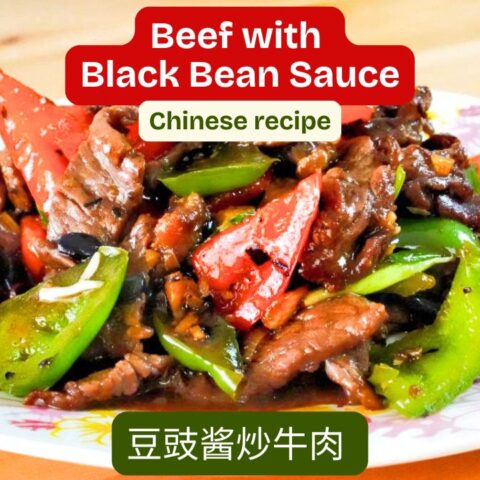
Beef with Black Bean Sauce
You can make the beef and black sauce stir-fry within thirty minutes. The fermented black beans are flavorful and best served with white rice.
Ingredients
Ingredient A
- 350g beef
- 2 tsp light soy sauce
- 1/2 tsp salt
- 1/2 tsp baking soda
- 1 tsp cornstarch
Ingredients B
- 2 tsp minced ginger
- 1 tbsp minced garlic
- 3 tbsp vegetable oil
- 1/2 green bell pepper
- 1/2 red bell pepper
- 1 medium-sized onion
- 1 tsp sesame oil
- 1 tbsp rice wine
- 1 tsp of cornstarch (plus 1 tbsp of water to make a slurry)
Ingredients C
- 1.5 tbsp black bean sauce
- 1 tbsp light soy sauce
- 1 tbsp oyster sauce
- 1/4 tsp ground black pepper
- 3 tbsp water
Instructions
- Cut the beef across the grain into thin slices.
- Marinate the beef with Ingredient A for 15 minutes.
- Cut the spring onion into short sections, about 1 inch in length.
- Cut the green bell pepper into one-inch pieces.
- Slice one medium size onion into wedges.
- Mix Ingredients C (except the black bean) to become the stir-fry sauce.
- Heat the vegetable oil to medium-high heat, then add the marinated beef and spread it out into a single layer.
- Let the beef sear for half a minute, then flip over to sear the other side until slightly brown.
- Continue to stir-fry the beef until about 80% cooked. Then remove the beef from the wok with a strainer, and leave excess oil in the wok.
- Saute the chopped garlic and ginger with the remaining oil in the wok.
- Add the black bean sauce and the stir-fry sauce to the wok, then put all the vegetables into the wok. Turn up the heat to stir-fry the vegetable until crisp-tender. You can add a splash of water if it is too dry.
- Return the beef to the wok.
- Add the cornstarch slurry to thicken the gravy.
- Add the spring onion, a teaspoon of sesame oil, and a tablespoon of Shaoxing wine. Dish out.
Preparation
Cooking
Recommended Products
As an Amazon Associate and member of other affiliate programs, I earn from qualifying purchases.
-
 Lodge 14 Inch Cast Iron Wok. Pre-Seasoned Wok with Flattened Bottom for Asian Stir Fry and Sautees
 -
![HTTMT- Outdoor 10KW/34000 BTU Power Caming Portable Propane Gas Burner Stove w/ hose Jumbo Super Supergas Camp Camping Tailgating Gas Fire [P/N: ET-COOK008-RAW]](https://tasteasianfood.com/mystaging/wp-content/uploads/2026/08/41oIZO1uKFS._SL500_.jpg) HTTMT- Outdoor 10KW/34000 BTU Power Caming Portable Propane Gas Burner Stove w/ hose Jumbo Super Supergas Camp Camping Tailgating Gas Fire [P/N: ET-COOK008-RAW]
HTTMT- Outdoor 10KW/34000 BTU Power Caming Portable Propane Gas Burner Stove w/ hose Jumbo Super Supergas Camp Camping Tailgating Gas Fire [P/N: ET-COOK008-RAW] -
 Cuisinart CTG-00-3MS Set of 3 Fine Mesh Stainless Steel Strainers
 -
 Lee Kum Kee Black Bean Garlic Sauce - 8 oz.
Nutrition Information:
Yield: 3 Serving Size: 1Amount Per Serving: Calories: 534Total Fat: 39gSaturated Fat: 10gUnsaturated Fat: 29gCholesterol: 102mgSodium: 755mgCarbohydrates: 12gFiber: 2gSugar: 3gProtein: 33g
This data was provided and calculated by Nutritionix on 04/01/2023