
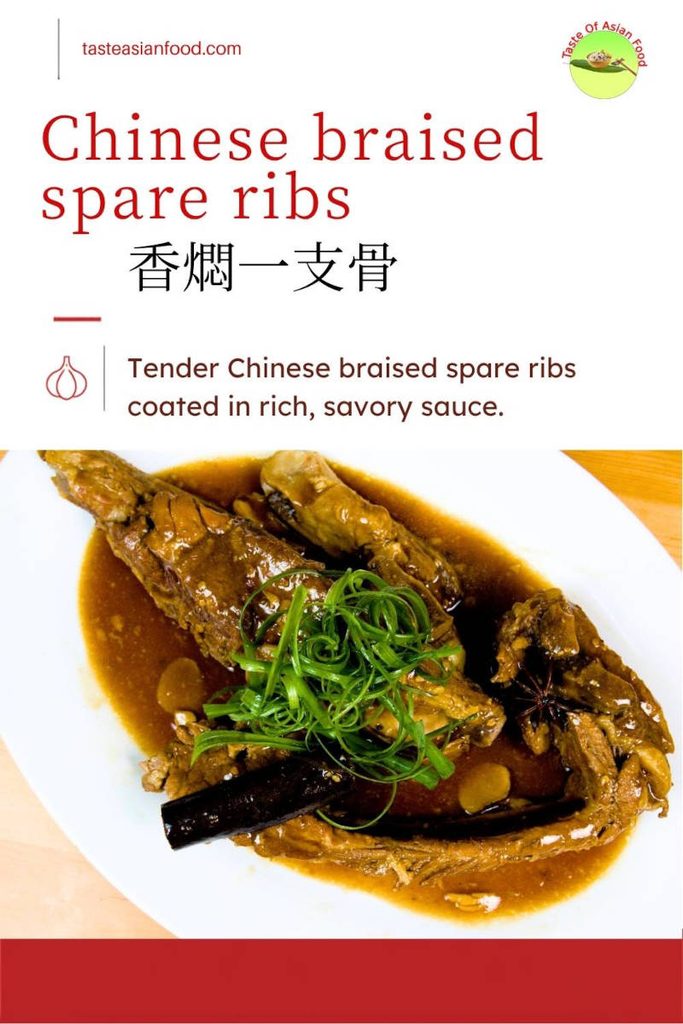
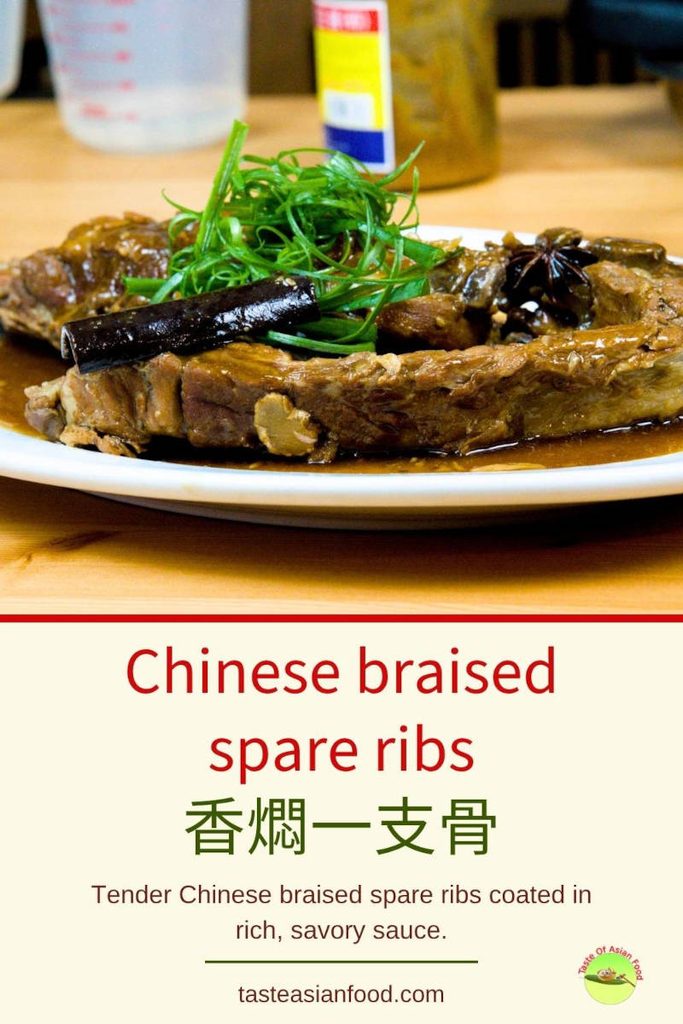
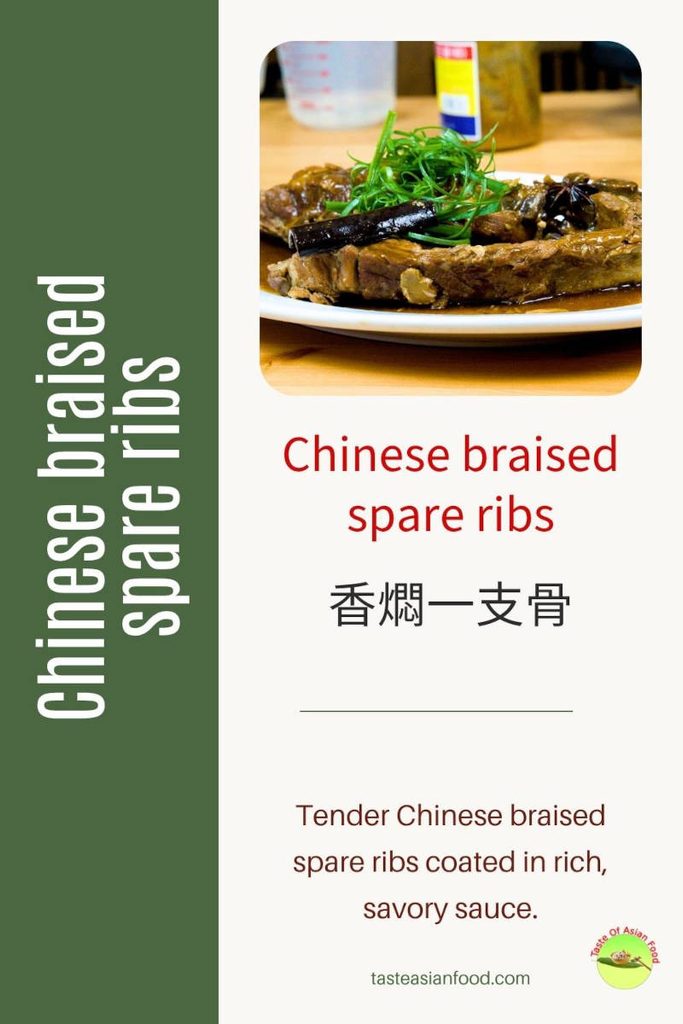
Chinese braised spare ribs (香燜一支骨) are one of my favorite ways to prepare pork ribs. The meat is slowly braised with fermented soybean paste, ginger, garlic, star anise, cinnamon, and traditional Chinese seasonings until tender.
I prefer to keep the ribs as a whole rack instead of cutting them into individual pieces. They look impressive when served, especially after being coated with a glossy, savory sauce.
Here is my Chinese spare ribs recipe, along with a few practical tips from my latest cooking session.
Content
Note: Click any item to jump straight to that part of the post.
Note: This post may contain affiliate links. Please read my privacy policy for more info. I may receive commissions for purchases made through links in this post. As an Amazon Associate, I earn from qualifying purchases.
Why This Recipe Works
- Rich savory flavor – Fermented soybean paste gives the braising sauce its distinctive taste, while the aromatics and Chinese spices provide the familiar fragrance of Chinese braised dishes.
- Simple preparation – There is no need to marinate or sear the ribs, which saves time and makes the recipe easier to prepare.
- Mostly hands-off cooking – Although the ribs take approximately two hours to braise, very little active cooking is required. You only need to turn them occasionally and check the liquid level.
- Tender meat – Gentle braising softens the meat until it separates easily from the bone, while the whole rack remains intact for serving.
- Light, glossy sauce – A little cornstarch slurry gives the sauce just enough body to coat the ribs without becoming thick and starchy.
Ingredients Breakdown
- Main ingredient – I use a whole rack of meaty pork spare ribs, about 600 g, rather than cutting them into individual pieces.
- Aromatics and spices – Ginger, garlic, scallions, star anise, and cinnamon provide the characteristic fragrance of Chinese braised dishes. Vegetable oil is used to sauté these ingredients and the fermented soybean paste.
- Sauces and seasonings – Fermented soybean paste is the main savory seasoning, supported by light soy sauce, oyster sauce, and Shaoxing wine. Rock sugar balances the saltiness, but regular white sugar can also be used.
- Finishing sesame oil – I prefer adding sesame oil near the end of cooking to preserve its distinctive fragrance.
- Thickening and garnish – Cornstarch slurry gives the sauce a light, glossy consistency, while thinly sliced scallion curls provide a simple garnish.
How to Prepare Everything Before Cooking
Prepare the pork ribs. Keep the whole rack intact and make sure your wok or pot is large enough to accommodate it comfortably. There is no need to marinate the ribs before cooking.
Prepare the aromatics. Slice the ginger, lightly crush the garlic cloves, and cut the scallions into sections. Have the star anise and cinnamon stick ready.
Measure the braising seasonings. Prepare the fermented soybean paste, light soy sauce, oyster sauce, Shaoxing wine, and rock sugar. Measure 800 ml of water for the braising liquid.
Prepare the cornstarch slurry. Mix one tablespoon of cornstarch with one tablespoon of water until smooth. You may not need all of it, depending on how much braising liquid remains after cooking.
Prepare the scallion garnish. Cut the green parts of the scallions lengthwise into very thin strips. Place them in cold water and refrigerate until they curl naturally. Keep them chilled until you are ready to garnish the ribs.
The complete ingredient quantities and measurements are provided in the recipe card below.
Step-by-Step Cooking Instructions
1. Blanch the pork ribs
Place the whole rack of pork spare ribs in a large pot and add enough cold water to cover it.
Bring the water to a boil, then simmer for another 3–5 minutes. You will notice some grayish foam forming on the surface, mainly from blood residue and proteins released from the meat.
Remove the ribs, rinse off any foam clinging to the surface, and drain well. Discard the blanching water.
2. Sauté the aromatics and prepare the braising liquid
Heat one tablespoon of vegetable oil in a large skillet or braising pot over medium-low heat.
Add the sliced ginger, lightly crushed garlic, scallions, star anise, and cinnamon stick. Sauté for approximately 1–2 minutes until fragrant.
Next, add two tablespoons of fermented soybean paste and stir-fry for another 30–60 seconds. Briefly frying the paste in oil brings out its aroma before adding the liquid. Be careful not to burn it.
Pour in the Shaoxing wine and stir to loosen any paste sticking to the bottom of the pot.
Add the light soy sauce, oyster sauce, and 15 g of rock sugar. Pour in 800 ml of water, stir well, and bring the braising liquid to a gentle boil.
3. Braise the pork ribs until tender
Place the blanched spare ribs into the braising liquid. The liquid should reach at least halfway up the ribs. Add a little more water if necessary, depending on the size of your pot.
Cover with a lid and reduce the heat to maintain a very gentle simmer.
Braise the ribs for approximately two hours, turning them every 30–40 minutes so both sides cook evenly.
The actual cooking time depends on the thickness of the ribs, the quality of the pork, and the heat. I suggest checking the tenderness after about 90 minutes.
Insert a skewer into the thickest part of the meat. It should slide in easily when the ribs are tender. The meat should separate easily from the bone when eaten, but the whole rack should still hold together when lifted.
Check the liquid level occasionally. If it becomes too low, add a little hot water to prevent the braising liquid from drying out.
4. Thicken the sauce and coat the ribs
Once the ribs are tender, carefully remove the whole rack from the braising liquid.
Remove most of the softened scallions and some of the ginger. You can leave a few pieces of ginger and garlic, along with the star anise and cinnamon, for presentation.
Bring the braising liquid to a gentle boil.
Stir the prepared cornstarch slurry, then add it gradually while stirring continuously. You may not need to use all of it.
The sauce should be just thick enough to form a thin, glossy coating on the back of a metal spoon. If it runs off immediately, it is still too thin. If it clings in a thick, pasty layer, you have added too much cornstarch.
Taste the sauce and adjust the seasoning if necessary. Add one teaspoon of sesame oil and stir well.
Return the whole rack to the pan and carefully spoon the sauce over the ribs until they are evenly coated.
5. Garnish and serve
Transfer the glazed spare ribs to a large serving plate.
Remove the curled scallion strips from the cold water and place them on paper towels to absorb excess moisture.
Arrange the scallion curls over the ribs just before serving.
I like to leave a few pieces of the cooked ginger, garlic, cinnamon, and star anise on the plate for a rustic appearance. The whole spices are for presentation and are not meant to be eaten.
Serve the Chinese spare ribs hot with steamed white rice. The savory braising sauce goes particularly well with plain rice.
A Few Tips From My Kitchen
Searing is unnecessary
When revising this recipe, I considered searing the ribs after blanching to develop additional flavor. However, I decided to skip it. Although searing adds some roasted flavor, the fermented soybean paste, aromatics, and Chinese spices already provide plenty of flavor during braising. Besides, browning a whole rack evenly can be troublesome, so leaving out this step makes the recipe easier.
Less braising water
My original recipe used 1,500 ml of water, but I reduced it to 800 ml in my latest test. I found that using less water keeps the braising liquid more concentrated without requiring as much reduction afterward. The important thing is to use a pot that accommodates the whole rack without needing excessive water.
Add sesame oil last
I previously added sesame oil with the other braising seasonings, but now I prefer adding it near the end. Its distinctive fragrance is more noticeable when it isn’t subjected to prolonged cooking.
Rock sugar works well
I replaced regular sugar with 15 g of rock sugar. It is commonly used in Chinese braising and is traditionally associated with a glossy finish. However, the sauce consistency is just as important, regardless of which sugar you use.
Cold-water blanching
I prefer starting the ribs in cold water because it gives blood residue and soluble proteins more time to come out gradually as the water heats up. Starting with boiling water is also acceptable and saves a little time. In practice, the difference in the finished dish is relatively small.
Use hot water
When the braising liquid needs topping up, I use hot water from a flask instead of cold water. This prevents the temperature from dropping significantly and keeps the ribs simmering steadily.
A better presentation
Instead of simply pouring the sauce over the cooked ribs, I now return the whole rack to the pan to coat it evenly. I also prefer curled scallions over chopped scallions for the garnish. These small changes make the finished dish look more attractive without adding much work.
Common Mistakes to Avoid
Using too much water
Excess water dilutes the seasonings and may leave the sauce tasting weak. Use only enough water to keep the ribs at least halfway submerged, adding more if necessary.
Boiling too vigorously
The ribs should braise over very low heat. Rapid boiling causes the liquid to evaporate faster and may make the meat fall apart before serving.
Relying only on cooking time
Two hours is a useful guide, but the actual time depends on the thickness of the ribs and the heat. Check the tenderness rather than relying entirely on the clock.
Letting the liquid dry out
Some water will evaporate even with the lid covered. Check occasionally and top up with hot water if necessary to prevent the seasonings from burning at the bottom of the pot.
Adding too much cornstarch
Too much slurry makes the sauce thick and starchy. Add it gradually and stop when the sauce lightly coats the ribs.
Making the sauce too salty
Fermented soybean paste, light soy sauce, and oyster sauce already contain salt. Avoid reducing the braising liquid excessively, as the saltiness becomes more concentrated.
Variations
- Regular sugar instead of rock sugar – If you don’t have rock sugar, regular white sugar works just as well.
- Rustic or cleaner presentation – Leave a few cooked aromatics on the serving plate for a rustic appearance, or remove them all for a cleaner presentation.
- Adjust the sauce thickness – I prefer a thin, glossy coating, but you can make the sauce slightly thicker by adjusting the amount of cornstarch slurry.
More Recipes to Try
If you’re serving these Chinese braised spare ribs as part of a family meal, here are three dishes from my blog that go well with them.
1. Chinese Vegetables Stir-Fry with Garlic
A plate of Chinese vegetables stir-fried with garlic is a good way to balance the rich braising sauce. The vegetables provide a lighter contrast to the tender pork ribs.
2. Chinese Steamed Eggs (蒸水蛋)
Chinese steamed eggs have a soft, silky texture that contrasts nicely with the meaty ribs. It’s also a familiar home-style dish that fits naturally into a Chinese family meal.
3. Chinese Glass Noodle Stir-Fry
If you want something besides rice, try this Cantonese-style glass noodle stir-fry with vegetables, mushrooms, and dried shrimp. The springy noodles provide a different texture alongside the slow-braised pork.
Quick Takeaways
The key to Chinese spare ribs (香燜一支骨) is gentle braising until the meat is tender, followed by a thin, glossy sauce that coats the whole rack.
Give this recipe a try, and let me know how it turns out in the comments. I’d love to hear from you!

Chinese spare ribs recipe
This Chinese braised spare ribs recipe uses a whole rack of pork ribs, fermented soybean paste, ginger, and spices for tender meat and a savory, glossy sauce.
Ingredients
Main Ingredient
- 600 g meaty pork spare ribs, whole rack
Aromatics and Spices
- 1 tablespoon vegetable oil
- 15 g ginger, sliced
- 15 g garlic cloves, lightly crushed
- 2 stalks scallions (about 15 g), cut into sections
- 1 star anise
- 1 cinnamon stick (about 5 cm long)
Sauces and Seasonings
- 2 tablespoons fermented soybean paste
- 2 tablespoons light soy sauce
- 4 teaspoons oyster sauce
- 4 tablespoons Shaoxing wine
- 15 g rock sugar
- 800 ml water, plus more if needed
- 1 teaspoon sesame oil
Thickening and Garnish
- 1 tablespoon cornstarch
- 1 tablespoon water, for the slurry
- Scallion greens, thinly sliced into strips, for garnish
Instructions
- Blanch the ribs. Place the whole rack in a pot of cold water, enough to cover. Bring to a boil and simmer for another 3–5 minutes. Remove, rinse, and drain.
- Sauté the aromatics. Heat the vegetable oil over medium-low heat. Add the ginger, garlic, scallions, star anise, and cinnamon. Sauté for 1–2 minutes until fragrant.
- Prepare the braising liquid. Add the fermented soybean paste and stir for 30–60 seconds. Add the Shaoxing wine, light soy sauce, oyster sauce, rock sugar, and 800 ml water. Bring to a gentle boil.
- Braise the ribs. Add the ribs, cover, and simmer over very low heat for approximately 2 hours. Turn every 30–40 minutes, check tenderness after 90 minutes, and top up with hot water if necessary.
- Thicken the sauce. Remove the tender ribs and discard most of the softened scallions and some ginger. Bring the liquid to a gentle boil. Gradually add the cornstarch slurry until the sauce lightly coats the back of a spoon.
- Glaze the ribs. Adjust the seasoning if necessary, stir in the sesame oil, and return the ribs to the pan. Coat evenly with the sauce.
- Garnish and serve. Transfer the ribs to a serving plate. Garnish with curled scallion strips and serve hot with steamed white rice.
Recommended Products
As an Amazon Associate and member of other affiliate programs, I earn from qualifying purchases.



Nutrition Information:
Yield: 2 Serving Size: spare rib (600g)Amount Per Serving: Calories: 1158Total Fat: 81gSaturated Fat: 22gUnsaturated Fat: 58gCholesterol: 242mgSodium: 2203mgCarbohydrates: 54gFiber: 5gSugar: 35gProtein: 52g
This data was provided and calculated by Nutritionix on 10/17/2026
Byron
Can I use beef ribs instead of pork? Grandkids aren’t fund of pork.
Your recipes are excellent. I have tried a few. Thank you.
Yes, you can use beef ribs for this Chinese braised spare ribs recipe. The fermented soybean paste, ginger, garlic, star anise, cinnamon, and Shaoxing wine should work well with beef too.
Thank you very much KP. My family will be very happy when l make it in a day two.
Bless you for your efforts in cooking your excellent recipes.