
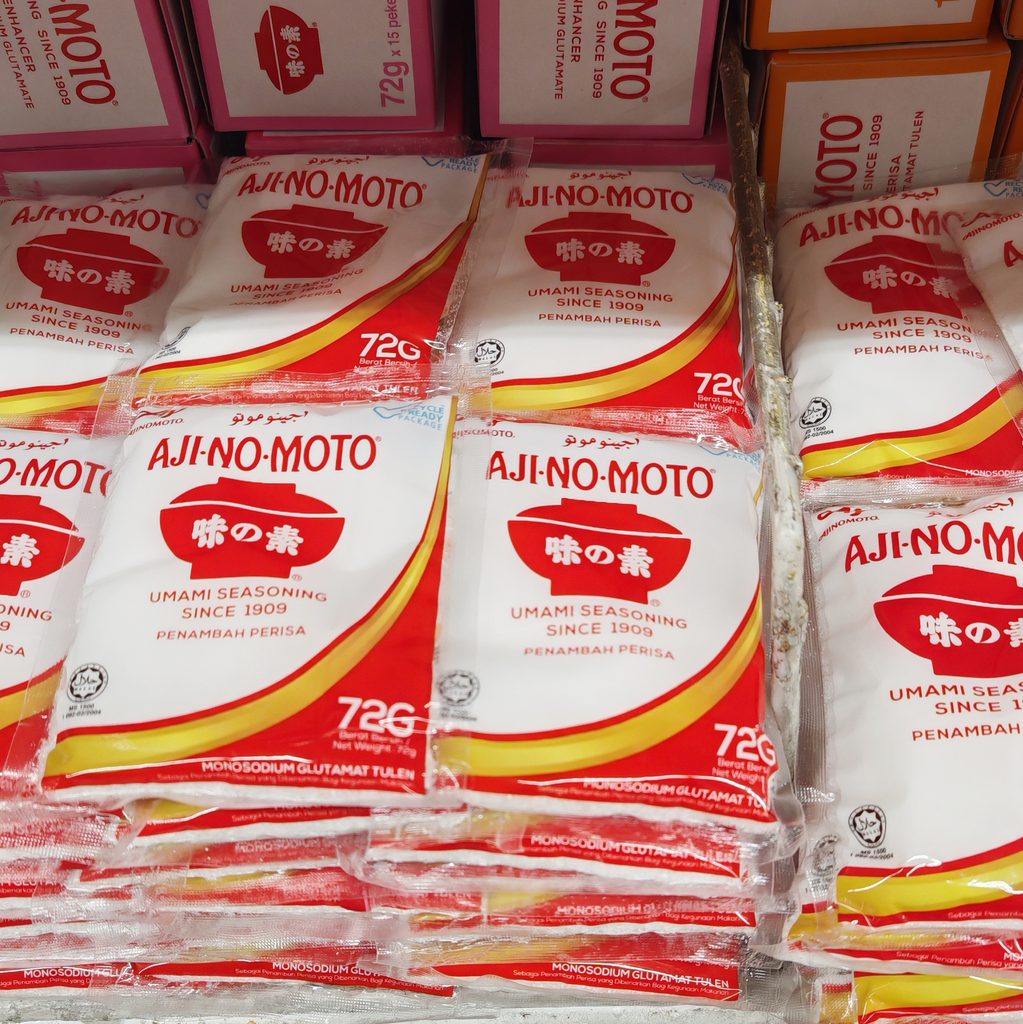
If you cook Chinese food, Asian food, or simply enjoy making tasty food at home, you have probably come across MSG.
Some people swear by it. Others avoid it completely.
You may have heard that MSG makes food taste better, but also that it can cause headaches, thirst, high blood pressure, and other health problems.
So what is actually true?
I wanted to look at MSG from a simple cook’s perspective. Not as a food scientist, but as someone who wants to understand what is really going into the food we eat.
Content
Note: Click any item to jump straight to that part of the post.
- Is MSG bad for you?
- What is MSG?
- Is glutamate naturally present in food?
- Who discovered MSG?
- What does MSG actually taste like?
- Why can some foods taste so savory without MSG?
- Is MSG the only flavor enhancer?
- What is E621?
- Is MSG the same as salt?
- Is MSG unhealthy?
- What about headaches?
- What about thirst?
- What about eating MSG regularly?
- So, should we be concerned about MSG?
Note: This post may contain affiliate links. Please read my privacy policy for more info. I may receive commissions for purchases made through links in this post. As an Amazon Associate, I earn from qualifying purchases.
Is MSG bad for you?
For most people, current scientific evidence does not show that normal culinary use of MSG causes serious health problems. Major food safety authorities, including the FDA, JECFA, and EFSA, have evaluated MSG and related glutamates.[1][2][3]
Some people report symptoms such as headaches or flushing after consuming MSG, but controlled studies have not established a consistent cause and effect relationship at normal dietary exposure.[1][4]
What is MSG?
MSG stands for monosodium glutamate. It is the sodium salt of glutamic acid and is mainly used as a flavor enhancer to provide umami, the savory taste that makes food taste fuller and more satisfying.[1][5]
Glutamate also occurs naturally in many foods. Based on current scientific evidence and assessments by major food safety authorities, normal culinary use of MSG has not been shown to cause serious health problems in the general population.[1][2][3]
Is glutamate naturally present in food?
Yes, absolutely.
Glutamate occurs naturally in many foods, including tomatoes, mushrooms, meat, fish, vegetables, soy sauce, and certain cheeses.[1][6]
It is also part of the protein in many foods we eat. When we digest protein, glutamate is released during digestion.[1]
There is an important distinction, however.
Natural glutamate is not the same thing as added MSG, but the glutamate molecule itself is the same.
A tomato contains naturally occurring glutamate. MSG provides glutamate in the form of a sodium salt.[1][6]
So our bodies do not have one special pathway for glutamate from tomatoes and another for glutamate from MSG.
Who discovered MSG?
This part of the story is fascinating.
In 1907, Japanese chemist Kikunae Ikeda, a professor at Tokyo Imperial University, began investigating why traditional Japanese broth made with kelp had such a distinctive savory taste.[5]
At the time, sweet, sour, salty, and bitter were recognized as the basic tastes. Ikeda suspected that kelp broth contained something responsible for another type of taste.
In 1908, he identified the salt of glutamic acid as the substance responsible for this distinctive taste and called it umami.[5]
Ikeda then developed a practical seasoning using the sodium salt of glutamic acid, which we now know as MSG. He patented the production method in 1908, and commercial production began the following year under the name AJI NO MOTO.[1][5]
So MSG did not begin as an attempt to create an artificial flavoring. Its discovery began with a traditional Japanese food, kelp broth.
What does MSG actually taste like?
MSG does not make food taste like chicken, beef, mushrooms, or any particular ingredient.
Instead, it provides umami, giving food a deeper and more savory character.[5]
Add MSG to chicken soup, for example, and it does not become MSG flavored chicken soup. The existing savory flavors may simply taste fuller and more rounded.
That is why MSG is classified as a flavor enhancer.[2]
And foods do not need added MSG to taste this way. Natural glutamate already provides umami in many foods.[5][6]
Why can some foods taste so savory without MSG?
Because nature already gives us plenty of umami.
Kombu, mushrooms, tomatoes, aged cheese, meat, and fermented foods can contain naturally occurring glutamate.[6]
There is another interesting part to this. Certain compounds called inosinate and guanylate can work together with glutamate and strengthen the perception of umami.[5]
This helps explain why combinations such as meat and mushrooms can taste particularly savory.
So when your grandmother made a delicious soup without ever using MSG, she was not missing anything. She was simply using ingredients that naturally contained umami compounds.
Is MSG the only flavor enhancer?
No.
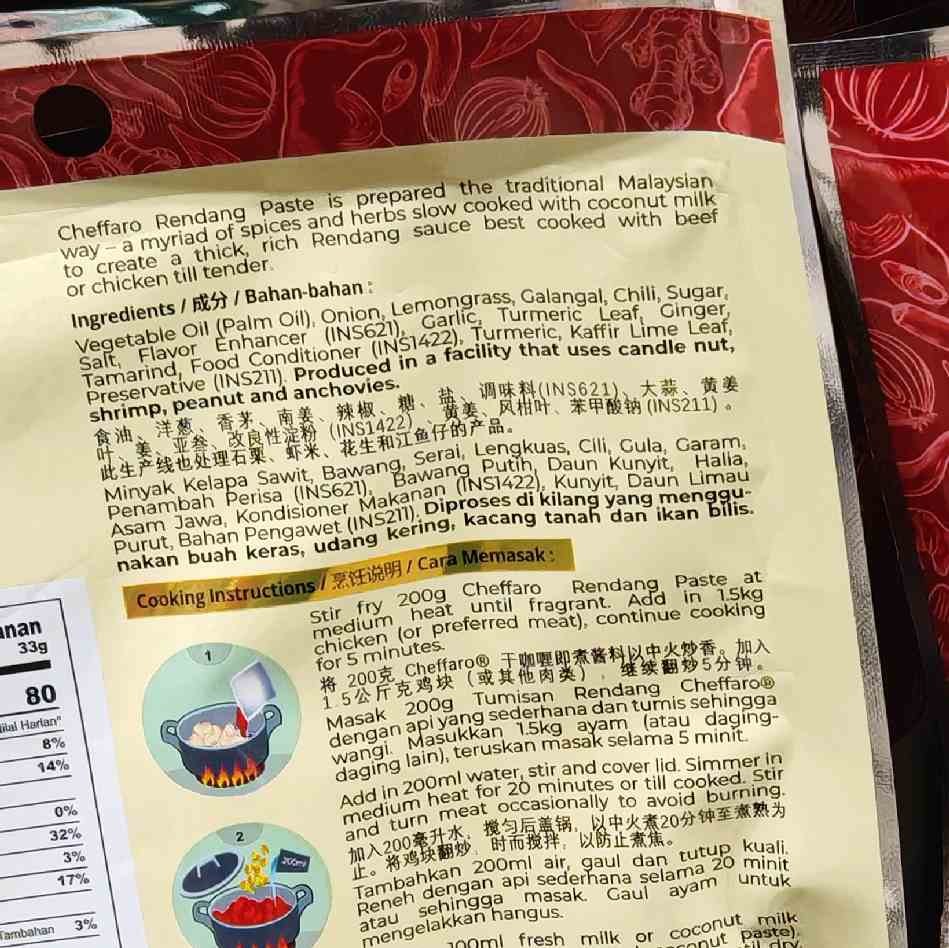
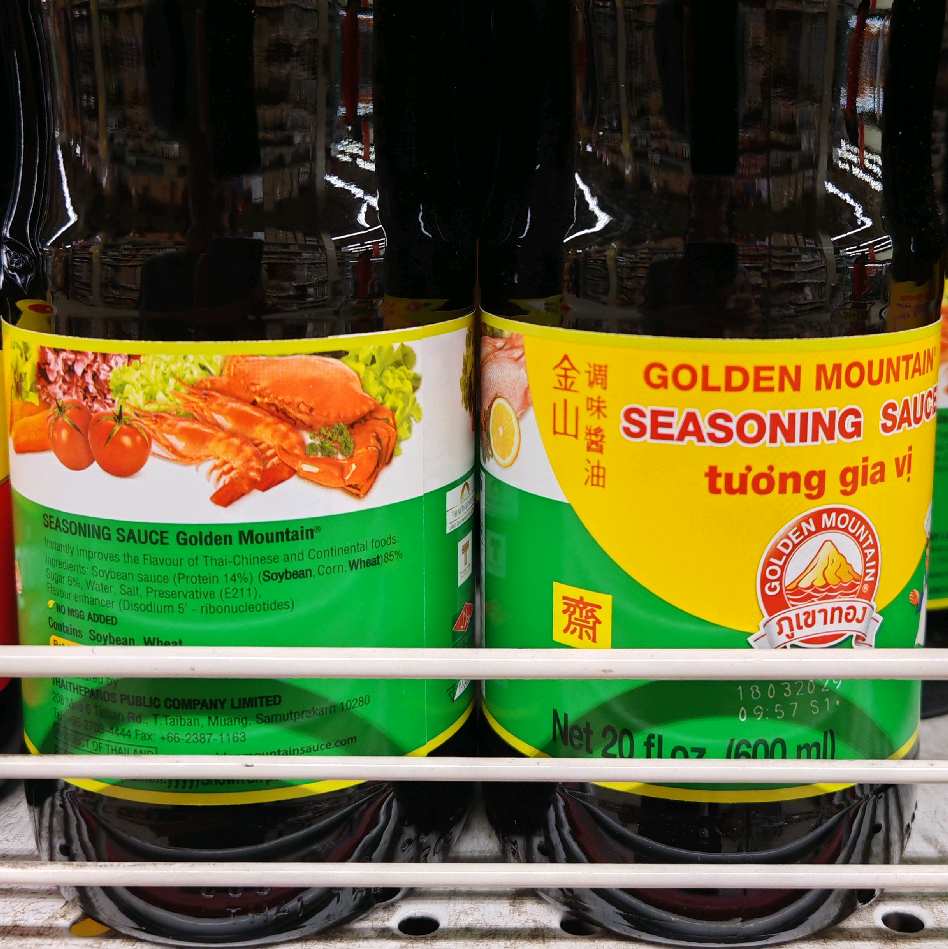
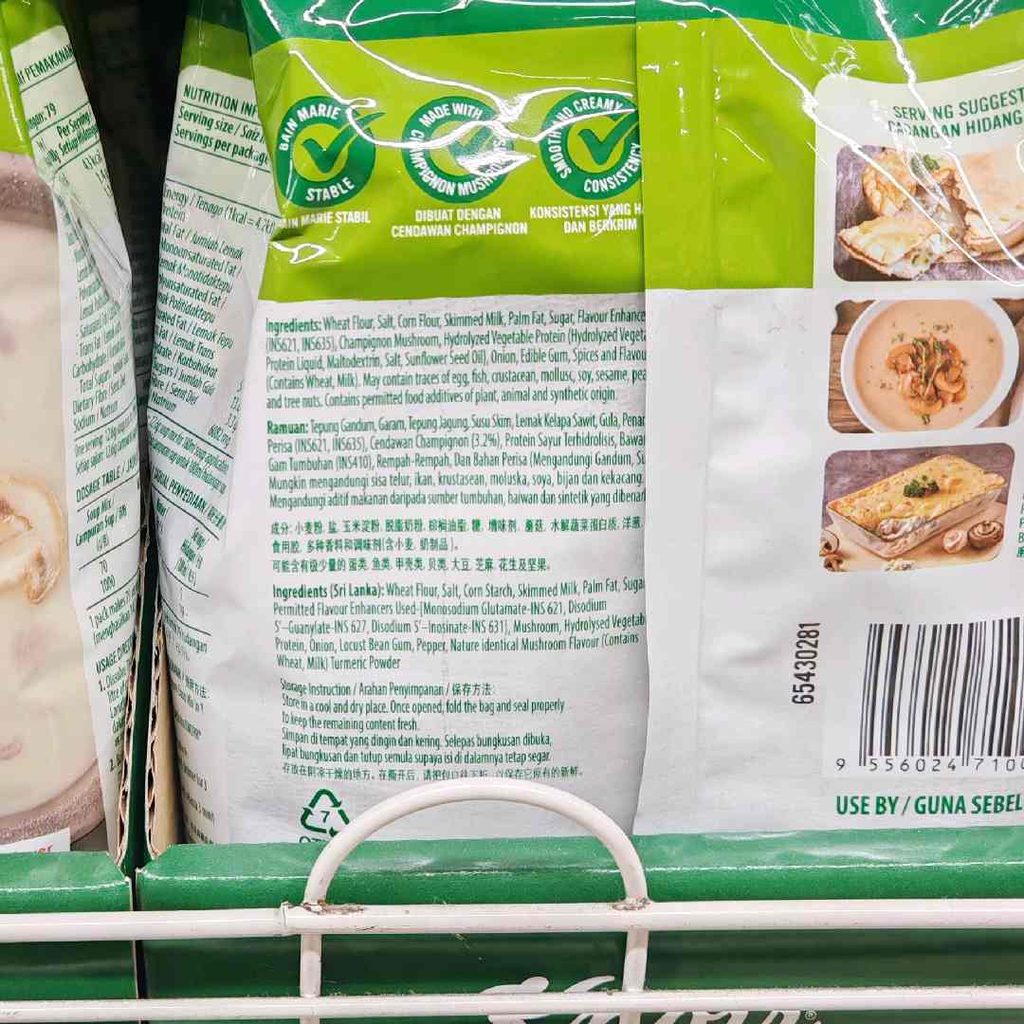
MSG is identified as E621 in the European numbering system and INS 621 internationally.[2]
Other flavor enhancers include:
- E627: disodium guanylate
- E631: disodium inosinate
- E635: disodium 5 ribonucleotides
These are different substances from MSG, although some can work together with glutamate to strengthen umami.[5][7]
So when you see flavor enhancer on an ingredient label, it does not automatically mean MSG.
What is E621?
E621 is the food additive identification number for monosodium glutamate, or MSG.[2]
You may see E621 on an ingredient label instead of the words “monosodium glutamate.”
Likewise, E627, E631, and E635 refer to different flavor enhancers.[7]
Is MSG the same as salt?
No.
MSG and table salt are different substances. MSG contains sodium, but it contains considerably less sodium by weight than table salt.[1][8]
This does not mean MSG should be considered a health food. It simply means that MSG and table salt are not the same.
And because many Chinese sauces and seasonings contain both salt and MSG, the overall sodium content of a dish depends on the entire recipe, not simply on whether MSG was added.
Research has also investigated whether MSG can help reduce the amount of sodium chloride used in some foods while maintaining acceptable flavor.[9]
Is MSG unhealthy?
This is where we need to separate internet claims from scientific evidence.
For the general population, current scientific evidence does not show that normal use of MSG as a food seasoning causes serious health problems.[1][2][3]
The U.S. Food and Drug Administration considers added MSG to be generally recognized as safe.[1]
The FAO and WHO Joint Expert Committee on Food Additives, known as JECFA, has also evaluated MSG and related glutamates. JECFA lists the group acceptable daily intake as not specified.[2]
This does not mean you can consume unlimited amounts. It means JECFA determined that a numerical daily intake limit was not necessary under the conditions of its safety assessment.[2]
The European Food Safety Authority took a different approach. In 2017, EFSA established a group acceptable daily intake of 30 milligrams per kilogram of body weight per day, expressed as glutamic acid, for glutamic acid and glutamates used as food additives.[3]
The regulatory approaches are not identical, but both have assessed the safety of glutamates as food additives.[2][3]
What about headaches?
This is probably the most famous concern about MSG.
Some people report headaches, flushing, tingling, palpitations, nausea, or other symptoms after consuming foods containing MSG.[1]
But can these reactions be consistently reproduced under controlled conditions?
The answer is less clear.
A systematic review examined human studies investigating MSG and headache.[4] Most studies in which MSG was consumed with food did not find a significant increase in headache compared with control conditions. Some studies using MSG without food, particularly at relatively high concentrations, did find increased symptoms.[4]
However, the researchers noted that high concentrations of MSG can have a distinctive taste, making it difficult to keep participants completely unaware of whether they received MSG or placebo.[4]
So the evidence does not support the simple statement that MSG definitely causes headaches.
At the same time, it would also be too absolute to say that nobody can ever experience symptoms after consuming MSG.
The most reasonable conclusion is that some people report short lived symptoms, but a consistent cause and effect relationship at normal dietary exposure has not been established.[1][4]
What about thirst?
Some people say they feel thirsty after eating food containing MSG.
But feeling thirsty after a meal does not tell us what caused it.
One randomized, double blind, placebo controlled study gave 52 healthy Indonesian volunteers either placebo, 1.5 grams of MSG, or 3 grams of MSG with a standardized Indonesian breakfast.[10]
The researchers recorded symptoms and found no difference between the MSG and placebo groups.[10]
So this study does not support the idea that MSG itself reliably causes thirst.
There is also another possible explanation. A restaurant meal may contain MSG along with considerable amounts of salt, soy sauce, oyster sauce, and other sodium containing ingredients.
If you become thirsty after a salty meal, it would be difficult to scientifically attribute the thirst to MSG alone.
What about eating MSG regularly?
This is probably what most home cooks really want to know.
If you use a small amount of MSG in your cooking regularly, is there evidence that this causes long term health problems?
At present, there is no convincing evidence that normal culinary use of MSG causes chronic health problems in the general population.[1][2][3]
That does not make MSG a health food. It is simply a seasoning.
MSG does contain sodium, so anyone who needs to manage sodium intake should consider the sodium from the whole diet, rather than focusing only on whether a dish contains MSG.
Research has found that MSG can potentially be used alongside reduced amounts of salt in some foods while maintaining acceptable taste, although this does not mean MSG should automatically be viewed as a substitute for salt.[9]
So, should we be concerned about MSG?
Based on the current evidence, there is no scientific reason for most people to be afraid of normal culinary use of MSG.
MSG is not a mysterious substance found only in Chinese restaurants. Glutamate occurs naturally in many foods, and MSG is a convenient way of adding glutamate to provide umami.[1][5][6]
Major food safety organizations have evaluated its safety, and the available evidence does not support the idea that ordinary culinary use of MSG is inherently harmful to the general population.[1][2][3]
At the same time, if someone says, “I personally do not feel good after eating a particular food,” that experience should not simply be dismissed.
Personal experience matters. But personal experience is different from scientific evidence showing that MSG causes the same reaction in everyone.
For me, the sensible way to look at MSG is simple:
Do not worship it. Do not demonize it. Understand what it is, how it works, and what the evidence actually says.
For a home cook, MSG is simply another tool in the kitchen, one that provides the savory taste we call umami.
About the author
Written by KP Kwan
Food writer at Taste of Asian Food, registered pharmacist.
Reviewed by Choong Kwan
Clinical and Sports Nutritionist.
This article was written by KP Kwan and reviewed by Choong Kwan for accuracy and clarity. The reviewer did not write the article.
Disclaimer
This article is for general informational purposes only and is not medical or professional dietary advice. If you have concerns about MSG or your health, please consult a qualified healthcare professional.
References
[1] U.S. Food and Drug Administration
Questions and Answers on Monosodium Glutamate (MSG). FDA, November 19, 2012.
This source supports the definitions of MSG and glutamate, naturally occurring glutamate, the chemical similarity between glutamate from food and MSG, FDA’s GRAS position, and reported symptoms.
FDA: Questions and Answers on Monosodium Glutamate (MSG)
[2] FAO and WHO Joint Expert Committee on Food Additives
Monosodium L Glutamate Monohydrate, INS 621. JECFA database.
This is the official JECFA source for MSG’s identification as INS 621, its classification as a flavor enhancer, and the group ADI of “not specified.”
WHO JECFA: Monosodium L Glutamate, INS 621
[3] European Food Safety Authority
EFSA reviews safety of glutamates added to food. July 12, 2017.
This source supports EFSA’s reassessment of glutamates and the group acceptable daily intake of 30 mg/kg body weight per day.
EFSA: Safety of Glutamates Added to Food
[4] Obayashi Y, Nagamura Y.
Does monosodium glutamate really cause headache? A systematic review of human studies. The Journal of Headache and Pain. 2016;17:54.
This systematic review supports the discussion of headache studies, including the differences between MSG consumed with food and without food and the problem of adequate blinding in some high concentration studies.
PubMed: Does Monosodium Glutamate Really Cause Headache?
[5] Kurihara K.
Glutamate: From discovery as a food flavor to role as a basic taste (umami). The American Journal of Clinical Nutrition. 2009;90(3):719S to 722S.
This source supports the history of Kikunae Ikeda, the discovery of umami, glutamate’s role in umami, and the interaction of glutamate with other umami substances such as inosinate and guanylate.
PubMed: Glutamate and the Discovery of Umami
[6] Food Standards Australia New Zealand
MSG in Food.
This government food safety source supports information about glutamate occurring naturally in foods and the relationship between glutamate in natural foods and added MSG.
[7] European Food Safety Authority
Call for data for the re evaluation of ribonucleotides (E626 to E635) as food additives.
This source identifies E627 as disodium guanylate, E631 as disodium inosinate, and E635 as disodium 5 ribonucleotides.
EFSA: Ribonucleotides E626 to E635
[8] Greenfield H, McCullum D, Wills RB.
Sodium and potassium contents of salts, salt substitutes, and other seasonings. The Medical Journal of Australia. 1984;140(8):460 to 462.
This study measured the sodium content of different salts and seasonings, including monosodium glutamate, and supports the statement that MSG contains substantially less sodium by weight than table salt.
PubMed: Sodium Content of Salts and Seasonings
[9] Kasamatsu et al.
Monosodium glutamate as a tool to reduce sodium in foodstuffs: Technological and safety aspects. 2017.
This review discusses the potential use of MSG and umami compounds as a strategy for reducing sodium in certain foods while maintaining flavor.
PubMed: MSG as a Tool to Reduce Sodium in Foodstuffs
[10] Prawirohardjono W, Dwiprahasto I, Astuti I, Hadiwandowo S, Kristin E, Muhammad M, Kelly MF.
The administration to Indonesians of monosodium L glutamate in Indonesian foods: an assessment of adverse reactions in a randomized double blind, crossover, placebo controlled study. The Journal of Nutrition. 2000;130(4S Suppl):1074S to 1076S.
This randomized controlled study involved 52 healthy volunteers and found that the occurrence of symptoms after MSG consumption did not differ from placebo.