
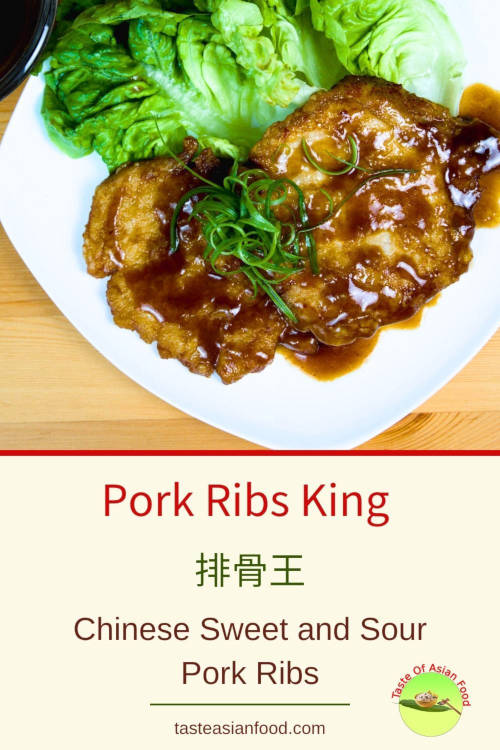
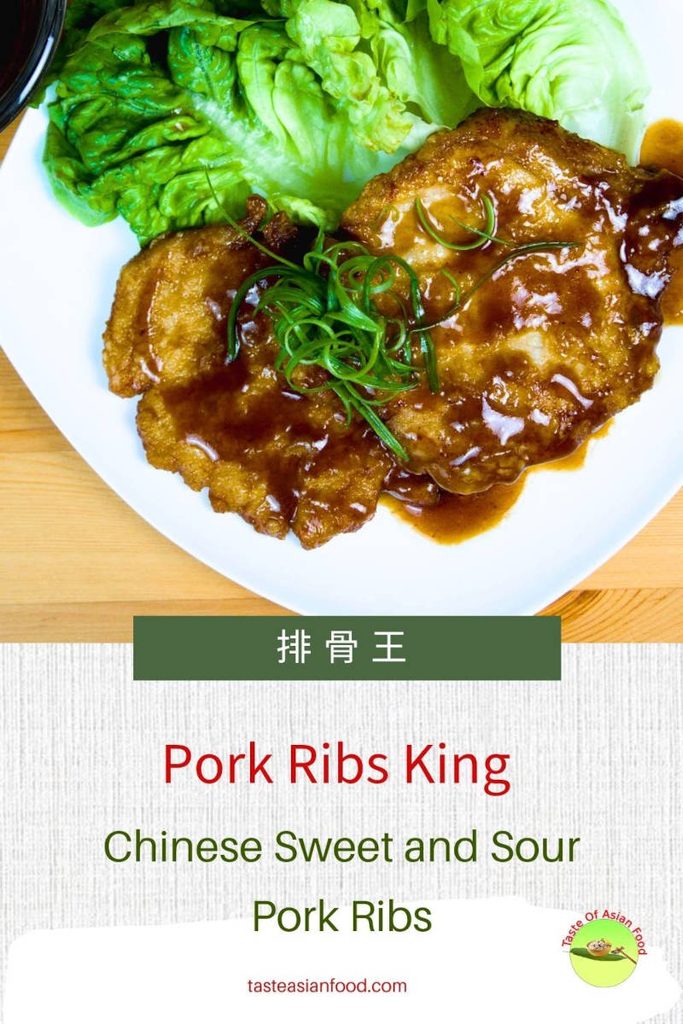
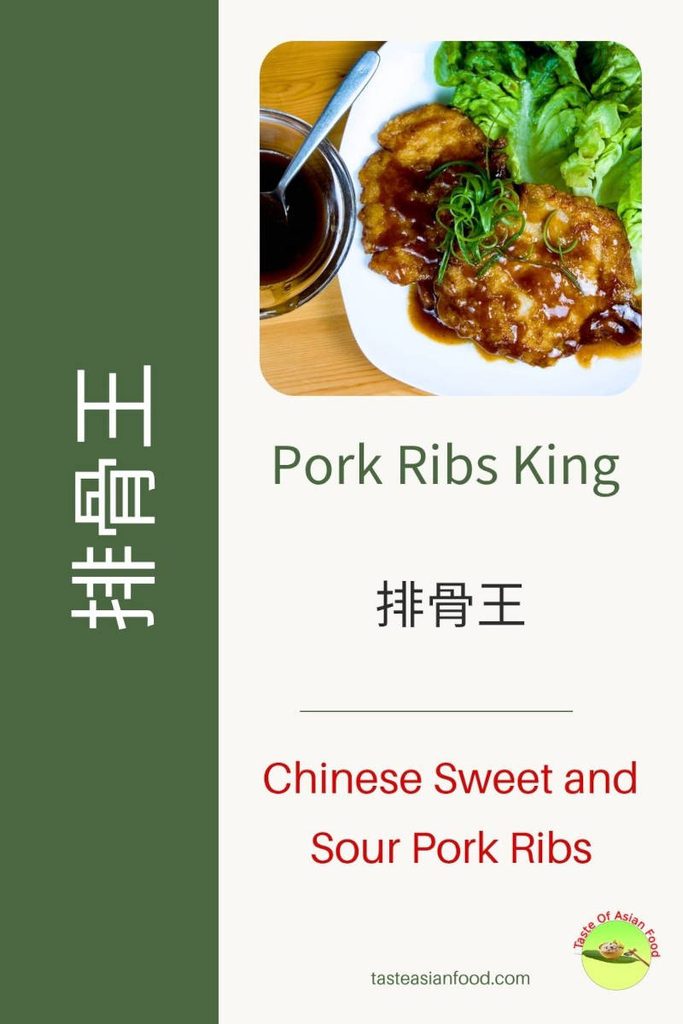
Pork Ribs King (排骨王) is a popular Chinese-style dish of deep-fried pork ribs coated in sweet and sour sauce. The pork is fried twice for a crisp exterior, then tossed briefly in the sauce just before serving.
For my version, I use a meaty cut of pork with a small portion of rib bone attached. I prefer it because each piece has plenty of meat to enjoy without too much bone. The sweet and sour sauce combines Chinese rice vinegar, Worcestershire sauce, tomato ketchup and Chinese plum sauce.
The aim is to keep the pork tender inside, with a crisp exterior coated in just enough sauce. Here is how I make it in my kitchen.
Content
Note: Click any item to jump straight to that part of the post.
Note: This post may contain affiliate links. Please read my privacy policy for more info. I may receive commissions for purchases made through links in this post. As an Amazon Associate, I earn from qualifying purchases.
Why This Recipe Works
- Balanced sweet and sour sauce: Chinese rice vinegar provides the tang, while ketchup, plum sauce and sugar balance the sweetness. Worcestershire sauce adds a savoury note.
- Light cornstarch coating: Cornstarch coats the marinated pork without the need for egg, keeping the preparation simple.
- Two-stage frying: The first fry cooks the pork, while the brief second fry at a higher temperature gives the exterior its golden colour and crisp texture.
- Flexible choice of pork: I prefer thin, meaty ribs, but you can also use less meaty ribs or pork loin. Cooking time will vary depending on the cut and thickness.
- Sauce prepared in advance: Making the sweet and sour sauce ahead of time reduces the work needed when you’re ready to fry the pork.
Ingredients Breakdown
Pork ribs: I use a relatively thin cut, about ½ inch thick, with approximately 80–90% meat and a small amount of bone. This is the cut I tested for this recipe.
Marinade: Oyster sauce, salt, sugar, sesame oil and ground white pepper season the pork. All-purpose flour helps the seasoning cling to the meat, while baking soda is optional for additional tenderising.
Coating and frying: Cornstarch coats the marinated pork before deep-frying. No egg is needed for this recipe.
Sweet and sour sauce: Chinese rice vinegar, Worcestershire sauce, tomato ketchup, Chinese plum sauce, sugar, Chinese five-spice powder and water make up the sauce.
Optional finishing ingredients: Shaoxing wine can be added when heating the sauce, but it is not essential. Toasted white sesame seeds are an optional garnish.
How to Prepare Everything Before Cooking
Prepare the pork
Cut the pork into serving-size pieces. If you’re using the thin, meaty cut I prefer, make a small slit through the strip of fat along the side of each piece. This helps reduce curling during deep-frying.
Marinate the meat
Rub the oyster sauce, salt, sugar, sesame oil, ground white pepper and all-purpose flour thoroughly into the pork. Cover and refrigerate for at least two to three hours, or overnight if you have time for deeper seasoning.
Prepare the sauce
Combine the Chinese rice vinegar, Worcestershire sauce, tomato ketchup, Chinese plum sauce, sugar, Chinese five-spice powder and water in a saucepan. Bring to a boil, stirring until the sugar dissolves. Let the sauce cool, then transfer it to a clean container until needed.
Get ready to fry
Coat the marinated pork with cornstarch, shake off the excess and leave the pieces to rest for about five minutes. Have your kitchen thermometer and wire rack ready before heating the oil.
The complete ingredient quantities and measurements are provided in the recipe card below.
Step-by-Step Cooking Instructions
Step 1: Marinate and coat the pork
Rub all the marinade ingredients into the pork until evenly coated. Refrigerate for at least two to three hours, or overnight if convenient.
Before frying, coat the pork with cornstarch and leave it to rest for about five minutes. Shake off any excess starch to avoid an unnecessarily thick coating.
Step 2: First deep-fry at 150°C (300°F)
Heat the oil to 150°C. Carefully add the pork, working in batches if necessary to avoid overcrowding the pan.
For my thin, meaty ribs, the first fry takes approximately 1½ minutes per side, or three minutes in total. Remove the pieces promptly to avoid overcooking.
These timings are based on the particular cut I tested. Thicker pieces, pork loin or ribs with more bone may require a different cooking time. Use a kitchen thermometer to check the internal temperature, inserting the probe into the thickest part of the meat without touching the bone.
Step 3: Rest the pork and heat the oil
Place the pork on a wire rack for a few minutes while you increase the oil temperature to 200°C (390°F).
This brief pause between frying stages gives you time to bring the oil to the higher temperature needed for the second fry.
Step 4: Second deep-fry at 200°C (390°F)
Return the pork to the hotter oil and fry for approximately 20–30 seconds in total, turning the pieces as needed to colour both sides.
The aim is to give the exterior a golden colour and a slightly crisp texture. With my thin, meaty ribs, this second fry is very short, so watch the pork carefully.
Check that the pork reaches an internal temperature of at least 63°C. If it has not reached this temperature, continue cooking and check again rather than relying on the suggested frying time alone. Once it reaches the safe temperature, let the pork rest for at least three minutes before coating it with the sauce.
Step 5: Heat the sauce and coat the pork
Place the prepared sweet and sour sauce in a pan and heat until hot. Add one tablespoon of Shaoxing wine if desired; it is optional and can be omitted.
Switch off the stove before adding the fried pork. Gently turn the pieces in the sauce until evenly coated. The purpose is to coat the pork, not to cook it further.
Transfer the ribs to a serving plate and serve promptly. If you like, finish with a sprinkle of toasted white sesame seeds.
A Few Tips From My Kitchen
Choose a meaty cut
I prefer thin ribs with approximately 80–90% meat and a small amount of bone. Other cuts can work too, but their thickness and bone content will affect the cooking time.
Make a small slit
Cut a small slit through the strip of fat along the side of each piece before marinating. In my kitchen, this helps reduce curling during deep-frying.
Marinate ahead
If possible, prepare the pork the day before and leave it in the refrigerator overnight. This gives the marinade more time to season the meat.
Watch the first fry
My thin, meaty ribs cook quickly. During testing, I found that about three minutes in total at 150°C was sufficient for my cut. Frying for too long can leave the meat dry, so check the internal temperature rather than relying on timing alone.
Keep the second fry short
For my cut, about 20–30 seconds in total at 200°C was enough to colour the exterior. Watch the pork closely and remove it when it reaches the desired golden colour, while ensuring it has reached a safe internal temperature.
Switch off the stove before coating
Once the sauce is hot, turn off the heat before adding the fried pork. Toss gently to coat the pieces, then serve promptly to help preserve the crisp exterior.
Common Mistakes to Avoid
Frying for too long
Thin, meaty ribs can overcook quickly and become dry. The suggested frying times are based on the cut I tested, so use a kitchen thermometer to check doneness rather than relying on time alone.
Letting the pork curl
Before marinating, make a small slit through the strip of fat along the side of each piece. This helps reduce curling during deep-frying, particularly with the meaty cut used in this recipe.
Using too much cornstarch
A thick coating can leave excess starch on the pork. Coat each piece evenly and shake off any excess before frying.
Cooking the pork in the sauce
Once the sauce is hot, switch off the stove before adding the fried pork. Toss the pieces gently to coat them, then serve promptly. Simmering the ribs in the sauce can soften the coating and cook the meat further.
Variations
Use a different cut of pork
You can use less meaty pork ribs or pork loin instead of the thin, meaty ribs I prefer. Adjust the cooking time according to the cut and thickness, and check the internal temperature with a kitchen thermometer.
Omit the baking soda
Baking soda is optional, so you can leave it out if you prefer. The recipe can still be made without it.
Leave out the Shaoxing wine
Shaoxing wine adds aroma when heating the sauce, but it is not essential. Omit it if you prefer to keep the recipe simple.
Add toasted sesame seeds
For an optional finishing touch, sprinkle toasted white sesame seeds over the pork just before serving.
More Recipes to Try
Chinese Vegetables Stir-Fry
The sweet and sour sauce in Pork Ribs King pairs well with a simple vegetable dish. Try this garlic-based Chinese vegetable stir-fry for a savoury side that balances the meal.
Wuxi Pork Ribs (无锡排骨)
If you enjoy pork ribs, try this Wuxi-style version next. The ribs are braised until tender in a rich sauce, offering a different texture and cooking method from the crispy, deep-fried Pork Ribs King.
Salted Vegetable Soup with Tofu and Pork Ribs
For a more complete Chinese home-cooked meal, serve this Cantonese-style soup alongside your favourite dishes. Its savoury, tangy flavour and combination of tofu and salted vegetables offer a pleasant contrast to the sweet and sour pork.
Quick Takeaways
- Choose the right cut: Thin, meaty ribs are my preference for this recipe.
- Fry in two stages: The first fry cooks the pork, while the brief second fry at a higher temperature gives the exterior a golden, crisp finish.
- Check doneness: Cooking times vary with the cut and thickness, so use a kitchen thermometer to ensure the pork reaches a safe internal temperature.
- Sauce just before serving: Switch off the heat before tossing the fried pork in the hot sweet and sour sauce, then serve promptly to help preserve the coating.

Pork Ribs King (排骨王) – Crispy Sweet and Sour Pork Ribs
Pork Ribs King (排骨王) features crispy Chinese deep-fried pork ribs coated in sweet and sour sauce. Try this homemade recipe with a flavorful Chinese-style sauce.
Ingredients
Pork and Marinade
- 500 g pork ribs, preferably a thin, meaty cut
- 1 tbsp oyster sauce
- ¾ tsp salt
- 1 tsp sugar
- 1 tsp sesame oil
- ½ tsp ground white pepper
- 1 tbsp all-purpose flour
- ¼ tsp baking soda (optional)
- Cornstarch, as needed for coating
- Cooking oil, for deep-frying
Sweet and Sour Sauce
To Finish
- 1 tbsp Shaoxing wine (optional)
- Toasted white sesame seeds (optional)
Instructions
1. Marinate the Pork
Rub the oyster sauce, salt, sugar, sesame oil, ground white pepper and all-purpose flour into the pork until evenly coated. Add the baking soda if using. Cover and refrigerate for at least 2–3 hours, or overnight if convenient.
2. Prepare the Sweet and Sour Sauce
Combine the Chinese rice vinegar, Worcestershire sauce, tomato ketchup, Chinese plum sauce, sugar, Chinese five-spice powder and water in a saucepan. Bring to a boil, stirring until the sugar dissolves. Let the sauce cool and set aside until needed.
3. Coat the Pork
If necessary, make a small slit through the strip of fat along the side of each piece to help reduce curling during frying. Coat the marinated pork evenly with cornstarch, shake off the excess and leave it to rest for about five minutes.
4. First Deep-Fry at 150°C (300°F)
Heat the oil to 150°C. Fry the pork in batches if necessary to avoid overcrowding the pan.
For the thin, meaty ribs used in my kitchen test, fry for approximately 1½ minutes per side, or about 3 minutes in total. Remove the pork promptly and place it on a wire rack. Cooking time will vary with the cut and thickness, so check the internal temperature rather than relying on time alone.
5. Second Deep-Fry at 200°C (390°F)
Increase the oil temperature to 200°C. Return the pork to the oil and fry for approximately 20–30 seconds in total, turning as needed to colour both sides. Watch carefully to prevent over-browning.
Check that the pork reaches an internal temperature of at least 63°C (145°F), measured in the thickest part without touching the bone. Continue cooking if necessary. Once it reaches this temperature, let the pork rest for at least 3 minutes before coating it with the sauce.
6. Heat the Sauce and Coat the Pork
Heat the prepared sweet and sour sauce in a pan until hot. Add the Shaoxing wine if desired; it is optional.
Switch off the stove before adding the freshly fried pork. Gently toss until the pieces are evenly coated, then transfer to a serving plate. Garnish with toasted white sesame seeds if desired and serve immediately.
Recommended Products
As an Amazon Associate and member of other affiliate programs, I earn from qualifying purchases.


Nutrition Information:
Yield: 4 Serving Size: 1Amount Per Serving: Calories: 457Total Fat: 32gSaturated Fat: 9gUnsaturated Fat: 23gCholesterol: 102mgSodium: 1110mgCarbohydrates: 23gFiber: 2gSugar: 16gProtein: 21g
This data was provided and calculated by Nutritionix on 10/20/2026