
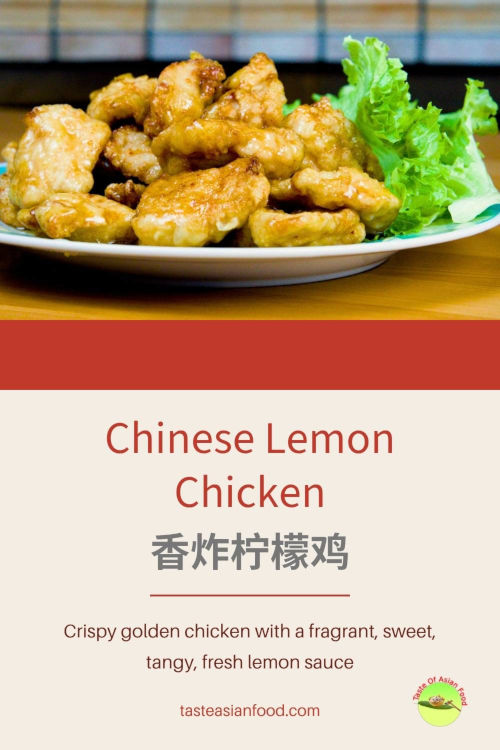
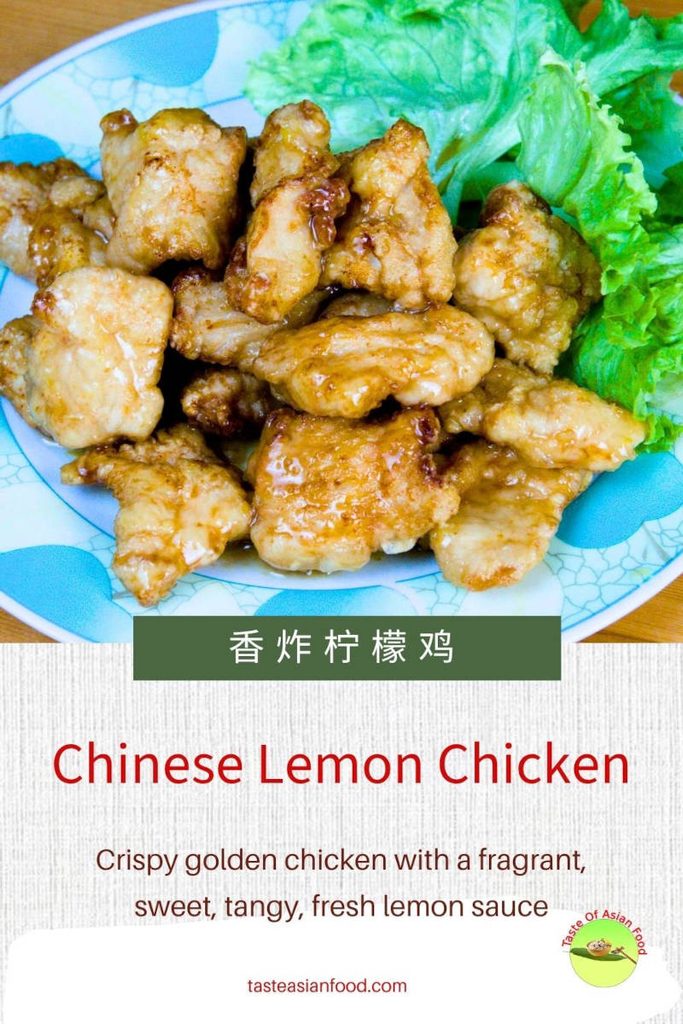
If you love Chinese lemon chicken with a crispy coating and a bright, sweet, and tangy lemon sauce, this recipe is for you. The secret is a thin, crispy coating made with rice flour, wheat starch, and cornstarch. Unlike a wet batter, this dry flour mixture produces a crispier crust that stays crunchy longer, even when served with the lemon sauce.
I developed this method after finding that the coating in my earlier recipe turned soggy soon after the sauce was added. After several rounds of testing, I found that switching to a dry coating and frying the chicken twice gives me the texture I was looking for.
In this recipe, I’ll show you how to marinate the chicken, prepare the three-starch coating, fry the chicken until golden and crispy, and make a fresh lemon sauce with lemon juice and zest. I’ll also share the tips I learned during testing to help you get the best results at home.
Content
Note: Click any item to jump straight to that part of the post.
Note: This post may contain affiliate links. Please read my privacy policy for more info. I may receive commissions for purchases made through links in this post. As an Amazon Associate, I earn from qualifying purchases.
Why This Recipe Works
- Crispy coating: A dry flour-starch mixture produces a thin, crisp crust without the thicker, sponge-like texture of wet batter.
- Well-seasoned chicken: Marinating the chicken beforehand gives the meat its own flavor instead of relying entirely on the lemon sauce.
- Juicy inside: The chicken is fried in two stages, with a short resting period in between. Careful cooking also helps prevent the breast meat from becoming dry.
- Fresh lemon flavor: Fresh lemon juice provides the acidity, while lemon zest contributes the citrus aroma.
- Flexible serving: You can toss the chicken with the sauce or serve the sauce separately as a dip. The second method keeps the chicken crispier for longer.
Ingredients Breakdown
Chicken: I use boneless chicken breast for this recipe, cut into bite-sized pieces of approximately 1 inch. Boneless chicken thighs are another good option if you prefer meat that is naturally juicier.
Marinade: Light soy sauce provides the savory seasoning, while Shaoxing wine adds aroma. Cornstarch and egg white are included to coat the chicken and help the dry flour mixture adhere later. A pinch of ground white pepper completes the seasoning.
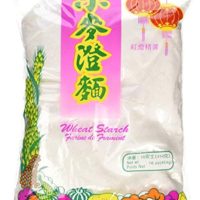
Dry flour coating: This is the main change from my earlier version. I use rice flour, wheat starch, and cornstarch in a ratio of 1:½:½. Each starch contributes to the texture of the crust. Baking powder makes the coating lighter, while salt and white pepper provide a little seasoning.
Lemon sauce: Fresh lemon juice and zest are the main flavoring ingredients. Honey and sugar balance the acidity, while water or chicken stock provides the liquid base. A few slices of ginger are simmered briefly in the liquid before being removed. Cornstarch thickens the sauce.
For serving: Lettuce leaves provide a fresh contrast to the fried chicken. You can also serve the lemon sauce separately in a small bowl for dipping.
How to Prepare Everything Before Cooking
Prepare the chicken
Cut the boneless chicken into bite-sized pieces, approximately 1 inch in size. Prepare the light soy sauce, Shaoxing wine, cornstarch, white pepper, and egg white for the marinade.
Prepare the dry coating
Measure the rice flour, wheat starch, and cornstarch according to the 1:½:½ ratio. Add the baking powder, salt, and ground white pepper, then mix everything thoroughly in a mixing bowl.
Prepare the lemon
Zest the lemon, taking only the yellow outer layer and avoiding the bitter white pith underneath. Squeeze the lemon to obtain fresh juice. Keep both ready for the sauce.
Prepare the sauce ingredients
Slice the ginger thinly. Measure the water or chicken stock, sugar, honey, and cornstarch. Mix the cornstarch with cold water separately to make a slurry just before preparing the sauce.
Prepare the serving plate
Wash and dry the lettuce leaves. Have a wire rack or kitchen towel ready for draining the fried chicken.
The complete ingredient quantities and measurements are provided in the recipe card below.
Step-by-Step Cooking Instructions
1. Marinate the chicken
Place the chicken pieces in a mixing bowl. Add the light soy sauce, Shaoxing wine, cornstarch, and ground white pepper. Give everything a good mix.
Add the egg white and mix thoroughly again, making sure every piece of chicken is properly coated.
Cover the bowl and refrigerate for at least 2 hours. If you have more time, leave the chicken to marinate for half a day or even overnight.
Note: Some chicken pieces are thick, and the lemon sauce only coats the outside. Without proper marinating, the inside of the chicken can taste bland.
2. Prepare the dry flour coating
Combine the rice flour, wheat starch, and cornstarch in a mixing bowl using the ratio of 1 part rice flour, ½ part wheat starch, and ½ part cornstarch.
Add the baking powder, salt, and ground white pepper. Mix thoroughly so that the ingredients are evenly distributed, then set aside.
The baking powder helps produce a lighter coating during frying. When heated, it releases carbon dioxide, creating tiny bubbles in the coating. This gives the crust a lighter texture instead of a dense, hard shell.
3. Coat the chicken
Remove the marinated chicken from the refrigerator and place the pieces into the dry flour mixture.
Toss until every piece is fully covered. Use your hand to press the flour gently onto the chicken so that it adheres properly.
Shake off any excess flour and arrange the coated chicken on a plate. Leave it to rest for a few minutes before frying. Don’t leave it for too long. Moisture from the chicken will gradually migrate to the surface and make the flour coating damp. A short resting period is enough for the coating to adhere.
4. Fry the chicken twice
Heat the oil in a heavy-bottomed pot to approximately 160–170°C (320–338°F). I use a small pot when cooking at home because it requires less oil for deep-frying.
Fry the chicken in small batches without overcrowding the pot. It takes approximately 3 minutes, depending on the size of the pieces. The coating should turn light golden.
Use a kitchen thermometer to check the internal temperature of the chicken. It should reach 74°C (165°F). Remove the chicken immediately and place it on a wire rack or plate. This is particularly important when using chicken breast because overcooking can make the meat tough and dry. Allow it to rest for approximately 5 minutes.
Meanwhile, increase the oil temperature to 190–200°C (374–392°F). Return the chicken to the hot oil in small batches and fry for another 30–45 seconds.
The coating will quickly turn golden brown and become very crispy. Remove the chicken as soon as it reaches the desired color so that it does not become too dark or overcooked. Drain on a wire rack or kitchen towel.
5. Prepare the lemon sauce
Pour the water or chicken stock into a small saucepan and add a few thin slices of fresh ginger. Bring it to a gentle simmer and cook for approximately 2 minutes to extract the ginger’s aroma.
Remove the ginger slices and add the sugar. Stir until the sugar has completely dissolved.
Mix the cornstarch with cold water to make a slurry. Gradually add it to the saucepan while stirring until the sauce reaches your preferred consistency and thickness.
Remove the saucepan from the heat. Add the honey, fresh lemon juice, and lemon zest, then stir to combine.
Taste the sauce and adjust the sweetness and acidity to your preference.
6. Arrange and serve
Arrange some lettuce leaves on a serving plate and place the fried chicken on top.
There are two ways to serve the lemon chicken.
Option 1: Toss with the lemon sauce
Return the fried chicken to a pan and pour in the lemon sauce. Toss until the pieces are evenly coated, then transfer to a serving plate and serve immediately.
This method gives you chicken covered with a glossy layer of lemon sauce.
Option 2: Serve the sauce separately
Arrange the fried chicken on the lettuce without adding any sauce. Pour the lemon sauce into a small bowl and serve it alongside the chicken as a dipping sauce.
I personally prefer this method because the chicken stays dry and crispy while eating. You can dip each piece into the sauce as you go.
A Few Tips From My Kitchen
Why I Changed to Dry Coating
In my earlier version, I used a wet batter. However, after testing both methods, I found that the dry flour coating produces a crispier crust that stays crunchy longer.
The Three Flours-Starches
I use three fours and starches because each has a different role. Rice flour contributes to the crunch, cornstarch gives the coating a crisp bite, and wheat starch makes it lighter and more delicate. The result is a coating that has a crisp, almost shattering texture rather than a hard shell.
The Role of Baking Powder and Egg White
Baking powder (½ teaspoon) is included to make the dry coating lighter. During frying, it releases carbon dioxide and creates tiny bubbles in the coating.
Egg white (1 large) acts as a binder. Its proteins set during frying, helping the starch coating adhere to the chicken instead of peeling away easily. It also helps form a protective layer around the meat.
Rest the coated chicken before frying
After coating the chicken with the dry flour mix leave there a few minutes before deep frying it will helps to let the dry flour mix adhere to the chicken otherwise there will be too much flour that is not here and will drop into the oil and make the oil very dirty
Fresh Lemon Makes a Difference
Since this sauce relies heavily on lemon for its character, use freshly squeezed lemon juice rather than bottled juice whenever possible. Don’t leave out the zest either. The juice provides the acidity, while the zest contributes the fragrant citrus oils. They serve different purposes, and I use both.
Fry Just Before Serving
You can prepare the marinade, dry flour mixture, and sauce ahead of time. However, I recommend frying the chicken shortly before serving. Even though this coating stays crispy longer, freshly fried chicken has the best texture.
Common Mistakes to Avoid
Skipping the marinade
The lemon sauce only covers the outside of the chicken. If you don’t season and marinate the meat beforehand, thicker pieces may taste bland inside.
Using only cornstarch
Cornstarch can produce a crisp coating, but it does not give exactly the same delicate, glass-like texture as the three-starch mixture. The coating may feel slightly harder.
Leaving the coated chicken for too long
The moisture from the chicken can gradually wet the flour coating. If you leave it sitting for too long before frying, the coating may not have the same dry texture.
Overcooking chicken breast
Chicken breast is lean and can become tough when overcooked. Check the internal temperature with a kitchen thermometer rather than relying entirely on the frying time.
Using old or bottled lemon juice
The lemon is the main flavor of this sauce. Bottled juice may not provide the same fresh aroma as freshly squeezed lemon. The zest is equally important because it contributes the fragrant citrus oils.
Adding lemon while the sauce is still cooking
Cooking the lemon juice and zest can diminish their fresh aroma. Add them after removing the sauce from the heat.
Variations
- Chicken thighs: Replace chicken breast with boneless chicken thighs if you prefer juicier meat. Thigh meat contains more fat and is generally more forgiving if slightly overcooked.
- Cornstarch instead of wheat starch: If wheat starch is difficult to find, you can replace it with cornstarch. The coating may be slightly harder and less delicate, but it is still a perfectly acceptable alternative.
- Sauce on the side: Keep the fried chicken dry and serve the lemon sauce separately if you want it to remain as crispy as possible.
More Recipes to Try
If you enjoy this Chinese lemon chicken, here are three recipes from Taste of Asian Food that you can make for a Chinese-style meal.
Chinese Fried Rice
A plate of Chinese fried rice is a practical accompaniment to this lemon chicken. Its savory garlic and soy sauce seasoning works well alongside the sweet and tangy lemon sauce.
Chinese Vegetable Stir Fry
I like serving a vegetable dish alongside fried chicken. This simple stir-fry uses garlic to season the vegetables and provides a fresh contrast to the crispy chicken.
Chinese Vegetable Soup with Daikon and Carrot
If you prefer a more complete home-cooked meal, serve the chicken with a bowl of clear Chinese vegetable soup. The daikon, carrot, and sweet corn give the soup a naturally sweet taste that balances the fried dish.
Quick Takeaways
This Chinese lemon chicken uses a dry coating of rice flour, wheat starch, and cornstarch instead of wet batter. The chicken is marinated first, coated with the starch mixture, and fried twice to develop a thin, crispy crust. The lemon sauce is made with fresh lemon juice and zest, added only after the sauce is removed from the heat. For the best texture, fry the chicken shortly before serving and keep the sauce separate if you want it to stay crispy while eating.
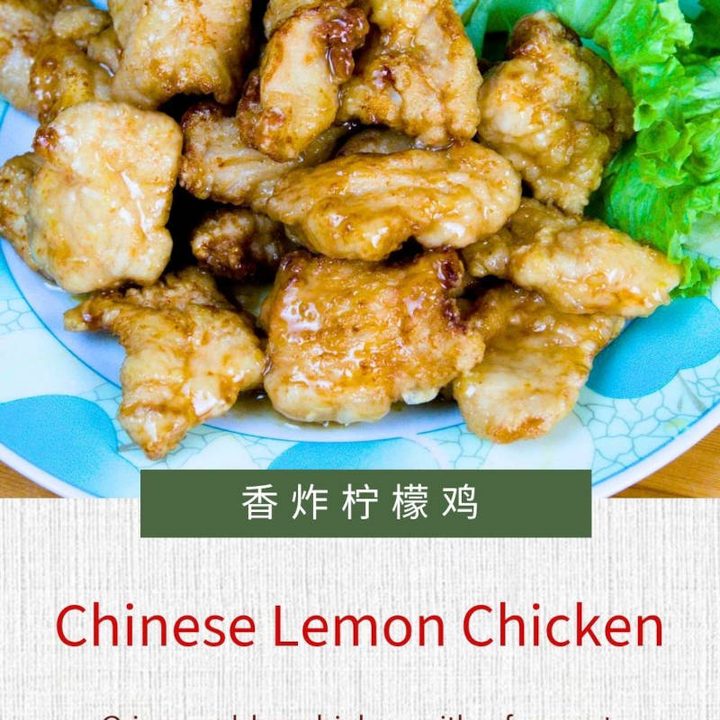
Chinese Lemon Chicken That Stays Crispy Longer
Make crispy Chinese lemon chicken at home with a three-starch coating, double-fried chicken, and fresh lemon sauce. A delicious homemade takeout favorite.
Ingredients
Chicken and Marinade
- 400 g boneless chicken breast or thigh
- 2 tbsp light soy sauce
- 1 tbsp Shaoxing wine
- 1 tbsp cornstarch
- 1 large egg white
- 2 pinches ground white pepper
Dry Flour Coating
- ½ cup (60 g) rice flour
- ¼ cup (30 g) cornstarch
- ¼ cup (30 g) wheat starch
- ½ tsp baking powder
- ½ tsp salt
- ¼ tsp ground white pepper
Lemon Sauce
- 4 tbsp fresh lemon juice
- Zest of 1 large lemon
- 4 tbsp honey
- 1 tbsp sugar
- ½ cup water or chicken stock
- 5 slices fresh ginger
- 2 tsp cornstarch
- 2 tbsp cold water (for the cornstarch slurry)
For Frying and Serving
- Vegetable oil or peanut oil, for deep-frying
- Lettuce leaves
Instructions
1. Marinate the chicken. Cut the chicken into bite-sized pieces, approximately 1 inch each. Mix with the light soy sauce, Shaoxing wine, cornstarch, and white pepper. Add the egg white and mix until evenly coated. Cover and refrigerate for at least 2 hours, or longer if desired.
2. Prepare the dry flour coating. Combine the rice flour, wheat starch, and cornstarch in a ratio of 1:½:½. Add the baking powder, salt, and white pepper. Mix thoroughly.
3. Coat the chicken. Add the marinated chicken to the flour mixture. Toss until every piece is coated, gently pressing the flour onto the chicken. Shake off excess flour and let the chicken rest for a few minutes.
4. Fry the chicken for the first time. Heat the oil to 160–170°C (320–338°F). Fry the chicken in small batches for approximately 3 minutes, depending on the size of the pieces. Check that the internal temperature reaches 74°C (165°F). Remove and rest for approximately 5 minutes.
5. Fry the chicken for the second time. Increase the oil temperature to 190–200°C (374–392°F). Return the chicken to the oil in small batches and fry for another 30–45 seconds, until golden brown and crispy. Drain on a wire rack or kitchen towel.
6. Prepare the lemon sauce. Simmer the water or chicken stock with the ginger slices for approximately 2 minutes. Remove the ginger and stir in the sugar until dissolved.
Mix the cornstarch with 2 tablespoons of cold water to make a slurry. Stir the slurry again, then gradually add it to the saucepan while stirring until the sauce thickens.
Remove from the heat. Add the honey, fresh lemon juice, and lemon zest. Stir well and adjust the sweetness and acidity to taste.
7. Arrange and serve. Arrange lettuce leaves on a serving plate and place the fried chicken on top.
Either toss the chicken with the lemon sauce just before serving or serve the sauce separately as a dipping sauce to keep the chicken crispy for longer.
Recommended Products
As an Amazon Associate and member of other affiliate programs, I earn from qualifying purchases.


Nutrition Information:
Yield: 3 Serving Size: 1Amount Per Serving: Calories: 586Total Fat: 6gSaturated Fat: 2gUnsaturated Fat: 4gCholesterol: 113mgSodium: 1453mgCarbohydrates: 82gFiber: 4gSugar: 29gProtein: 49g
This data was provided and calculated by Nutritionix on 11/11/2026
Hi KP, Many Chinese recipes require frying in oil. Frying in oil can be messy and you are also left with the leftover oil. I read your articles and thank you for teaching us. Can you move from oil frying to air frying? Thank you.
Sure, you can use an air fryer. I sometimes use my air fryer too. It is healthier, but the only catch is that the result will be less crispy.
Tried this recipe for the first time today and it turned out great. The battered chicken pieces was crunchy. The sauce took a bit of experimenting to adjust to just the right balance of sweet and tartness but we got there.
Just drizzling the sauce over the crispy chicken was just right. Very popular with the family and all gone within minutes. Delicious!!
Love your recipes. I try and copy the videos but for some reason the format that you use is not cop-able. Is it possible to copy them?
If you have trouble watching it here, you can try viewing it on YouTube: https://youtu.be/qe1atHpJkYA
Excellent recipe. Thank you.
Hi, this is KP Kwan. I’m delighted to see you here in the comment section after reading my recipe. I’ll be happy to answer any questions or comments as soon as possible.