
Sweet and sour pork ribs are one of those dishes that always steal the spotlight. What makes them so irresistible? It’s that bold, sticky-sweet, slightly tangy sauce that clings to every tender bite of pork. The flavor is rich and layered, yet surprisingly simple to achieve. You only need a few pantry staples like soy sauce, vinegar, and sugar, plus some pork ribs, and you’re all set.
The ribs turn out tender and juicy, coated in a glossy sauce that’s sweet, tangy, and savory all at once. You can easily recreate this dish at home by following this easy-to-follow recipe.
Note: This post may contain affiliate links. Please read my privacy policy for more info. I may receive commissions for purchases made through links in this post. As an Amazon Associate, I earn from qualifying purchases.
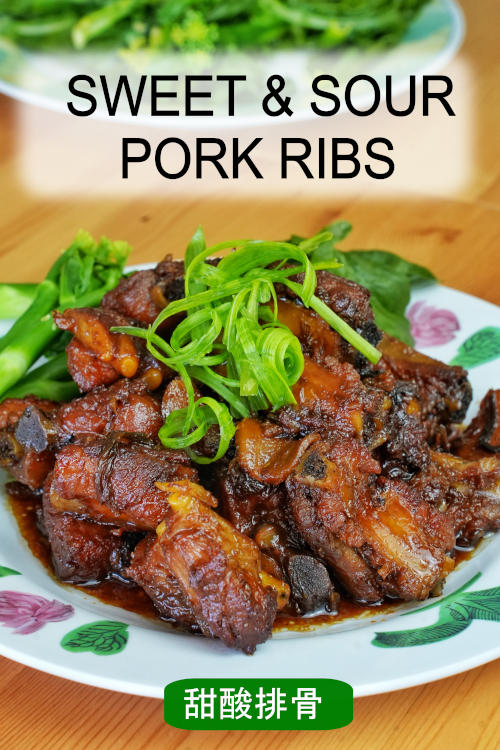
Ingredients Needed to Prepare Sweet and Sour Pork Ribs
- Pork ribs. When buying the pork ribs, ask the butcher to cut them into your preferred size, as it’s difficult to do at home without a proper butcher’s knife.
- Aromatic ingredients. Ginger, scallions, and garlic are the essential aromatics that provide the base fragrance for the dish.
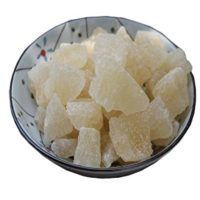
- Sugar. For the caramel, using rock sugar will give the pork ribs a more attractive, glossy finish. However, if you don’t have rock sugar, white sugar is a perfectly acceptable substitute, since the difference in taste and appearance is minimal.
- Seasonings. The remaining seasonings are pretty straightforward and include light soy sauce, Shaoxing wine, and Zhenjiang vinegar.
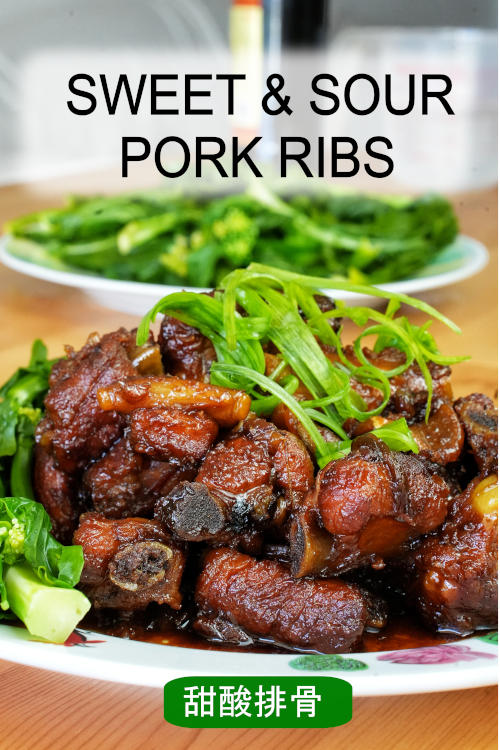
How to cook the sweet and sour pork ribs
Here is a step-by-step guide on preparing my favorite sweet and sour pork ribs.
- Pat the pork ribs dry, then lightly coat them with a small amount of oil. Arrange them on a baking rack in the middle position. Bake the ribs at a high temperature (230°C/450°F). The baking time will vary depending on the size of the ribs, but generally, it takes at least thirty minutes to turn golden brown.
- Meanwhile, heat a small amount of oil in a pan and add the sugar. Keep the heat low to prevent the sugar from burning. As it melts, the sugar will gradually turn an amber color. Then add water to dilute the caramelized sugar. Please be cautious as adding water may cause splattering. The caramel provides a glossy surface and a beautiful, dark brown coating on their pork ribs.
- Toss the baked ribs with the caramel syrup over medium heat for 1 to 2 minutes, until they are evenly coated and glossy.
- Add the wine, light soy sauce, Zhenjiang vinegar (a type of Chinese black vinegar), sugar, and the other seasonings as indicated in the recipe.
- Slow-cook the pork ribs for approximately 1-2 hours, or until tender. Meanwhile, ensure that there is enough water in the pot to cover the pork ribs. Periodically check the water level and add a small amount if necessary. Do not add water in the final thirty minutes of cooking, allowing the liquid to naturally reduce into a thick, flavorful sauce that will coat the pork ribs.
- When it is nearly done, test to decide if any adjustments are needed to balance the sweetness and sourness of the dish.
Alternate method – use a multicooker
For an alternative cooking method, transfer the pork ribs to a slow cooker and let them simmer until they become soft and tender. You can also pressure-cook the pork ribs. Most pressure cookers have a preset for meat. Once the pressure cooking cycle is complete, check if the ribs are tender enough. If not, you may need to manually extend the cooking time. Since multicookers typically require less water, avoid adding excessive water for simmering the ribs. We aim to reduce the liquid and create a thick and sticky sauce.
Once done, remove the pork ribs and leave the liquid in the cooker. Switch to the sauce-thickening or sauté mode to reduce the liquid until it thickens. Then, return the pork ribs to the sauce, toss to coat evenly, and serve.
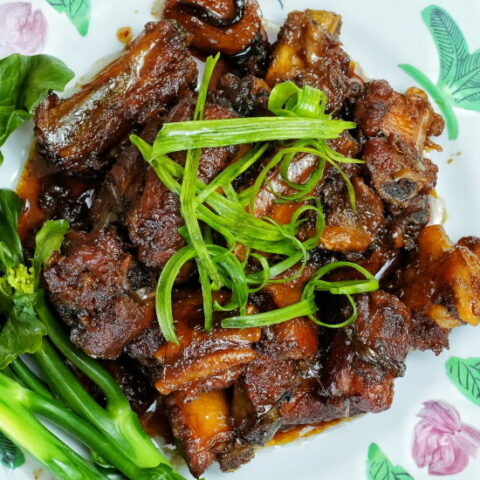
Sweet and sour pork ribs
A tested recipe for sweet and sour pork ribs. A delightful Chinese classic you can easily make at home.
Ingredients
Ingredients A
- 1.5 pound pork ribs
- 4 slices ginger
- 1 stalk of spring onions, cut into sections
- 1 tbsp rice wine
Ingredients B
- 50g rock sugar
- 2 tbsp cooking oil
- 1/4 cup water
Ingredients C
- 2 tbsp light soy sauce
- 2 tbsp Shaoxing wine
- 3 cloves garlic
- 5 thin slices of ginger
- 2 stalks of spring onions, cut into sections
- 3 tbsps Zhengjiang vinegar
- 1 tbsp sugar
- 1 tsp salt
To garnish
- Spring onions for garnishing
Instructions
Clean and blanch the pork ribs (Ingredients A)
- Place the pork ribs in a pot of boiling water along with cooking wine, a few slices of ginger, and a stalk of spring onions. Let them blanch for two to three minutes, skimming off any scum that rises to the surface. Then, drain the pork ribs in a colander and pat them dry with a cloth. (This step is optional. If the pork is fresh and has no unpleasant odor, you can skip it.)
Bake the pork ribs
- Coat the pork ribs with a small amount of oil
- Arrange them on the baking rack.
- Bake the ribs at a high temperature (230°C/450°F) until golden brown. Generally, it takes at least thirty minutes to turn golden brown.
Make a caramel to color the pork ribs (Ingredients B)
- Heat some oil in a pan and add the rock sugar. Keep the heat low as it burns quickly. After the sugar melts, add a little water to the melted sugar. Be cautious, as there may be some splattering.
- Mix the caramel syrup with the cooked ribs over medium heat for a minute or until fully coated with the caramel.
Braise the pork until tender
- Now, let's add the garlic cloves, the remaining sugar, vinegar, light soy sauce, and the other seasonings as indicated in Ingredients C.
- Add enough water to cover the pork ribs.
- Simmer for approximately two hours. Open the lid at least once in the process to mix it to ensure even cooking.
- Transfer the pork ribs to the plate to serve when the liquid is reduced to a thick gravy.
Recommended Products
As an Amazon Associate and member of other affiliate programs, I earn from qualifying purchases.

Nutrition Information:
Yield: 3 Serving Size: 1Amount Per Serving: Calories: 1081Total Fat: 80gSaturated Fat: 22gTrans Fat: 1gUnsaturated Fat: 40gCholesterol: 238mgSodium: 1723mgCarbohydrates: 39gFiber: 2gSugar: 23gProtein: 50g
This data was provided and calculated by Nutritionix on 7/15/2023
How to serve the sweet and sour ribs
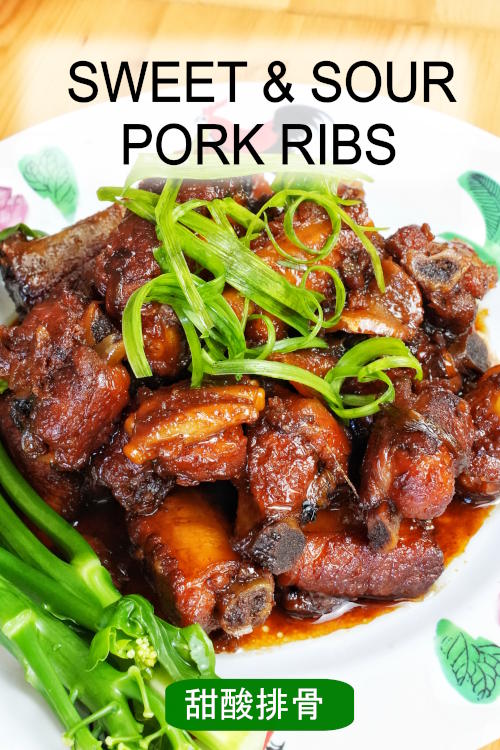
Arranging them on a plate alongside some vegetables. To add a finishing touch, sprinkle toasted white sesame seeds and spring onions (green onions) as garnish.
These pork ribs can be enjoyed as an appetizer or a main course. Here are a few additional serving suggestions: a) Prepare a refreshing coleslaw as a side dish. b) Create a pasta salad to accompany the ribs. c) Serve them with steamed rice, a popular choice in our family. d) Stir-fry or roast vegetables, such as broccoli, carrots, and bell peppers, as they beautifully complement the rich flavors of the ribs.
Variation and tips to prepare the pork ribs
- I bake the ribs instead of deep-frying to reduce oil consumption while still producing browning and aroma.
- Some recipes recommend marinating the pork ribs beforehand. However, since the ribs are slow-cooked for over an hour, the extended cooking time allows the flavors to penetrate deeply, making marinating unnecessary.
- Some recipes recommend blanching the pork ribs before baking or deep-frying. Blanching with rice wine, spring onions, and ginger can help remove the gamey odor from the meat. However, if the ribs are fresh and have no unpleasant smell, I usually skip this step. If you want to blanch the pork ribs, place them in a pot of cold water along with some cooking wine, a few slices of ginger, and a stalk of spring onion. Once boiled, let them blanch for two to three minutes. Then, drain the pork ribs, rinse with water, and keep them dry in a colander
- It’s preferable to use traditional Zhenjiang vinegar (a type of Chinese black vinegar), widely used in Chinese cooking. While other types of vinegar can still yield good results, it’s best to avoid using white vinegar as it may result in a less desirable flavor.
- There’s no need to use cornstarch to thicken the gravy, as the bone collagen acts as a natural thickening agent, giving the sauce a silky smooth and glossy texture.
- Some sweet and sour pork ribs recipes include ketchup to achieve the desired sweet and sour flavor.
5. Other similar Chinese recipes on this food blog
If you enjoyed this Chinese pork ribs recipe, I recommend some similar recipes that I would like to share with you.
- Another Chinese pork ribs recipe involves the use of star anise and cinnamon. The resulting flavor is unique, differing from the sweet and sour variations.
- Try this authentic Malaysian Chinese pork chop, the “Pork Ribs King.” The pork ribs are marinated, deep-fried to perfection, and generously coated in a delectable sweet and sour sauce.
- If you’re looking for a quick and easy option, I recommend this honey garlic pork chop recipe. It is one of the most popular recipes on this food blog.
Hello. Can I substitute the rock sugar with just regular sugar?
Yes, the difference is marginal.
Thank for your recipe i will try and make it looks great thank you
What can you use instead of garlic as I am garlic intolerant and also I am allergic to ginger as I would like to cook this recipe
Losing the flavors of ginger and garlic can be disappointing, but considering your allergy, omitting them is the best option. Even without ginger and garlic, it will still be a tasty creation. Happy cooking.
Hi KP
I have to make things gluten free as I have celiac, and it was amazing! I substituted good dry sherry for the Shaozing and used apple cider vinegar instead of zhengjian. Lovely recipe and I appreciate not frying it. Next time, I will double the recipe. Do you think that would work?
You can considered to air-fry or baked it rather than frying.
Hi, this is KP Kwan. I am happy to see you in this comment area, as you have read through my recipe. I am glad to reply to any questions and comments as soon as possible.
@KP Kwan,
Dear KP,
Since I cannot take pork as I am Muslim, I’d like to try your method with beef short ribs. What adjustments should I make?
Thanks
You can use either chicken of beef, omit any alcohol, by following the same method.