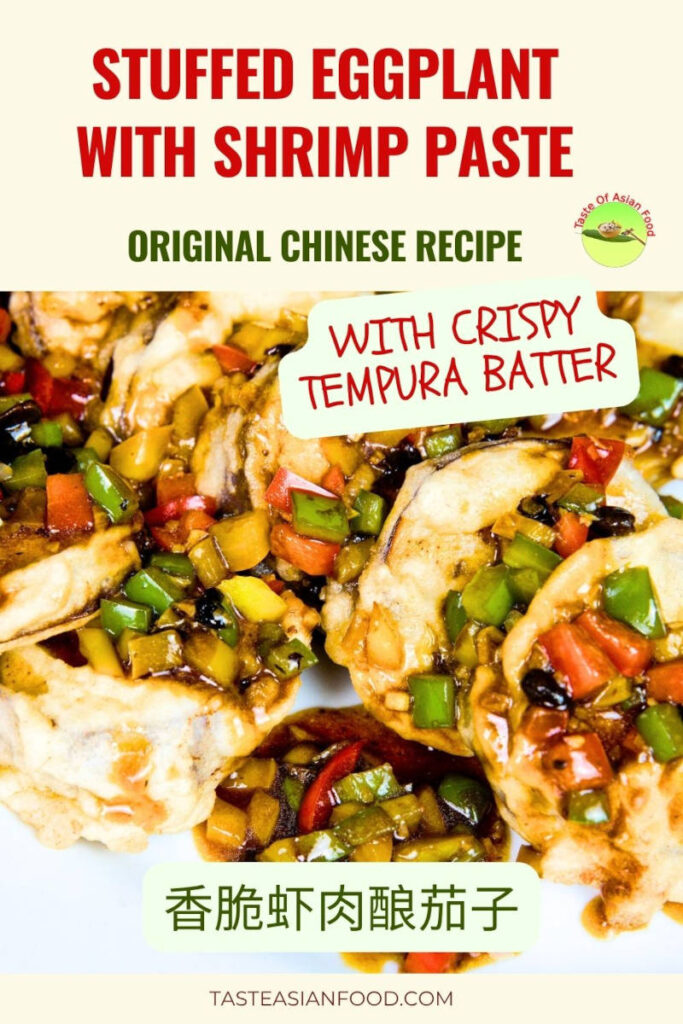
This stuffed eggplant with shrimp paste recipe was inspired by a dish I once had at a Chinese restaurant. While I loved the idea, I wanted to give it my own twist. I use a Cantonese-style black bean sauce, which pairs especially well with the shrimp and eggplant. I also replace the traditional cornstarch coating with a light tempura-style batter that fries up exceptionally crisp while remaining light and delicate.
The dish is best enjoyed straight from the fryer while the coating is still crisp and crunchy. Beneath the golden crust, the shrimp paste stays juicy and bouncy, while the eggplant becomes soft, creamy, and full of flavor. The contrast between the crispy batter, tender eggplant, and springy shrimp filling makes every bite incredibly satisfying.
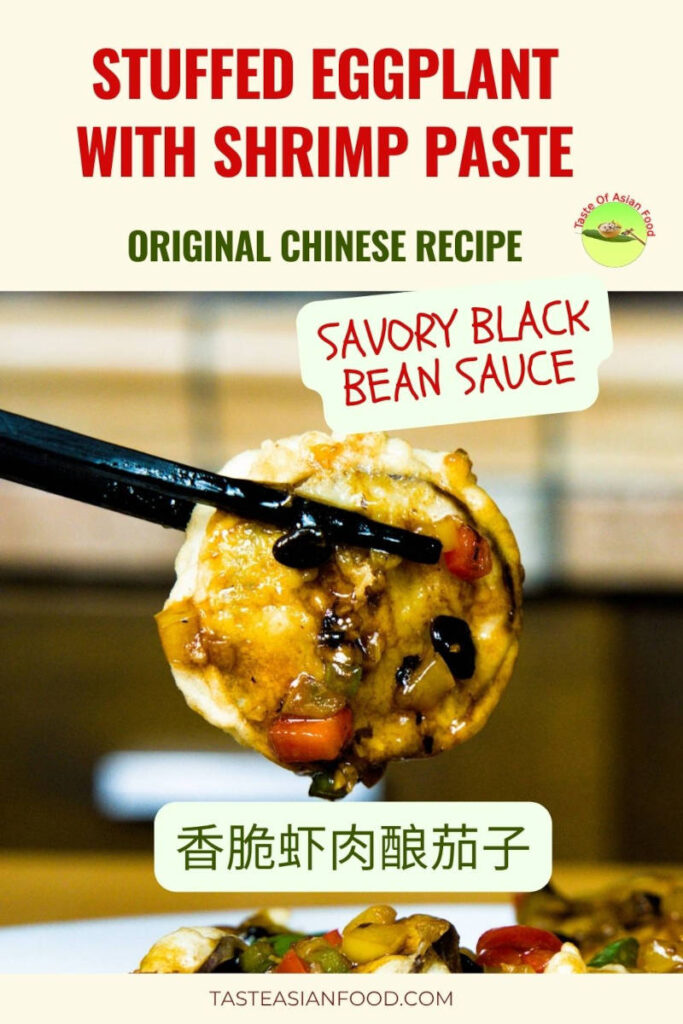
The savory black bean sauce completes the dish beautifully. Combined with colorful bell peppers, it adds another layer of umami, sweetness, and texture without overwhelming the delicate flavors of the shrimp and eggplant.
If you enjoy recreating restaurant-quality Chinese dishes at home or simply want to try something a little different, I hope you’ll give this recipe a try. Let’s get cooking!
Note: This post may contain affiliate links. Please read my privacy policy for more info. I may receive commissions for purchases made through links in this post. As an Amazon Associate, I earn from qualifying purchases.
Why This Recipe Works
This Chinese eggplant recipe is built on a few key cooking principles that guide the flavor, texture, and overall balance of the dish.
- Umami Absorption – Chinese eggplant becomes soft and creamy after cooking and works like a sponge. It absorbs sauces very well, so a strong umami-based sauce is ideal. That is why I use fermented black beans, as black bean sauce makes the eggplant exceptionally flavorful.
- Texture Contrast – The eggplant is naturally soft, so it needs a crisp contrast. Instead of coating it with cornstarch, I use a tempura-style batter. This creates a light, airy, and shattering crisp texture that balances the softness of the eggplant.
- Shrimp Flavor Base – The shrimp filling provides the main savory protein element of the dish, adding natural sweetness and a bouncy texture that balances the soft eggplant.
- Color & Freshness – Bell peppers are added not only for color but also for freshness. Since the eggplant is deep-fried, the peppers help lighten the dish with a mild crunch and subtle sweetness. They also make the dish visually more appealing.
A Few Tips Before You Begin
Before you start cooking the stuffed eggplants, here are a few important tips. These small details can make a big difference in the final result.
- Keep Batter Cold– Keep the tempura batter as cold as possible at all times. If you are not using it immediately, place it in the refrigerator to keep it chilled. Cold batter helps reduce gluten formation, which is essential for achieving a light and crispy texture. Avoid overmixing the batter for the same reason, as excessive stirring will develop gluten and reduce the crispiness.
- Avoid Overfilling – Do not overfill the eggplant. There is no need to pack in too much shrimp paste. A moderate amount allows the flavor of the eggplant and shrimp to stay balanced, while also ensuring the pieces remain properly sealed during frying.
- Control Oil Temperature – Maintain the oil temperature at around 160°C. If the oil is too hot, the outside will brown too quickly before the inside is properly cooked. If the oil is too cool, the eggplant will absorb too much oil and become heavy and greasy.
- Fry in Batches – When cooking at home, it is best to use a small pot and fry the eggplant in batches. This step helps reduce the waste of excess oil used for deep frying. Avoid overcrowding the pot, as this will lower the oil temperature and cause the pieces to stick together.
- Serve Immediately – This dish is best served immediately after frying. Like all tempura-style dishes, the crispiness is at its peak right after cooking.
Detailed Step-by-Step Instructions
The following section walks you through every step of the stuffed eggplant recipe in detail, explaining not only how to prepare the dish but also why each step is important. A simplified version of the instructions is available in the recipe card at the end of this post.
Step 1: Prepare the Eggplant
- Start by washing the Chinese eggplant thoroughly under running water to remove any dirt. Pat it dry with a clean kitchen towel. A dry surface makes it easier to slice neatly and helps the batter adhere better later.
- Trim off both ends of the eggplant. Using a sharp knife, cut the eggplant crosswise. Start by making the first cut about 1/4 cm (1/6 inch) thick, but do not cut all the way through. Leave a small section uncut so the two slices remain attached on one side, forming a hinge.
- Next, make a second cut about ¾ cm (⅓ inch) further along, this time cutting completely through the eggplant. This separates the third slice from the eggplant while leaving the first two slices attached like a hinge. Repeat this two-cut pattern along the entire eggplant. Each piece will open like a pocket, making it easy to stuff with the shrimp filling.
- Set the prepared eggplant aside while you make the shrimp filling.
Step 2: Make the Shrimp Filling
- Peel the shrimp, remove the heads and shells, and devein them.
- Gently pat the shrimp dry with paper towels to remove as much surface moisture as possible. Dry shrimp produce a firmer, stickier paste that is easier to work with and holds together better during frying.
- Using the flat side of a Chinese cleaver or the side of a large chef’s knife, pound the shrimp against the cutting board until the meat begins to break down. Then use the knife to chop the shrimp coarsely until it forms a paste. It does not need to be completely smooth. Leaving a few small pieces of shrimp gives the filling a more satisfying texture after cooking.
- Transfer the shrimp paste to a mixing bowl. Add the chopped garlic, salt, ground white pepper, and beaten egg. If you prefer not to use egg, substitute cornstarch as the binder.
- Using a fork or a pair of chopsticks, stir the mixture continuously in one direction. As you continue mixing, the shrimp paste will become smoother, stickier, and more cohesive.
- Continue stirring until the shrimp paste pulls away from the sides of the bowl and forms a single sticky mass. At this stage, it is ready to be used as the filling for the eggplant.
Step 3: Prepare the Sauce and Vegetables
- Combine the light soy sauce, oyster sauce, sesame oil, Chinese cooking wine, ground white pepper, and water in a small mixing bowl. Stir well until everything is thoroughly combined.
- Using the side of a knife or the back of a spoon, mash the fermented black beans into a coarse paste.
- Cut the green, red, and yellow bell peppers into small, evenly sized cubes. Using three different colors not only makes the finished dish more attractive but also provides a slight contrast in sweetness and texture.
- Finely chop the garlic for the sauce if you have not already done so.
Note:
- Preparing the sauce in advance allows you to add all the ingredients to the wok at once during cooking. This not only makes the cooking process smoother but also prevents accidentally leaving out an ingredient when everything starts cooking quickly.
- Although the sauce uses only a few ingredients, each one has an important role. The light soy sauce provides the main seasoning, the oyster sauce adds richness and natural sweetness, the Chinese cooking wine contributes depth of flavor, and the sesame oil gives the sauce its distinctive nutty aroma.
- The fermented black beans are the key ingredient that gives this dish its authentic Cantonese character. They add a deep savory umami flavor that pairs beautifully with both the shrimp and the eggplant. If you can’t find fermented black beans, black bean sauce is a good substitute, although the flavor will be slightly different.
Step 4: Prepare the Tempura Batter
- Sift the flour into a mixing bowl. Sifting helps remove any lumps and incorporates air into the flour, resulting in a lighter batter with a more delicate texture.
- In a separate bowl, measure the ice-cold water and lightly beat an egg. Keeping the ingredients cold is important, as it slows gluten formation and helps achieve a thin, crisp tempura coating.
- Pour the cold water and beaten egg into the flour. Using a pair of chopsticks or a fork, gently stir with a few circular motions until the flour is just moistened.
- Do not whisk the batter vigorously or try to make it completely smooth. It is perfectly fine for small lumps of flour to remain. Overmixing will develop gluten, resulting in a heavier, chewier coating instead of a light and crisp crust.
- The finished batter should be slightly thick but still flow easily from a spoon. If it becomes too thick, add a small amount of ice-cold water to adjust the consistency. Once ready, use the batter immediately for the best crispiness, or keep it chilled in the refrigerator until needed.
Step 5: Stuff the Eggplant
- Open each eggplant slice along the hinged side. Spoon a small amount of the shrimp paste into the center and spread it evenly between the two slices.
- Close the eggplant gently and press lightly to help the shrimp paste adhere to both sides of the eggplant.
- Avoid overfilling each piece. A moderate amount of filling creates a better balance between the eggplant and the shrimp while also producing a neater appearance.
Step 6: Deep Fry the Stuffed Eggplant
- Heat enough vegetable oil for deep frying to about 160°C (320°F). Use a kitchen thermometer if possible, as maintaining the correct oil temperature is one of the most important factors in producing a crisp coating without overcooking the shrimp.
- Dip one shrimp-stuffed eggplant into the batter, making sure it is evenly coated. Lift and allow excess batter to drip off before lowering it into the hot oil immediately. A thin coating produces a lighter and crispier crust than a thick layer of batter.
- Carefully lower the battered eggplant into the hot oil. Do not overcrowd the pan. Frying too many pieces together lowers the oil temperature and causes the eggplants to stick to one another.
- If using a small pot at home, fry the eggplants in batches.
- Allow the eggplant to fry for about three to four minutes. During cooking, gently turn the pieces several times so that both sides brown evenly.
- Remove the cooked eggplant with a slotted spoon or spider strainer and transfer it to a tray lined with paper towels or a wire rack. Allow any excess oil to drain while you fry the remaining batches.
Step 7: Cook the Black Bean Sauce and Serve
- Heat vegetable oil in a wok or frying pan over medium heat.
- Add the minced garlic and sauté until fragrant.
- Add the diced bell peppers and mashed black beans; stir-fry for about 30 seconds
- Pour in the prepared sauce mixture and stir until well combined.
- Meanwhile, combine the cornstarch with the cold water to make a smooth slurry. Pour the slurry into the sauce while stirring continuously.
- Arrange the freshly fried stuffed eggplant on a serving platter.
- Spoon the hot sauce generously over the stuffed eggplant just before serving.
- Serve the stuffed eggplant immediately while the eggplant is still crispy. The contrast between the crisp tempura coating, the tender eggplant, the juicy shrimp filling, and the savory black bean sauce is at its very best when freshly cooked.
Related Recipes You May Like
If you enjoyed this stuffed eggplant with shrimp dish, here are two related recipes that you may also want to try.
- Tempura —. This is the same style of batter used in this recipe, and mastering it will help you achieve consistently crisp and airy fried dishes.
- Chinese Pan-Fried Shrimp with Soy Sauce — A simple yet flavorful shrimp dish cooked in a hot pan with soy sauce, garlic, and aromatics.
Stuffed Eggplant with Shrimp in Crispy Tempura Batter
Crispy stuffed eggplant with shrimp in light tempura batter, served with savory black bean sauce. A restaurant-style Chinese recipe made at home.
Ingredients
- 270 g Chinese eggplant
Shrimp Filling
- 200 g shrimp, peeled and deveined
- 1 tbsp chopped garlic
- 5 g salt
- ½ tsp ground white pepper
- ¼ beaten egg
Tempura Batter
- 100 g cake flour, sifted
- 150 ml ice-cold water (adjust as needed for consistency)
- ½ beaten egg
Sauce
- 1 tbsp light soy sauce
- 1 tbsp oyster sauce
- 1 tsp sesame oil
- 1 tbsp Chinese cooking wine
- ¼ tsp ground white pepper
- 3 tbsp water
- 2 tsp fermented black beans
Vegetables
- ¼ green bell pepper, diced
- ¼ red bell pepper, diced
- ¼ yellow bell pepper, diced
- 1 tbsp garlic, finely chopped
Others
- 5 g cornstarch
- 15 ml cold water
- Vegetable oil, for deep frying
Instructions
- Wash eggplant, trim both ends, and cut crosswise into clamshell-style pockets using the two-cut method.
- Peel shrimp, remove heads, shells, and devein. Pat dry, then smash and chop into a coarse paste.
- Transfer shrimp to a bowl. Add garlic, salt, white pepper, and ¼ beaten egg. Mix until sticky and well combined.
- Mix all sauce ingredients together in a bowl and set aside. Mash fermented black beans.
- Prepare vegetables by dicing bell peppers and finely chopping garlic.
- Make batter: sift flour into a bowl, add ice-cold water and ½ egg, then gently stir until just combined (lumps are fine).
- Open eggplant pieces, stuff with shrimp filling, and gently press to close.
- Heat oil to 160°C. Dip stuffed eggplant into batter and fry in batches until golden and crispy.
- Remove and drain on paper towels.
- In a wok, sauté garlic, add bell peppers and black beans, then pour in the sauce. Bring to a boil, thicken with slurry, and finish.
- Serve eggplant immediately and pour sauce over or serve underneath.
Recommended Products
As an Amazon Associate and member of other affiliate programs, I earn from qualifying purchases.
-

 ThermoPro TP03A Digital Instant Read Meat Thermometer Kitchen Cooking Food Candy Thermometer for Oil Deep Fry BBQ Grill Smoker Thermometer
 -
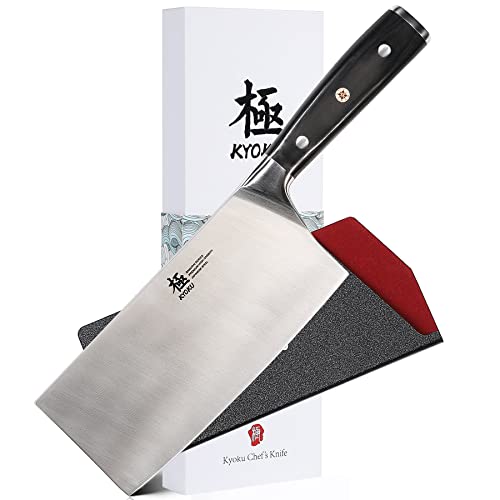 KYOKU Samurai Series - 7" Cleaver Knife - Full Tang - Japanese High Carbon Steel Kitchen Knives - Pakkawood Handle with Mosaic Pin - with Sheath & Case
 -
 Lee Kum Kee Black Bean Garlic Sauce - 8 oz.
Nutrition Information:
Yield: 14 Serving Size: 1Amount Per Serving: Calories: 64Total Fat: 1gSaturated Fat: 0gUnsaturated Fat: 1gCholesterol: 30mgSodium: 371mgCarbohydrates: 10gFiber: 1gSugar: 1gProtein: 4g
This data was provided and calculated by Nutritionix on 6/28/2026
KP
Sunday 28th of June 2026
Hi, this is KP Kwan. Thank you for reading my recipe. Please feel free to ask any questions or leave comments. I’ll respond as soon as possible.