
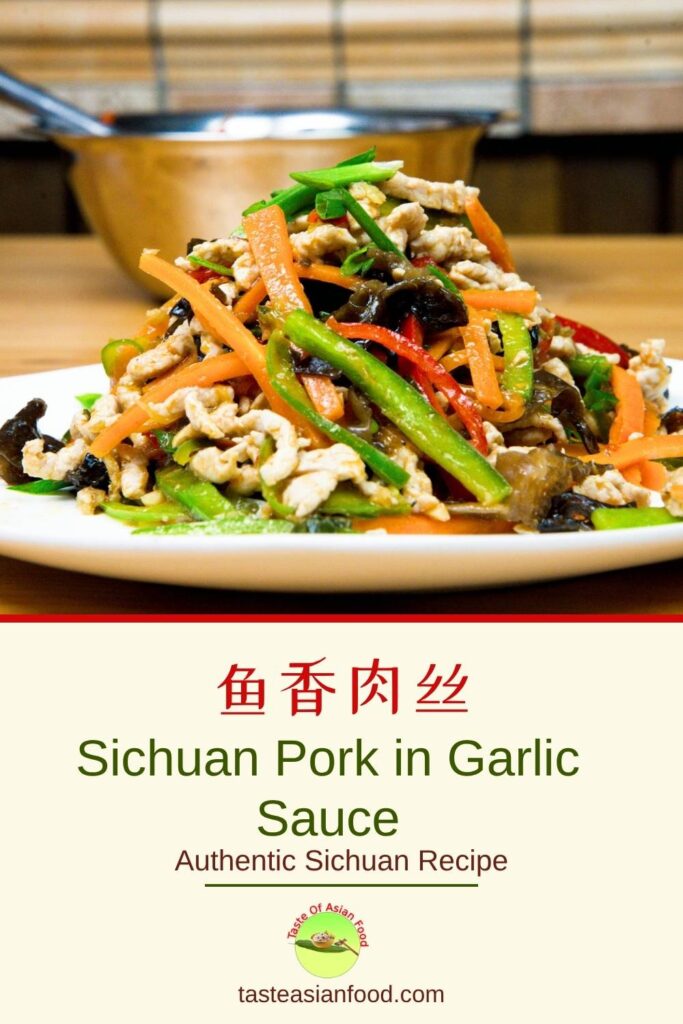
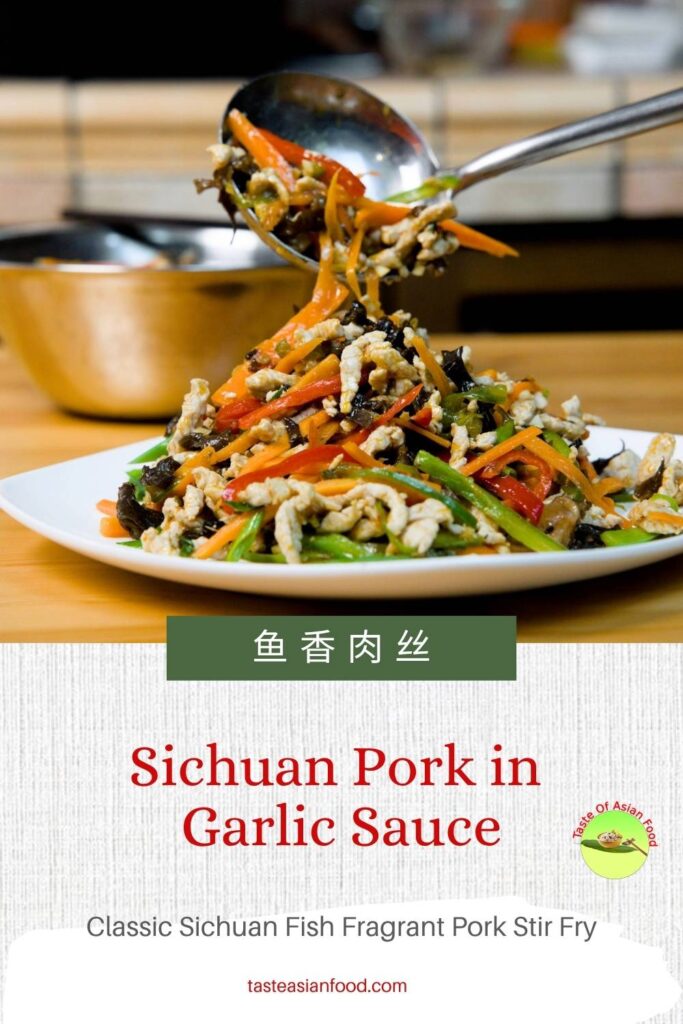
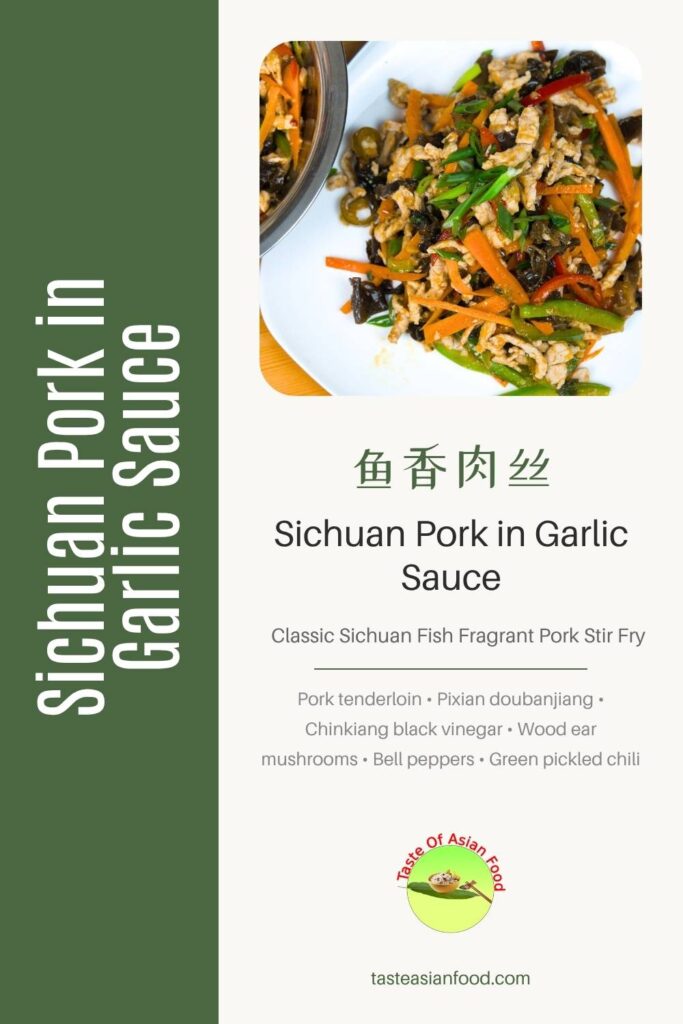
One of Sichuan’s most famous stir-fries, Sichuan Pork in Garlic Sauce (Yuxiang Rousi, 鱼香肉丝), is known for its bold combination of garlic, chili, sweet, sour, and savory flavors. Despite its name, there is actually no fish in this dish.
The term “fish fragrant” refers to the traditional Sichuan seasoning that was originally used to cook fish. Over time, this amazing flavor combination has also been used for pork, chicken, and vegetables.
Most of the ingredients are easy to find in most places. The only seasoning you may need to look for is doubanjiang, the key ingredient that gives this dish its signature flavor. Once you have that, everything else is simple to source. Follow the recipe below, and you can enjoy this popular Sichuan restaurant favorite at home.
Note: This post may contain affiliate links. Please read my privacy policy for more info. I may receive commissions for purchases made through links in this post. As an Amazon Associate, I earn from qualifying purchases.
Content
Note: Click any item to jump straight to that part of the post.
- Why This Recipe Works
- Ingredients Breakdown
- How to Prepare Everything Before Cooking
- Step-by-Step Cooking Instructions
- What I Learned While Making This Dish
- Common Mistakes to Avoid
- Variations
- Serving Suggestions
Why This Sichuan Pork in Garlic Sauce Recipe Works
- A bold and balanced sauce: The fish fragrant sauce brings together savory, sweet, sour, and spicy flavors in the classic Sichuan style. Garlic, ginger, doubanjiang, and black vinegar each play an important role in creating its distinctive taste.
- A great mix of textures: Every bite offers a contrast of textures. The tender pork pairs beautifully with crisp bell peppers, crunchy carrots, and sli;pery wood ear mushrooms, making the dish satisfying and full of variety.
- Ready in minutes: Once all the ingredients are prepared, this stir-fry comes together in less than 10 minutes. It’s perfect for a quick weeknight meal at home, yet full of complex flavor.
- A complete meal in one wok: With tender pork, vegetables, and the “fish-fragrant’ sauce cooked together, this dish is hearty, colorful, and perfect to serve with steamed rice.
Ingredients Summary
- Pork loin or tenderloin: Slice the pork into thin, even matchsticks so it cooks quickly, stays tender, and blends evenly with the vegetables.
- Pixian doubanjiang: This fermented chili broad bean paste is the heart of the dish. It has a spicy and savory flavor and rich red color that make fish-fragrant pork unmistakably Sichuan.
- Local cili jeruk: This is an excellent Malaysian substitute for traditional Sichuan pickled chilies. It contributes the bright sourness and gentle heat that define the fish-fragrant flavor.
- Multicolored bell peppers: Their natural sweetness balances the savory sauce while adding vibrant color and a pleasant crunch.
- Wood ear mushrooms: These mushrooms have a crisp, slightly springy texture that adds another layer of contrast to every bite.
- Chinkiang black vinegar: This dark vinegar has a deep, mellow flavor with a hint of smokiness, balanced by a subtle sweetness and gentle acidity.
How to Prepare Everything Before Cooking
Prepare the Ingredients
Stir-frying moves very quickly, so it is worth taking a few minutes to prepare everything before you turn on the heat. Having all your ingredients ready beside the stove makes the cooking process much smoother.
The Wood Ear Mushrooms
Start by soaking the dried wood ear mushrooms in water for about 20 minutes, or until they are fully hydrated. Once they have expanded, rinse them thoroughly to remove any grit, drain well, then cut them into thin matchsticks.
The Pork
Slice the pork tenderloin into thin slices, then cut each slice into neat matchsticks. Place the pork in a bowl and mix well with the light soy sauce, salt, white pepper, and cornstarch. Once everything is evenly coated, stir in the cooking oil. The oil helps lock in moisture and keeps the pork strips from sticking together when they are stir-fried.
The Vegetables and Aromatics
Cut the red and green bell peppers, along with the carrot, into matchsticks about the same size as the pork. Coarsely chop the garlic and ginger. Separate the green onions into white and green parts. Slice the white portions into thin rings and cut the green portions diagonally into short lengths.
The Sauce
In a small bowl, stir together the black vinegar, light soy sauce, sugar, cornstarch, and water until the sugar and cornstarch have completely dissolved. Set the sauce aside until ready to use.
(Note: You can find the exact measurements for everything in the recipe card below!)
Step-by-Step Cooking Instructions
- Cook the pork: Heat enough oil in a wok over medium heat. Add the marinated pork and stir-fry for 1 to 2 minutes, just until cooked through. Pork tenderloin is very lean, so avoid overcooking it. Transfer the pork to a plate with a slotted spoon and set it aside.
- Build the flavor base: Pour off most of the oil, leaving about 1 tablespoon in the wok. Stir in the garlic, ginger, and the white parts of the green onions until fragrant. Add the doubanjiang and continue stir-frying for 30 seconds to 1 minute, until the oil turns a rich red color and the paste becomes aromatic.
- Add the wood ear mushrooms and sauce: Stir in the wood ear mushrooms and cook for 1 to 2 minutes so they absorb the flavors from the aromatics and doubanjiang. Pour in the prepared sauce, then return the pork to the wok. Stir until the sauce thickens slightly and evenly coats the pork and mushrooms.
- Finish the stir fry: Add the bell peppers, carrot, and chopped pickled chilies. Stir fry over high heat for about 30 seconds, just long enough to keep the vegetables crisp and colorful. Stir in the green parts of the green onions, taste and adjust the seasoning with salt if needed, then serve immediately with steamed rice.
What I Learned While Making This Sichuan Pork in Garlic Sauce
After testing this Sichuan pork recipe several times, I discovered a few simple tips that consistently gave me better results.
- The vegetables are easy to adjust: Bamboo shoots are traditionally used in fish-fragrant pork, but they are not always readily available in Malaysia. I use a little more carrot and bell pepper instead. The dish still has plenty of color, crunch, and the classic fish-fragrant flavor.
- Use enough oil to cook the pork: Because the pork is coated with cornstarch, it can stick to the wok if there is not enough oil. Using a little extra oil helps the pork strips separate easily and cook more evenly. Once the pork is cooked, lift it out with a slotted spoon so the excess oil drains back into the wok.
- Add the bell peppers at the end: Bell peppers only need a short time in the wok. Adding them near the end keeps their bright color and crisp texture. Leave them in too long, and they’ll lose both their freshness and their crunch.
Common Mistakes to Avoid
- Overcooking the pork: Because pork tenderloin is very lean, it can quickly become dry and tough if left in the wok too long. Stir fry it just until cooked through, then remove it from the wok. Return it near the end so it stays tender and juicy.
- Not stir frying the doubanjiang: Stir-fry it with the garlic, ginger, and green onions for 30 seconds to 1 minute, or until the oil turns a rich red color and the paste becomes fragrant. This helps develop its full flavor before the other ingredients are added.
- Cooking the pork and vegetables together: Pork and vegetables cook at different speeds. If everything goes into the wok at once, the vegetables may become soft before the pork is ready, or the pork may overcook while waiting for the vegetables. Cooking them separately lets each ingredient cook properly and keeps the finished dish full of contrasting textures.
Variations and Substitutions
- Chicken or beef: You can replace the pork with chicken thigh, chicken breast, or thinly sliced beef. I prefer chicken thighs because it stays juicy during stir-frying, but all three work well with the same marinade.
- Vegetarian option: Replace the pork with firm tofu and king oyster mushrooms cut into matchsticks. Pan fry the tofu first, so it develops a lightly golden crust and holds its shape during stir-frying.
- Extra spicy version: If you enjoy more heat, add a teaspoon of Sichuan chili oil or a few dried chilies when stir-frying the aromatics. This gives the dish extra heat and a more pronounced chili aroma.
- Skip the bamboo shoots: If bamboo shoots are difficult to find or simply aren’t your favorite, leave them out and use a little more carrot or bell pepper instead. You’ll still have plenty of color and crunch.
Serving Suggestions
- Steamed jasmine rice: Sichuan Pork in Garlic Sauce is best enjoyed with steamed jasmine rice. The savory, slightly spicy sauce is perfect for spooning over rice, which is why this is a favorite way many Chinese families enjoy it at home.
- Stir-fried vegetables: A simple bok choy stir-fry adds freshness and a lighter contrast to the bold flavors of the pork. Fresh greens or lightly seasoned vegetables pair especially well with this flavorful stir-fry.
- ABC soup: A bowl of warm ABC soup is a comforting addition to complete the meal. Its light and slightly sweet flavors balance the rich and savory pork dish.
- Tomato egg stir fry: This simple egg dish is quick to prepare and is a popular everyday home-cooked meal. It pairs beautifully with rice and complements the bold flavors of the fish-fragrant pork.

Sichuan Pork in Garlic Sauce (Fish Fragrant Pork)
Make Sichuan pork in garlic sauce, a classic fish fragrant pork stir fry with tender pork, doubanjiang, black vinegar, garlic, and bold Sichuan flavors.
Ingredients
Pork Marinade
- 350g pork tenderloin, sliced into matchsticks
- 1 tsp light soy sauce
- 1 generous pinch white pepper
- 1/2 tsp salt
- 1 tsp cornstarch
- 1 tsp cooking oil
Vegetables
- 1/2 red bell pepper, sliced into matchsticks
- 1/2 yellow or green bell pepper, sliced into matchsticks
- 1 small carrot, sliced into matchsticks
- 10g dried wood ear mushrooms, soaked and sliced into strips
- 2 tbsp green pickled chili, chopped
Aromatics
- 1 tbsp garlic, finely minced
- 1 tbsp ginger, finely minced
- 3 stalks scallions, white and green parts separated
Fish-Fragrant Sauce
- 2 tbsp Pixian doubanjiang
- 1 tbsp Chinkiang black vinegar
- 1 tbsp light soy sauce
- 2 tsp sugar
- 1/2 tsp salt
- 1 tsp cornstarch
- 3 tbsp water
Instructions
- Soak the dried wood ear mushrooms until expanded. Rinse, drain, and slice into strips. Prepare all vegetables and aromatics before cooking.
- Marinate the pork with light soy sauce, white pepper, salt, and cornstarch. Mix well, then add cooking oil and combine.
- Mix all sauce ingredients in a small bowl until the sugar and cornstarch dissolve.
- Heat oil in a wok over medium heat. Stir fry the pork for 1 to 2 minutes until just cooked. Remove and set aside.
- Leave about 1 tbsp of oil in the wok. Stir fry garlic, ginger, and the white parts of scallions until fragrant. Add doubanjiang and stir fry until the oil turns red and aromatic.
- Add wood ear mushrooms and stir-fry briefly. Pour in the sauce and return the pork to the wok. Stir until the sauce thickens and coats the pork.
- Add bell peppers, carrot, and pickled chili. Stir fry over high heat for about 30 seconds to keep the vegetables crisp.
- Add the green parts of scallions, toss everything together, adjust seasoning if needed, and serve hot with steamed rice.
Recommended Products
As an Amazon Associate and member of other affiliate programs, I earn from qualifying purchases.
-
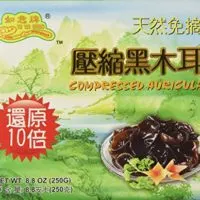 Premium Dried All Natural Compressed Chinese Auricularia Black Fungus Mushroom (Black Wood Ear Mushroom) - 8.8 Oz -- 10 Times Volume Yield After Soaking
 -
 TBWHL Skimmer Slotted Spoon, Heavy Duty 304 Stainless Steel Slotted Spoon with Vacuum Ergonomic Handle, Comfortable Grip Design Strainer Ladle for Kitchen, 14.96 Inches
 -
 Cooks Standard 02591 Flat Bottom with Lid 11-Inch Hard Anodized Nonstick Wok Stir Fry Pan, Black
Nutrition Information:
Yield: 3 Serving Size: 1Amount Per Serving: Calories: 256Total Fat: 7gSaturated Fat: 2gUnsaturated Fat: 5gCholesterol: 84mgSodium: 1322mgCarbohydrates: 16gFiber: 2gSugar: 6gProtein: 32g
This data was provided and calculated by Nutritionix on 7/11/2026
KP
Sunday 12th of July 2026
Hi, this is KP Kwan. Thank you for reading my recipe. Please feel free to ask any questions or leave comments. I’ll respond as soon as possible.