
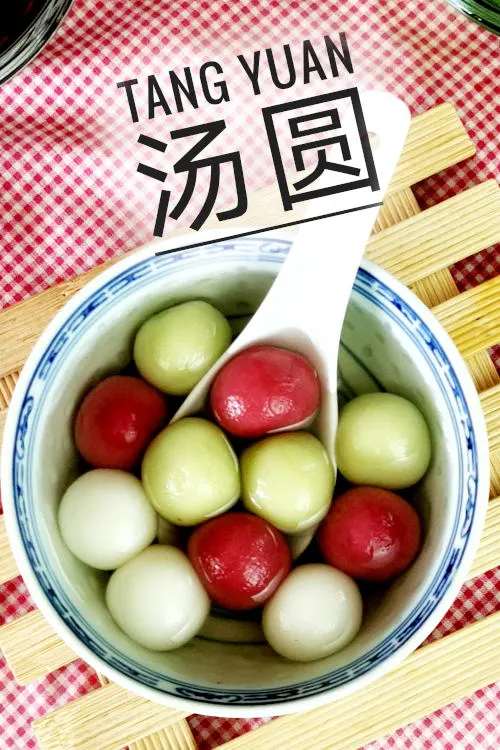
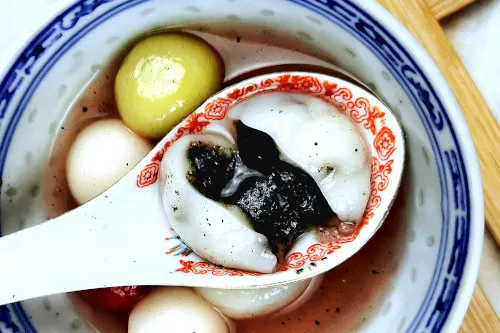
Tang Yuan (汤圆) is a traditional Chinese glutinous rice dumpling commonly served during the Winter Solstice (冬至) and the Lantern Festival (元宵节), marking family reunion, harmony, and completeness. In the past, almost every Chinese household would gather to make Tang Yuan together, from children to elders, turning the process itself into a meaningful family ritual.
Tang Yuan can be made plain or filled with sweet pastes such as black sesame, peanut, or red bean. In this recipe,
I share both versions, using natural coloring and a ginger-infused syrup to create soft, chewy dumplings with a mochi-like texture, perfect for serving hot during cooler weather.
This recipe is part of my Chinese New Year dessert collection. You may also explore the full festive guide here: 👉 Chinese New Year Recipes Hub
Note: This post may contain affiliate links. Please read my privacy policy for more info. I may receive commissions for purchases made through links in this post. As an Amazon Associate, I earn from qualifying purchases.
Making Tang Yuan: Simple Yet Detailed
At its core, Tang Yuan requires only two basic steps:
- Making the glutinous rice dough balls
- Serving them in a ginger-infused syrup
To elevate the dish, you can color the dough naturally and add a sweet filling. I made both versions this year, and here are the details.
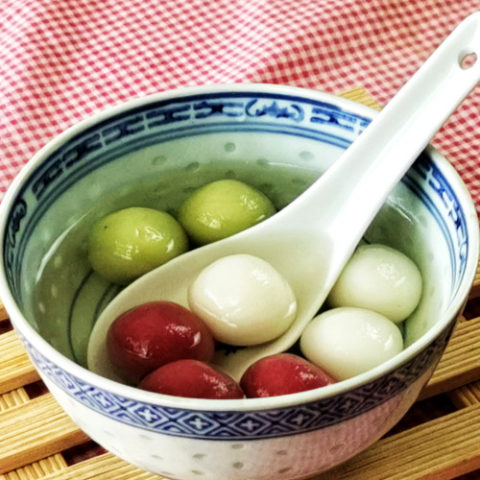
Tang Yuan - How to make sweet dumplings served with ginger syrup
Tang Yuan (glutinous rice balls) is sweet dumpling desserts serve during the winter solstice. This is a detailed recipe for this dessert.
Ingredients
For the dough (30 dumplings, half with fillings) A:
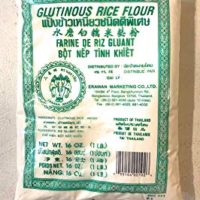
- 200 glutinous rice flour
- 70ml hot water
- 70ml cold water (See note)
For the sesame filling (for 15 dumplings) B:
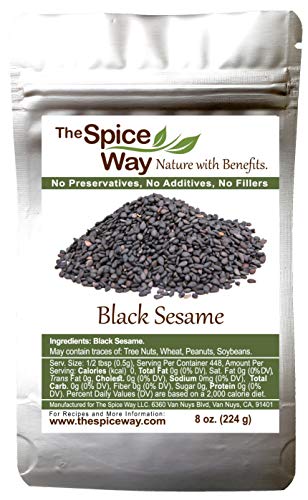
- 40g black sesame seeds
- 20g sugar
- 25g butter
For the syrup C:
- 1L water
- 100g sugar
- 35g ginger
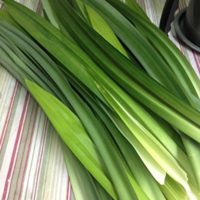
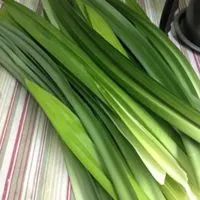
- 2 pandan leaves
Instructions
1. Prepare the Tang Yuan Dough
Tang Yuan dough is made from glutinous rice flour and water.
- Measure the required amount of glutinous rice flour into a large mixing bowl.
- Add boiling water to the flour and knead gently. The hot water partially cooks the flour, which helps prevent the dough from crumbling during shaping.
- Once the flour has absorbed all the hot water, add cold water gradually and continue kneading until the dough becomes soft, smooth, and malleable, similar to plasticine.
- Roll the dough into small balls (mine are about 12g each) if making plain Tang Yuan, or keep the dough covered with a damp cloth if you plan to wrap filling later.
Notes on Dough Preparation
- The amount of water required is slightly more than half the weight of the flour. I use 200g glutinous rice flour and 140ml total water, with half of it being boiling water.
- Glutinous rice flour does not form an elastic dough like wheat flour. It is naturally crumbly, so there is a temptation to add more water. However, too much water will make the dough too soft, causing Tang Yuan, especially filled ones, to lose their shape or burst.
- Tang Yuan dough is freezer-friendly. Wrap it tightly in plastic wrap and store it in an airtight container. Thaw and return it to room temperature before use.
2. Make Multi-Colored Tang Yuan with Natural Ingredients
Tang Yuan is not only delicious but also visually appealing.
The simplest way to make colorful Tang Yuan is by adding food coloring. However, a more traditional and natural approach is to use plant-based juices. I made green and red Tang Yuan using pandan leaves and beetroot, resulting in a beautiful bowl of shiny, jewel-like dumplings.
How to Make Natural Coloring
Green (Pandan Juice)
- Cut 2–3 pandan leaves into 1-inch sections
- Blend with ½ cup water
- Strain through a fine mesh to extract the juice
Red (Beetroot Juice)
- Cut the beetroot into small cubes
- Blend with enough water to allow the cubes to swirl
- Strain to obtain the juice
To make colored Tang Yuan, replace the cold water used in the dough with the prepared juice.
Notes
- You can also make yellow or purple Tang Yuan using mashed pumpkin or purple sweet potato, though I did not include them this time as I was working alone.
3. Prepare the Ginger-Infused Syrup
Tang Yuan is traditionally served in a ginger-scented syrup, which provides warmth and balance to the chewy rice balls.
- Bring 1 liter of water to a boil.
- Add bashed ginger, pandan leaves, and sugar.
- Let it boil for about five minutes.
- Strain the syrup to remove the solids and set aside.
Notes
- Bashing the ginger helps release its aroma more effectively.
- Old ginger has a stronger flavor than young ginger.
- Adjust the sugar to your preferred sweetness. You may use white sugar, brown sugar, or palm sugar.
- For a floral note, you may add a teaspoon of dried osmanthus while boiling.
4. Prepare the Sesame Filling (Optional)
If you prefer filled Tang Yuan, black sesame and groundnut are the most common choices. In this recipe, I made black sesame filling.
- Toast the black sesame seeds over low heat until dry and fragrant.
- Transfer the seeds to a blender and grind them into a paste.
- Add caster sugar and butter, then mix well.
- Shape the paste into small balls and freeze until firm.
- Flatten a piece of dough into a circle, place the frozen filling in the center, and carefully wrap and seal.
Notes on Filling
- Be careful not to burn the sesame seeds; they toast quickly. Properly toasted seeds will plump up and crush easily when pressed.
- Use caster sugar, not coarse sugar, so it melts completely during cooking.
- Traditional recipes use lard; butter is a suitable substitute.
- The amount of fat determines the filling texture: less fat creates a thick paste, more fat creates a molten center.
- The dough-to-filling ratio is important. I use 5g filling to 12g dough to prevent bursting.
- Freezing the filling makes wrapping much easier.
5. Cook and Serve the Tang Yuan
- Bring a pot of water to a rolling boil.
- Gently drop the Tang Yuan into the water.
- Stir gently during the first 30 seconds to prevent sticking.
- The Tang Yuan are cooked once they float to the surface.
- For filled Tang Yuan, cook for one additional minute to ensure the sugar inside has melted.
- Transfer them to cold water if not serving immediately, or place them directly into the hot ginger syrup and serve.
Notes
- Tang Yuan can be made in advance and frozen. Freeze them on a tray first, then transfer to a freezer bag.
- Cook frozen Tang Yuan directly from the freezer. They will simply take longer to float.
Recommended Products
As an Amazon Associate and member of other affiliate programs, I earn from qualifying purchases.
Nutrition Information:
Yield: 30 Serving Size: 1Amount Per Serving: Calories: 1170Total Fat: 4gSaturated Fat: 1gTrans Fat: 0gUnsaturated Fat: 2gCholesterol: 2mgSodium: 65mgCarbohydrates: 252gFiber: 12gSugar: 5gProtein: 24g
This data was provided and calculated by Nutritionix on 12/20/2021. The calculation includes the ginger syrup.
Why This Tang Yuan Recipe Works
- Hot-then-cold water dough method
Using boiling water first partially cooks the glutinous rice flour, making the dough smoother, less crumbly, and easier to shape without cracking. - Balanced dough-to-filling ratio
Keeping the filling light prevents the Tang Yuan from bursting while cooking and ensures a neat, round shape. - Natural coloring without additives
Pandan and beetroot juice provide a gentle color without affecting the texture or flavor of the dough. - Frozen filling for easier wrapping
Chilling the sesame filling firms it up, making it much easier to encase cleanly inside the dough. - Ginger-infused syrup for contrast
The warm, aromatic ginger syrup balances the sweetness and enhances the overall flavor, especially when served hot.
Related Chinese New Year Desserts You May Enjoy
Tang Yuan is an essential festive dessert, especially during the Winter Solstice (冬至) and the Lantern Festival (元宵节). If you enjoy making traditional Chinese treats at home, you may also like these popular Chinese New Year desserts:
- Jian Dui (Sesame Balls) – Crispy on the outside, chewy on the inside, and filled with sweet paste.
- Nian Gao (Chinese New Year Cake) – A symbolic dessert representing growth, prosperity, and success in the coming year.
KP Kwan
Monday 20th of December 2021
Hi, this is KP Kwan. I am happy to see you in this comment area, as you have read through my recipe. I am glad to reply to any questions and comments as soon as possible.