
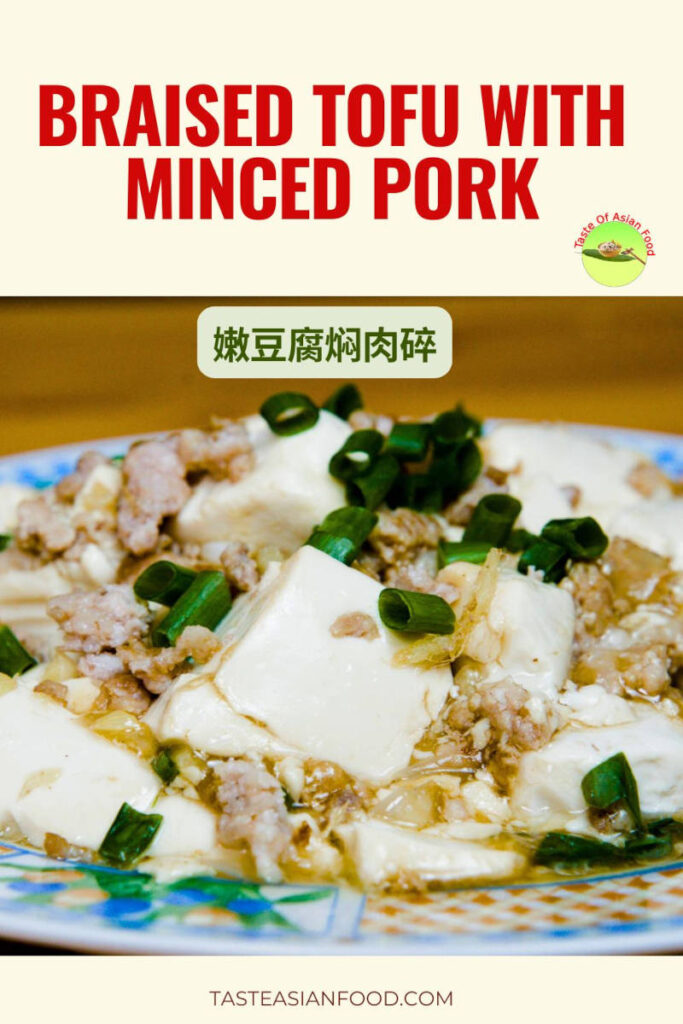
Today I want to share a simple Cantonese braised tofu with minced pork. It is an easy dish, but it comes with a built-in challenge.
The tofu I am using is soft silken tofu because I want that smooth, delicate, melt-in-your-mouth texture. For this recipe, I will not use firm tofu because that silky mouthfeel is exactly what I am after.
The problem is that silken tofu is extremely fragile. It tends to break apart very easily during cooking, no matter how careful or gentle you are when stirring.
It was not until I learned about soaking or briefly blanching the tofu in salted water beforehand that I found a solution. This simple step helps firm up the exterior of the tofu, making it much more resistant to breaking when you flip or move it during cooking.
With that in mind, I ran a simple test to compare the results and found that it worked very well.
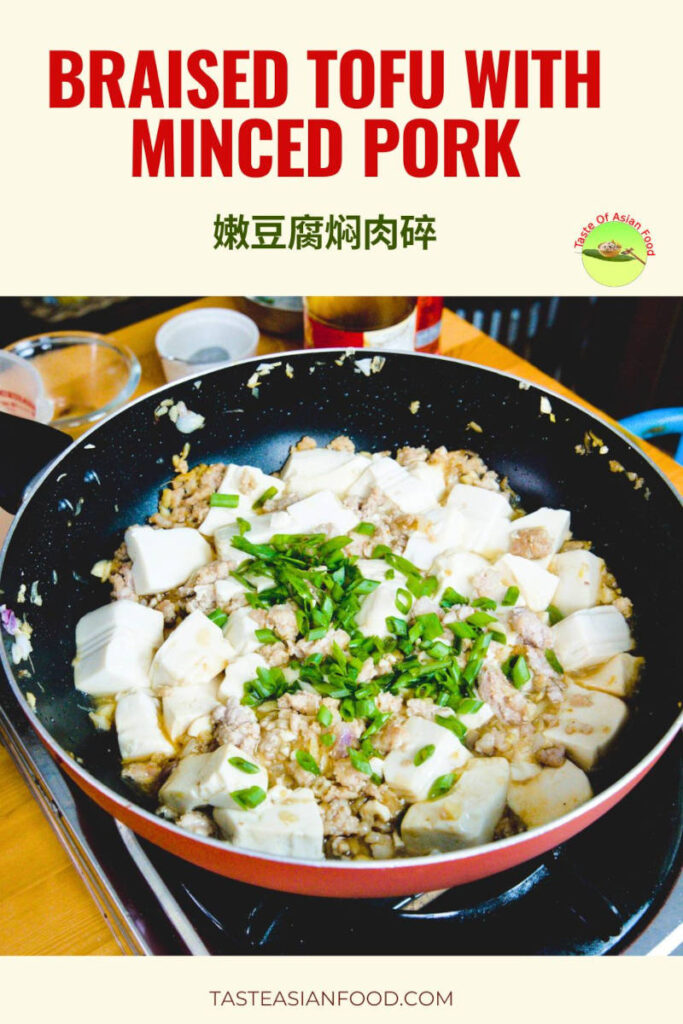
In this article, I will share a simple method to help soft tofu hold its shape during cooking, followed by a recipe for braised tofu with minced pork. This method helps solve the common problem of tofu breaking apart during cooking.
Before getting into the details of why this works and the test results, let us go straight to the recipe.
Content
Note: Click any item to jump straight to that part of the post.
- Why This Recipe Works So Well
- Step-by-Step Instructions
- How Salted Water Enhances Structure and Seasoning in Silken Tofu
- Soaking vs Blanching Silken Tofu: A Simple Test
- A Few Helpful Tips from My Kitchen
Note: This post may contain affiliate links. Please read my privacy policy for more info. I may receive commissions for purchases made through links in this post. As an Amazon Associate, I earn from qualifying purchases.
Why This Recipe Works So Well
- Salt Water Blanching the Tofu. Soft tofu is used for its smooth, silky texture. Briefly boiling it in salt water helps draw out excess moisture, gently firming it up so it holds its shape during cooking and does not break easily.
- Building Flavor on a “Blank Canvas”. Tofu acts like a sponge, so lightly pan-frying it with a touch of light soy sauce first helps create a deeper base flavor before adding the minced pork.
- Minced Pork for Contrast. The minced pork adds umami, texture, and richness, creating a nice contrast with the soft tofu and making each bite more interesting.
- Aromatics for Depth. Garlic and ginger bring fragrance and warmth, lifting the overall flavor of the dish.
- Simple Cantonese Seasoning. A combination of light soy sauce, sesame oil, white pepper, and a splash of Shaoxing wine keeps the dish flavorful but still balanced and not overpowering.
- Green Onion for Finish. Green onions add a fresh aroma and a pop of color, finishing the dish on a light and vibrant note.
Step-by-Step Instructions
This is a detailed step-by-step explanation. A simplified version is included in the recipe card.
- Prepare the Tofu.
- Remove the silken tofu from the packaging and place it gently onto a plate. Let it sit undisturbed for about 15 minutes to allow excess water to slowly release from inside the tofu. This step helps remove part of the internal moisture and makes the tofu slightly firmer and easier to handle.
- After draining, carefully cut the tofu into cubes about one inch in size, or slightly larger if preferred. Handle the tofu gently to avoid breaking it.
- Blanch Tofu.
- Bring a pot of water to a boil. Add salt at a ratio of about two teaspoons per one liter of water. Stir until the salt is fully dissolved and the water returns to a steady boil.
- Gently place the tofu cubes into the boiling salted water. Keep the heat at medium and allow the tofu to blanch for about three to five minutes. This step helps firm up the outer surface of the tofu, making it more resistant to breaking during cooking.
- Cool and Drain. Carefully remove the tofu from the water using a strainer or slotted spoon. Place the tofu in a single layer on a flat surface or plate and allow it to cool slightly. This also helps any excess water drain off.
- Cook Minced Pork.
- Use store-bought minced pork or mince it yourself at home. Make sure it is ready before you start cooking.
- Add cooking oil to a pan and heat it over medium heat until hot.
- Add the minced pork to the pan. Spread it out into a single layer and let it sear undisturbed for a short while to develop more flavor. Then flip or stir it to continue cooking. During this process, season the pork with salt and ground white pepper.
- Add Aromatics. If your pan is large enough, push the cooked pork to one side. Add the minced garlic, minced ginger, and the white part of the green onion into the space and sauté until fragrant. If the pan is not large enough, remove the pork first, leaving the oil behind, and use the same oil to sauté the garlic, ginger, and green onion whites.
- Prepare Sauce. In a small bowl, combine oyster sauce, light soy sauce, sugar, ground white pepper, and some water. Mix well until fully combined.
- Combine the sauce and Pork.
- Pour the prepared sauce into the pan and mix it thoroughly with the minced pork and aromatics.
- Gently return the blanched tofu to the pan. Place the tofu carefully on top of the mixture. Try not to flip or stir it too much, as the tofu is still delicate.
- Allow the tofu to braise together with the minced pork. If needed, add a small amount of extra water to maintain some sauce. Instead of stirring, gently push the tofu with a spatula to move it slightly and prevent sticking, which helps minimize breakage.
- When the liquid in the pan starts to reduce, prepare a slurry by mixing one tablespoon of cornstarch with two tablespoons of cold water. Pour the slurry into the pan and let the sauce thicken.
- Finish the dish.
- Once the sauce has thickened, add sesame oil and the green part of the chopped green onions. Gently mix everything without breaking the tofu.
- Transfer the dish carefully onto a serving plate. Garnish with additional chopped green onions on top and serve.
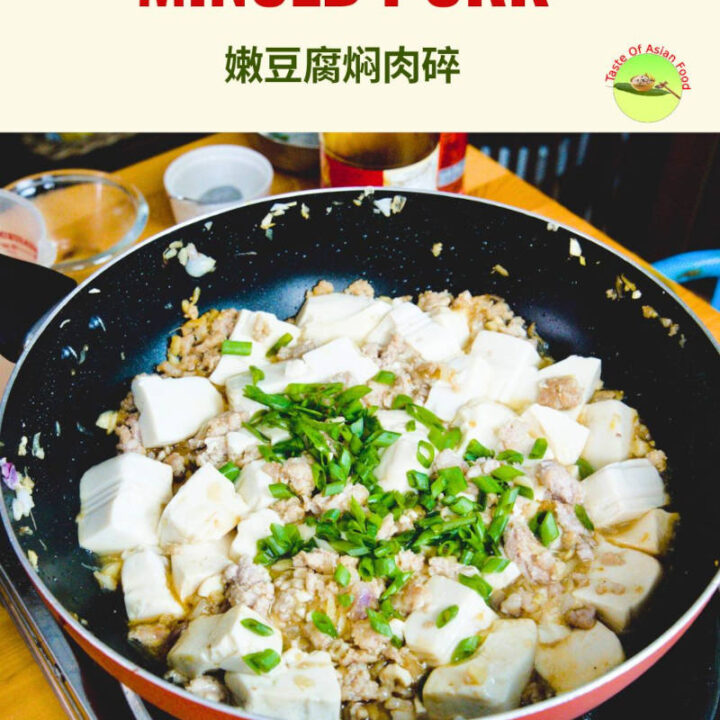
Braised tofu with minced pork - A silken tofu recipe
A classic Cantonese-style Braised Soft Tofu with Minced Pork is the perfect way to use the salt-water soaking technique. This dish relies on a silky texture and a deeply savory, non-spicy sauce that lets the natural flavors of the ingredients shine.
Ingredients
- 2 blocks of silken tofu
- 200 g minced pork
- 3 cloves garlic, minced
- 1 tbsp ginger, minced
- 2 stalks green onion, separated into white and green parts, chopped
- 1.5 tablespoon oyster sauce
- 1.5 tablespoons light soy sauce
- 1/2 teaspoon sugar
- 1/4 teaspoon ground white pepper
- 1 teaspoon sesame oil
- 1/2 tablespoon cornstarch
- 2 tablespoons water (for slurry)
- 1 to 2 tablespoons cooking oil
- Salt, as needed
- Water, as needed (for sauce and blanching)
Instructions
- Let tofu sit on a plate for 15 minutes, then cut into cubes.
- Boil salted water and blanch tofu for 3 to 5 minutes. Remove and let cool.
- Heat oil, add minced pork, spread into a single layer, then sear and season with salt and white pepper.
- Add garlic, ginger, and green onion whites, then sauté until fragrant.
- Mix the sauce ingredients and pour into the pan. Combine with pork.
- Gently place tofu into the pan. Avoid excessive stirring.
- Let the tofu simmer with the pork. Add a little water if needed and gently move the tofu with a spatula.
- Add cornstarch slurry and cook until the sauce thickens.
- Add sesame oil and green onion greens, then lightly mix.
- Transfer to a plate and garnish with more green onions.
Recommended Products
As an Amazon Associate and member of other affiliate programs, I earn from qualifying purchases.
-
 Cooks Standard 02520 Quart Classic Stainless Steel Stockpot with Lid, 12-QT, Silver
 -
 SENSARTE Nonstick Skillet, Deep Frying Pan 10/11/12-inch, Saute Pan with Lid, Stay-cool Handle, Healthy Stone Cookware Cooking Pan, Induction Compatible (10-Inch/3.5QT)
 -
 IPOW IP01115 Stainless Steel Fine Tea Mesh Strainer Colander Sieve with Handle for Kitchen Food Rice Vegetable, Set of 3
Nutrition Information:
Yield: 3 Serving Size: 1Amount Per Serving: Calories: 312Total Fat: 21gSaturated Fat: 5gUnsaturated Fat: 16gCholesterol: 59mgSodium: 734mgCarbohydrates: 7gFiber: 1gSugar: 2gProtein: 25g
This data was provided and calculated by Nutitionix on 4/30/2026
How Salted Water Enhances Structure and Seasoning in Silken Tofu
Boiling soft tofu in salted water before stir-frying might seem counterintuitive to put something wet into a pan, but it solves two of the biggest challenges when working with soft or silken tofu: texture and seasoning.
Here is why it works and how to do it effectively:
- Firm Up the Tofu: The salt draws out a small amount of moisture from the surface of the tofu cubes. This slightly tightens the exterior, making the cubes less likely to crumble or fall apart when you toss them in the wok or pan.
- Seasoning from the Inside Out: Because soft tofu has a high water content, soaking or boiling it in brine allows the salt to penetrate deep into the tofu, ensuring it doesn’t taste flat when you bite into the center.
Soaking vs Blanching Silken Tofu: A Simple Test
I ran a simple test by dividing the tofu into three portions.
- The first portion was left untreated. I simply cut it into cubes and stir-fried it.
- The second portion was soaked in 1% salt water, which is 5g of salt in 500ml of water, for 15 minutes.
- The third portion was blanched in the same salted water, but only for three minutes.
The results were very clear. The tofu that was blanched for three minutes gave the best result. It held its shape well and did not break apart, even when I flipped it in the wok or gently pierced it with a fork.
For this recipe, I am using the three-minute blanching method, as it produces tofu that is much easier to handle while still keeping its smooth and silky texture.
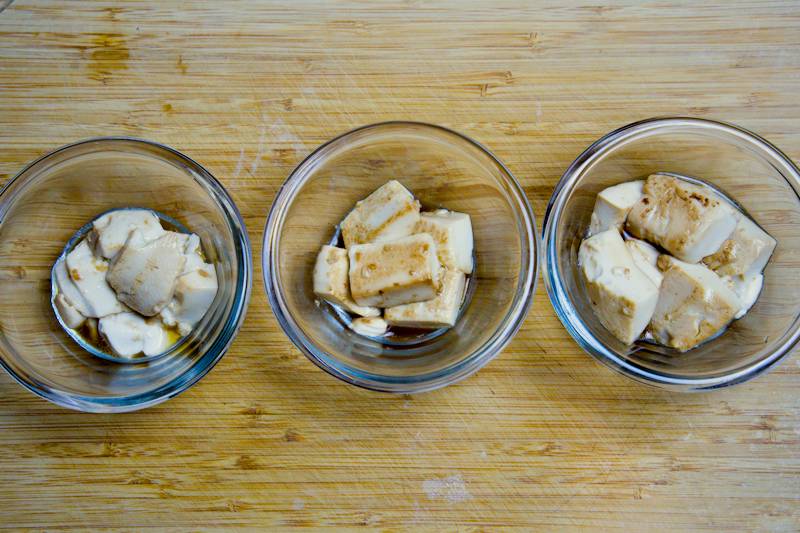
Middle: Soaked in salt water for 15 minutes
Right: Blanched in salt water for 3 minutes
The results show that the one blanched in salt water performs the best. It holds its shape well, and I can even use a fork to poke it without it breaking.
A Few Helpful Tips from My Kitchen
I have cooked this dish a few times, and along the way, I picked up a few small tips that really make a difference. Just sharing them here in case they help you too.
- Do Not Skip the Blanching Step. Blanching the silken tofu in salted water is really important. It gently firms up the outer layer so the tofu is easier to handle, while the inside stays soft and tender.
- Firm Tofu Is an Option. If you prefer, you can use firm tofu and skip the blanching step. It will be easier to cook, but you will not get the same smooth and silky texture that makes this dish special.
- Best Served Immediately. This dish is best eaten right after cooking. Silken tofu will continue to release water once it is on the plate, so if it sits for too long, you may notice more liquid than expected.
- Slightly Thicker Sauce Works Better. It helps to thicken the sauce a little more than usual with cornstarch. This is because the tofu will release extra moisture later, and a slightly thicker sauce helps maintain a better consistency.
- Try a Different Flavor Style. If you want a change from the Cantonese-style flavor, you can go for a Szechuan-style version. Use chili oil instead of regular oil, and replace the soy sauce and oyster sauce with chili bean paste, also known as doubanjiang.
- Alternative to Pork. If you prefer not to use pork, you can easily substitute it with ground beef or chicken. It works just as well.
Hi, this is KP Kwan. I am happy to see you at this comment area, as you have read through my recipe. I am happy to reply any questions and comments as soon as possible.