
The Lion’s Mane mushroom has always fascinated me, but it was a recent journey that truly deepened my appreciation for it. I actually sourced these beautiful mushrooms in Hong Kong while traveling from Malaysia.
In Hong Kong’s vibrant markets, this once-rare delicacy is now much more accessible, making it the perfect plant-based alternative for those who crave a “meaty” texture. Today, I’m sharing how to turn these mushrooms into a classic Cantonese stir-fry with Green beans and Wood Ear fungus. It’s an easy dish, but it does require careful technique to make sure the mushrooms don’t turn soggy. Instead, they should be perfectly seared, with a rich, savory flavor.
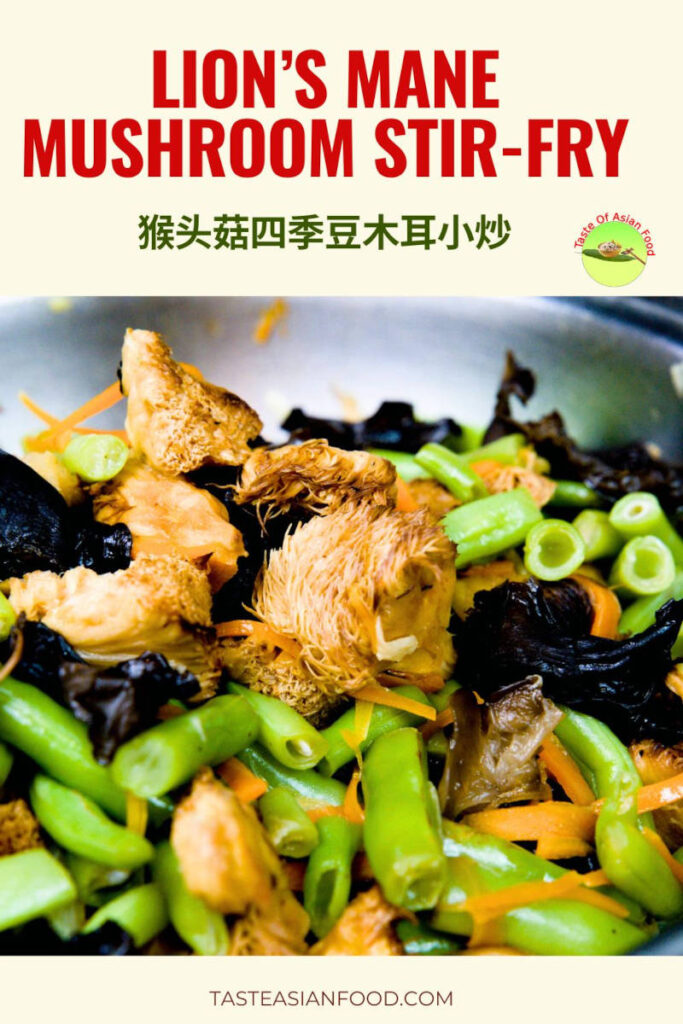
From Hong Kong Markets to My Kitchen
I chose to purchase my Lion’s Mane and Wood Ear in Hong Kong while en route to Guizhou because I wanted to ensure I had high-quality ingredients ready for the kitchen. In Cantonese cooking, Lion’s Mane is prized for its shaggy appearance and its remarkable ability to mimic the texture and flavor of seafood or tender meat.
Content
Note: Click any item to jump straight to that part of the post.
- Why these ingredients matter
- Why This Recipe Works: The Trio of Textures
- Step-by-Step Instructions
- A Few Little Secrets for the Best Results
- What to Look For as You Cook
- A Savory Twist: Adding Minced Pork
- Frequently Asked Questions: Common Questions & Little Fixes
- What to Serve on the Side
Note: This post may contain affiliate links. Please read my privacy policy for more info. I may receive commissions for purchases made through links in this post. As an Amazon Associate, I earn from qualifying purchases.
Why these ingredients matter
- Lion’s Mane Mushrooms: Beyond its popularity among vegetarians, it is a staple in traditional Chinese wellness. It acts like a sponge, soaking up every drop of the savory stir-fried sauce.
- Wood Ear Fungus: I picked this up alongside the mushrooms to provide a gelatinous, “crunchy” contrast to the meatiness of the Lion’s Mane.
- Accessibility: Prices have become much more reasonable lately, making this a great time to experiment with these traditional ingredients at home.
Why This Recipe Works: The Trio of Textures
In Cantonese cooking, a truly successful stir-fry isn’t just about salt and spice; it’s about the harmony of color, aroma, and mouthfeel. This combination of Lion’s Mane Mushrooms, Green beans, and Wood Ear Fungus works so well because it hits three distinct sensory notes:
- Lion’s Mane Mushrooms: This is our “flavor sponge.” Due to its intense, slightly sweet umami profile and fibrous, meaty texture, it offers a satisfying bite that is very similar to that of meat. It carries the weight of the sauce and gives the recipe its heartiness.
- Green Beans: The beans provide the essential visual contrast with their vibrant green hue. Beyond the color, they offer a “tender-crisp” mouthfeel that breaks up the richness of the mushrooms.
- Wood Ear Fungus: While it is mild in taste, it introduces a completely different texture: slippery, slightly gelatinous, and snappy.
By combining these three, you aren’t just eating a plate of vegetables; you are experiencing a deliberate contrast of meaty, snappy, and slippery textures that keep every bite interesting.
Step-by-Step Instructions
Preparation
1. Prepare the Lion’s Mane Mushroom
- Clean the lion’s mane mushroom by gently wiping it with a clean, dry cloth. Avoid washing it under running water, as it tends to absorb moisture easily.
- Once cleaned, tear the mushroom into bite-sized pieces by hand. Do not use a knife, as tearing helps preserve its natural texture and allows it to absorb sauce more effectively later.
2. Prepare the Green Beans and Wood Ear Fungus
- Rinse the green beans thoroughly. Snap off both ends of each bean, then cut them into short sections, about 2 to 3 cm in length.
- Place the dried wood ear fungus in a bowl. Add room temperature water and soak for about 15 minutes, or until the fungus is fully expanded and hydrated. Once rehydrated, transfer it to a colander, drain well, and set aside.
3. Prepare the Aromatics and Carrot
- Peel the garlic and slice it thinly. Peel the ginger and cut it into thin slices as well.
- Next, take the carrot, peel it, and cut it into fine julienne strips.
5. Prepare the Stir-Fry Sauce
- In a small bowl, combine vegetarian oyster sauce, light soy sauce, sugar, white pepper, cornstarch, and water.
- Mix thoroughly until the cornstarch is fully dissolved and the sauce is smooth. Set aside for later use.
Cooking Process
1. Blanch the Green Beans
- Bring a pot of water to a rolling boil. Add the green beans and blanch them briefly until they reach a crisp-tender texture. (about 2-3 minutes)
- Immediately remove the beans and plunge them into cold water to stop the cooking process.
- Drain the beans using a colander. Set aside.
2. Dry-Fry the Lion’s Mane Mushroom
- Heat a pan over high heat without adding any oil or water.
- Add the torn lion’s mane mushroom to the hot pan and stir-fry continuously. As it cooks, moisture will begin to release from the mushroom, and you will notice vapor rising.
- Continue stir-frying until the mushroom shrinks slightly, becomes drier, and develops a light golden-brown color.
- Remove the mushroom from the pan and set aside.
8. Start stir-frying
- Add cooking oil and heat over low heat. Add the sliced garlic and ginger, gently sautéing until fragrant. Keep the heat low so as not to burn them.
- Add the blanched green beans and julienned carrot to the pan. Stir-fry briefly to combine.
- Return the dry-fried lion’s mane mushroom to the pan. At this stage, the mixture may appear quite dry due to the earlier dry-frying process.
- Give the prepared stir-fry sauce a quick stir, then pour it into the pan. Mix everything thoroughly. The mushroom will begin to absorb the sauce quickly. If the mixture still appears too dry, add a small amount of hot water to help form a light coating sauce.
- Once there is sufficient moisture and the sauce is evenly coating the ingredients, add the hydrated wood ear fungus. Stir well to combine everything evenly.
- Continue stirring briefly until all ingredients are well combined and heated through. Once done, remove from heat. Serve hot with plain rice, or enjoy it on its own as a light, healthy vegetable dish in classic Cantonese style.
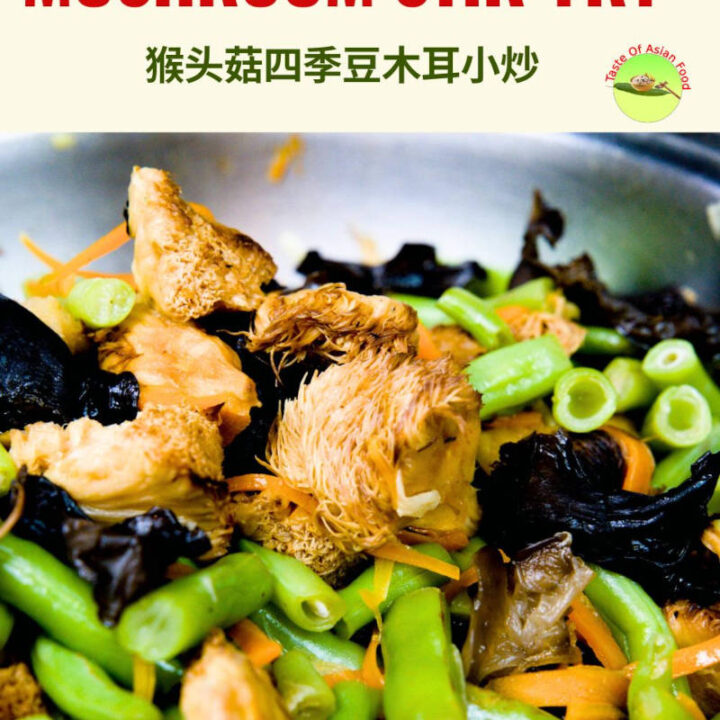
Lion’s Mane Mushroom Stir-Fry with Green Beans
Learn how to cook Lion’s Mane mushrooms in a classic Cantonese stir-fry with green beans and wood ear fungus.
Ingredients
- 70g Lion’s mane mushroom
- 400g green beans
- 80g dried wood ear fungus
- 3 cloves garlic
- ½ inch ginger
- 1 small carrot
- 2 tbsp vegetarian oyster sauce
- 2 tbsp light soy sauce
- 1 tsp sugar
- ¼ tsp white pepper
- 1 tsp cornstarch
- ¼ cup water
- 2–3 tbsp cooking oil
Instructions
- Prepare ingredients. Wipe lion’s mane mushroom clean and tear into bite-sized pieces. Trim and cut green beans into short sections. Soak wood ear fungus until fully expanded, then drain. Slice garlic and ginger. Julienne the carrot.
- Make the sauce. Mix oyster sauce, light soy sauce, sugar, white pepper, cornstarch, and water until smooth. Set aside.
- Blanch green beans. Boil until crisp-tender, then transfer to cold water. Drain well.
- Dry-fry mushroom. Heat a pan without oil. Stir-fry lion’s mane mushroom until the moisture evaporates, slightly browned, and dry. Remove.
- Sauté aromatics. Heat the oil over low heat. Add garlic and ginger, cook until fragrant.
- Stir-fry vegetables. Add green beans and carrots. Toss briefly.
- Combine ingredients. Return mushroom to the pan. Pour in the sauce and mix well. Add a little hot water if needed to form a light sauce.
- Add wood ear fungus. Stir in and cook until everything is well combined and heated through.
- Serve. Serve hot with rice or as a side dish.
Nutrition Information:
Yield: 3 Serving Size: 1Amount Per Serving: Calories: 85Total Fat: 1gSaturated Fat: 0gUnsaturated Fat: 0gSodium: 899mgCarbohydrates: 19gFiber: 6gSugar: 8gProtein: 4g
This data was provided and calculated by Nutitionix on 4/27/2026
A Few Little Secrets for the Best Results
Through making this dish many times, I’ve noticed a few small details that make a big difference. These aren’t “rules,” but rather some helpful observations I’ve picked up that really help the textures shine.
1. Why I Always Tear the Mushrooms by Hand
It might seem easier to use a knife, but I’ve found that tearing the Lion’s Mane into pieces actually gives a much better result. When you tear them, you’re following the natural “threads” of the mushroom. A knife can sometimes crush those fibers, making the mushroom feel a bit tough or rubbery. Tearing keeps it light and fluffy, almost like crab meat, and all those jagged edges are perfect for catching the sauce.
2. The Magic of a Dry Pan
One thing that surprised me when I first started cooking with these is that they actually do better if you don’t add oil right away. Since Lion’s Mane mushrooms are like little sponges, they hold a lot of moisture. If you toss them into a dry, hot pan first, you’ll see the vapor rising, and that’s just the excess water leaving. Once they’ve dried out a bit and turned a nice golden color, they become much better at soaking up the flavors later on.
3. Keeping the Beans Bright and Snappy
To get that beautiful contrast between the soft mushroom and the crunchy bean, I like to give the French beans a quick “bath” in boiling water first, followed by a dip in cold water. This keeps them looking vibrant and ensures they are tender but still have a satisfying snap when you bite into them.
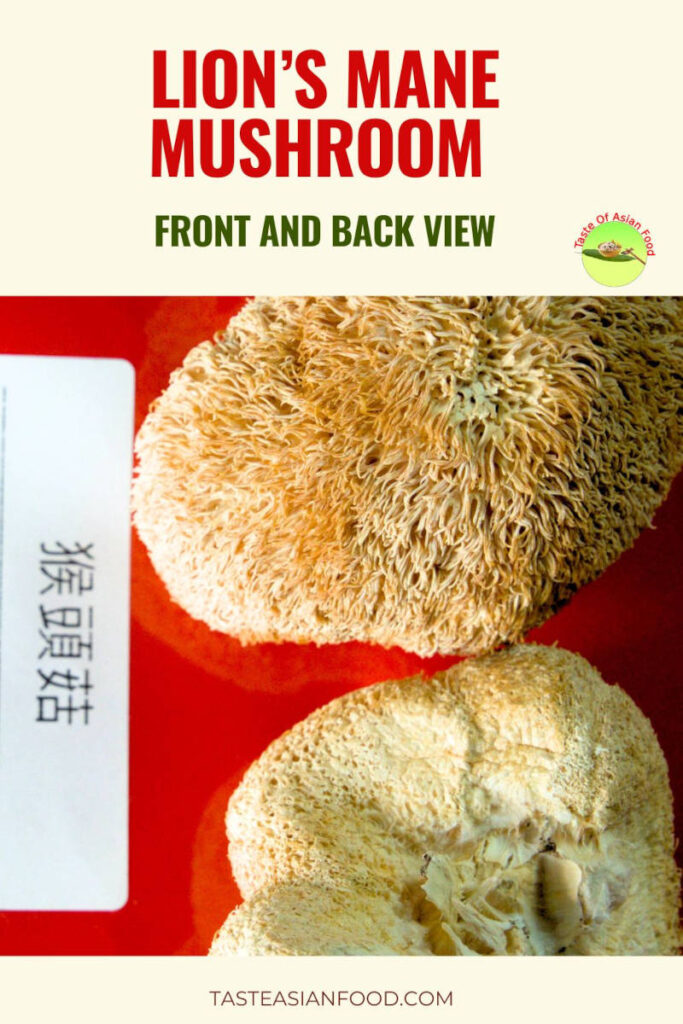
What to Look For as You Cook
I find it’s always helpful to have a few visual signs to know when things are ready:
- The Mushrooms: Look for those edges to turn a pretty golden brown; that’s when the flavor is at its peak.
- The Beans: You’re aiming for a bright, “happy” green. If they start turning a dull olive color, they might be getting a bit overdone.
- The Sauce: It should look like a thin, shiny coat over everything, rather than a heavy soup at the bottom of the wok.
A Savory Twist: Adding Minced Pork
While this dish is a standout on its own, adding a little bit of minced pork is a wonderful way to change the flavor profile. If you aren’t sticking to a vegetarian diet, it’s a variation I highly recommend trying.
The goal isn’t to make it a meat-heavy dish, but rather to use the pork as a savory base. About 100 grams is just enough for two servings.
How to adjust the steps:
I follow the same process as the original recipe, with just a couple of small tweaks in the middle:
- The Meat First: After you’ve dry-seared your lion’s mane and set it aside, wipe your wok clean. Heat a tablespoon of oil and add the marinated minced pork and sear for 2 minutes.
- The Aromatics: Stir-fry the pork until it breaks into small grains. Once it turns pale, push it to one side of the wok and add your sliced garlic and ginger to the space.
- The Combine: Once the aromatics are fragrant, bring the pork back into the center and toss in your blanched beans.
From there, you just continue with the mushrooms and wood ear as usual. The result is a richer, deeper flavor that goes incredibly well with a bowl of steamed jasmine rice.
Frequently Asked Questions: Common Questions & Little Fixes
When I first started cooking with these ingredients, I had quite a few questions myself! Here are some of the things that might come up as you try this at home:
What if I don’t have Lion’s Mane?
You can easily substitute them with King Oyster or Shiitake mushrooms. Just remember, they don’t need the dry-searing step, so you can add them directly to the oil.
Is this dish vegan?
To make it vegan, simply swap in a vegetarian oyster sauce, which is usually made from mushrooms.
Can I make this dish ahead of time?
It’s really best eaten immediately. The beans can lose their bright color, and the lion’s mane can become a bit rubbery if reheated. If you need to prep ahead, you can have everything ready to go and just do the actual stir-frying right before serving.
My dish tastes a bit bland. What happened?
You might not have achieved that golden brown sear on the lion’s mane, or you may have forgotten the sugar. Sugar is quite important here as it balances the saltiness of the soy and oyster sauces.
Why do I have to tear the mushroom instead of cutting it?
Tearing follows the natural threads of the mushroom, which gives it that nice “crab meat” texture. Cutting actually crushes those threads and can make the mushroom feel rubbery.
Is this dish gluten-free?
Not with regular soy sauce. You’ll want to use tamari and a gluten-free vegetarian oyster sauce to make it work for a gluten-free diet.
Can I add a protein to make it a full meal?
Absolutely. Firm tofu or tempeh works great. Just sear your protein right after the garlic and ginger, before adding the vegetables.
What to Serve with Lion’s Mane Mushroom Stir-fry
If you’re looking to make this a full meal, here are a few things I like to serve alongside it:
- Steamed Egg with Minced Pork: The silky, soft eggs are a great contrast to the crunchy stir-fry.
- Winter Melon Soup: A light, clear broth helps cleanse the palate between bites.
- Blanched Choy Sum with Oyster Sauce: An easy way to get even more greens on the table with very little extra effort.
Hi, this is KP Kwan. I am happy to see you at this comment area, as you have read through my recipe. I am happy to reply any questions and comments as soon as possible.