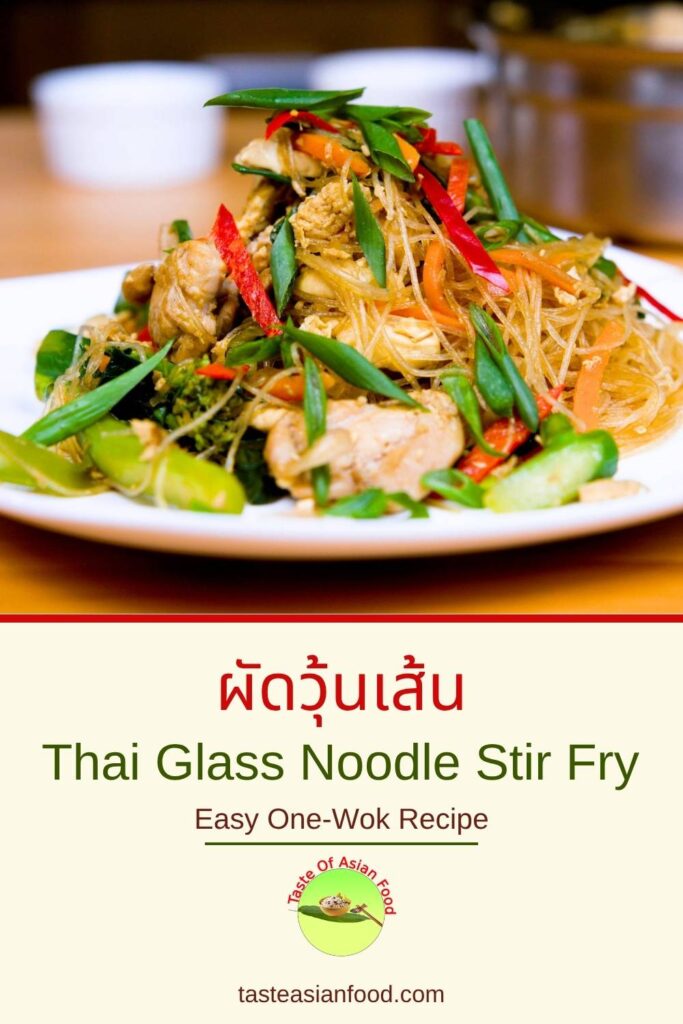
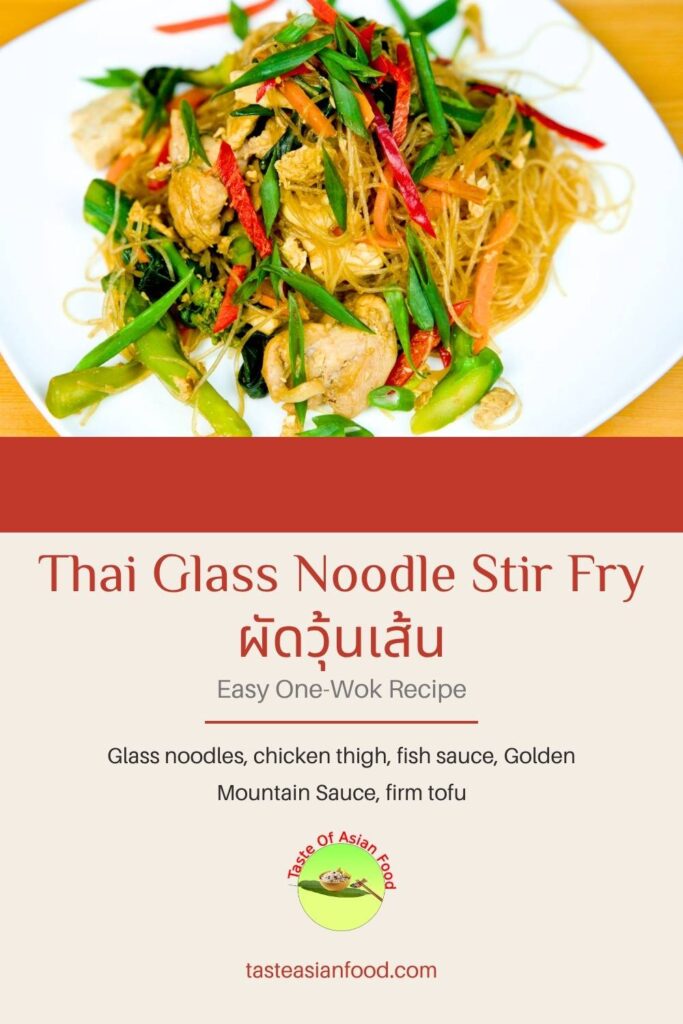
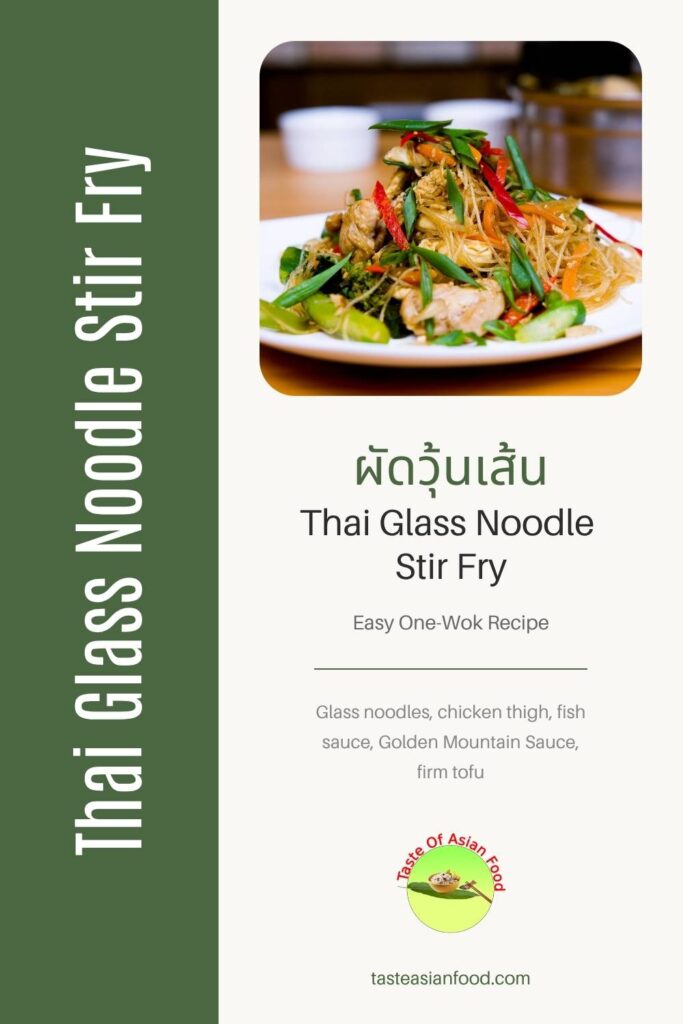
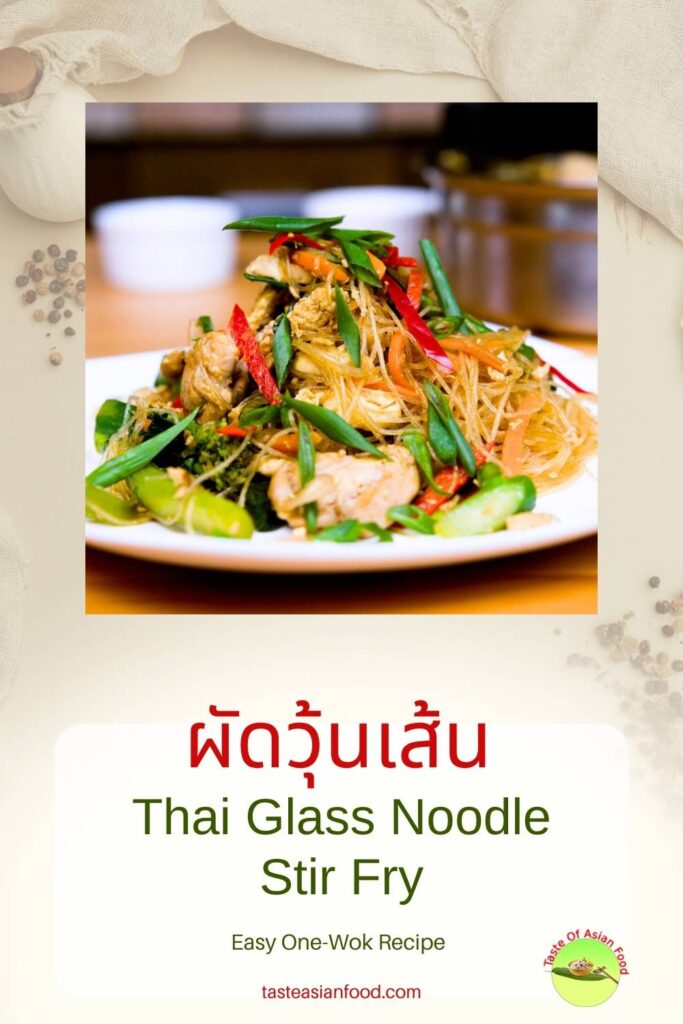
Thai glass noodle stir fry is a quick and flavorful Asian noodle dish made with mung bean glass noodles, chicken, tofu, vegetables, and a savory Thai sauce.
What makes it stand out is the use of Golden Mountain Sauce and fish sauce, two essential Thai seasonings that create a deep umami flavor you do not usually find in Chinese-style stir-fried noodles.
The result is a well-balanced one-wok meal with springy noodles, tender protein, and crisp vegetables that comes together in under 30 minutes.
Content
Note: Click any item to jump straight to that part of the post.
- Why This Recipe Works
- Ingredients Breakdown
- How to Prepare Everything Before Cooking
- Step-by-Step Cooking Instructions
- What I Learned While Making This Dish
- Common Mistakes to Avoid
- Variations
- Serving Suggestions
Note: This post may contain affiliate links. Please read my privacy policy for more info. I may receive commissions for purchases made through links in this post. As an Amazon Associate, I earn from qualifying purchases.
Why This Recipe Works
- Deep Thai umami base – The combination of Golden Mountain Sauce and fish sauce creates a rich, savory foundation that gives the glass noodles their distinct Thai character.
- Balanced one-pan meal – Chicken, tofu, eggs, vegetables, and noodles all come together in one wok, making it a complete meal with protein, carbs, and vegetables.
- Springy noodle texture – Mung bean glass noodles retain their springy and chewy texture even after a short rest following stir-frying.
- Layered cooking method – Cook the chicken, tofu, and vegetables separately before combining them, as each ingredient requires a different cooking time.
- Fast but controlled cooking flow – Once everything is prepped, the stir-fry comes together quickly while still allowing for full control over heat and doneness.
Ingredients Breakdown
- Glass noodles – The heart of the dish, absorbing the savory sauce while staying springy when made from 100% mung bean starch.
- Chicken thigh – Juicy and flavourful, remaining tender during high-heat stir-frying.
- Firm tofu – Adds a soft contrast in texture while soaking up the flavorful seasonings after pan-frying.
- Thai seasoning sauces – Golden Mountain Sauce, fish sauce, oyster sauce, dark soy sauce, and a little sugar work together to create the dish’s signature Thai flavor, balancing savory, umami, sweetness, and color.
- Vegetables and aromatics – Garlic, onion, carrot, Chinese broccoli, spring onion, and red chili add freshness, colour, fragrance, and texture contrast to the noodles.
- Eggs – Eggs are scrambled into the noodles to add richness, softness, and colour contrast.
How to Prepare Everything Before Cooking
- Start by soaking the glass noodles in cold water until they are fully softened and pliable. This gentle soak helps them keep their springy texture and makes them easier to handle during stir-frying. Once softened, drain them well in a colander. Before setting them aside, use kitchen scissors to cut the noodles a few times. This helps shorten the long strands, which can otherwise clump together and make them harder to toss and stir-fry in the wok.
- Cut the chicken thigh into bite-sized pieces and lightly marinate it with Golden Mountain Sauce and white pepper. This simple seasoning builds a solid base of flavor so the chicken still tastes good even on its own.
- Slice the tofu into even pieces so it cooks evenly when pan-fried later. Vegetables, including Chinese broccoli, carrot, onion, garlic, spring onion, and chili, should all be pre-cut and kept ready near the stove since stir-frying moves very quickly once the heat is on.
- The stir-fry sauce should also be mixed in advance by combining oyster sauce, Golden Mountain Sauce, fish sauce, dark soy sauce, sugar, and water until fully dissolved and well blended. Having the sauce ready ensures everything is measured correctly and the cooking process stays smooth during the fast stir-frying stage.
The full ingredient quantities are listed in the recipe card below.
Step-by-Step Cooking Instructions
- Heat a wok over high heat and add cooking oil. Stir-fry the marinated chicken until it is fully cooked and lightly seared on the outside. Remove and set aside.
- In the same wok, pan-fry the tofu slices until the surface becomes lightly brown. Add a little Golden Mountain Sauce while frying to season the tofu. Remove and set aside.
- Add a little more oil if needed, then sauté the garlic until fragrant. Add the onion and cook until it turns aromatic and slightly softened. Add the carrot first and stir-fry briefly, then add the Chinese broccoli. Pour in half of the prepared sauce and cook until the vegetables are just tender. Remove and set aside.
- Add the beaten eggs into the wok and scramble them gently. Return the chicken, tofu, and vegetables to the wok, then add the soaked glass noodles. Pour in the remaining sauce and toss everything together over high heat until evenly combined. If the noodles still feel too firm, add a small splash of water and continue tossing until they reach the right softness and springiness.
- Finish by adding spring onion and chili, give everything a final quick stir, then remove from the heat.
What I Learned While Making This Dish
- Prep makes everything smoother
Once the wok is hot, everything moves fast. Having all ingredients ready in advance makes the cooking process much smoother and more controlled. - Cutting noodles improves texture control
Glass noodles are naturally long and can clump easily. Cutting them after soaking makes them much easier to toss and helps the sauce distribute more evenly. - Sauce works better in two stages
Adding part of the sauce to the vegetables first, and the rest to the noodles, helps distribute the seasoning more evenly. If all the sauce goes into the noodles, they may absorb too much flavour while the vegetables become underseasoned. - Water is part of texture control
A small splash of water during stir-frying helps adjust the softness of the noodles. This is key because glass noodles continue absorbing liquid as they cook. - Separate cooking improves clarity of flavor
Cooking the chicken, tofu, and vegetables separately ensures each ingredient is properly cooked, since they require different cooking times.
Common Mistakes to Avoid
- Noodles become too soft or mushy
This typically occurs when the glass noodles are overcooked or when excessive water is added during cooking. They continue absorbing liquid quickly, so timing is important. - Uneven seasoning
If the sauce is added only at the end without pre-coating the noodles, some bites can taste too salty, while others feel bland. Mixing part of the sauce with the noodles first helps prevent this. - Clumping noodles in the wok
Long glass noodles tend to stick together if they are not cut or properly separated after soaking, making them harder to toss and less evenly coated with sauce. - Watery Thai glass noodle stir fry
Adding too much water or not allowing the stir-fry to cook down properly can dilute the sauce and weaken the overall flavour.
Variations
- Protein swap options – Chicken can be replaced with pork, beef, or prawns, depending on what you have available.
- Vegetarian version – Skip the chicken and use extra tofu or more vegetables. For a fully vegetarian version, replace oyster sauce with vegetarian oyster sauce made from mushroom extract.
- Different vegetables – Chinese broccoli can be replaced with cabbage, bok choy, or other quick-cooking greens without changing the core flavor of the dish.
- Tomato addition – Fresh tomato can be added for a slightly tangy, juicy element, but it is best to remove the seeds first to avoid excess moisture in the stir-fry.
- Extra spice variation – Increase the amount of chili or add fresh bird’s eye chili if you prefer a spicier noodle dish.
Serving Suggestions with Thai glass noodle Stir Fry
- Serve immediately from the wok – Best enjoyed hot straight from the wok when the noodles are springy, and the sauce is glossy.
- Pair with a light soup – A simple, clear soup or broth on the side helps balance the richness of the stir-fry.
- Add a fresh cucumber side – Sliced cucumber or a light salad adds crunch and a cooling contrast to the warm noodles.
- Optional lime squeeze – A small squeeze of lime can brighten the flavour if you prefer a slightly tangy finish, although it is not traditional.
At a Glance
Thai glass noodle stir fry is a quick stir fry featuring tender chicken, crispy tofu, and springy glass noodles in a savoury Thai-style sauce. Best made with everything prepped in advance, as stir-frying moves fast and timing is key. Serve hot for the best texture and flavour, optionally with a light soup on the side.
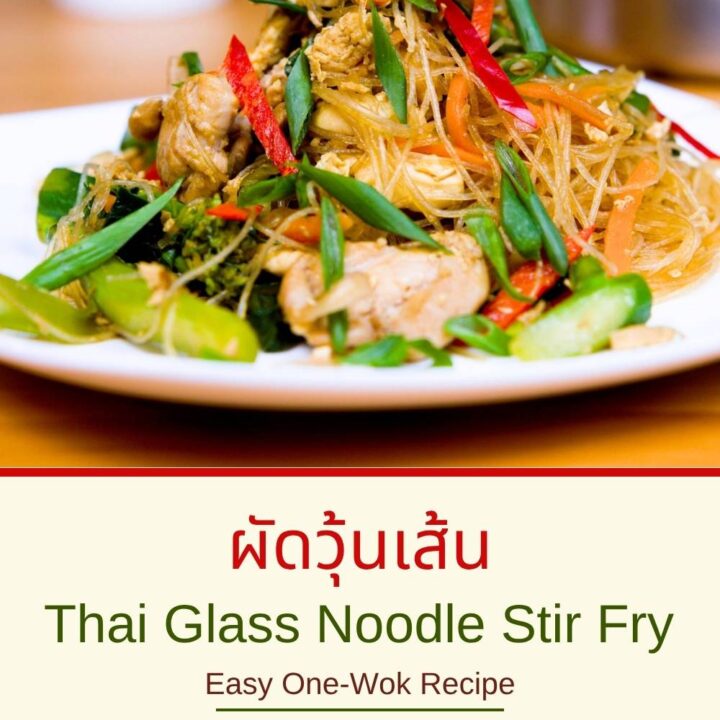
Thai Glass Noodle Stir Fry (Pad Woon Sen)
Easy Thai glass noodle stir fry with chicken, tofu, vegetables, and a savoury Thai sauce made with fish sauce and Golden Mountain Sauce.
Ingredients
Glass Noodles
Chicken
- 180 g chicken thigh, bite-sized pieces
- 2 tsp Golden Mountain Sauce
- ¼ tsp white pepper
Tofu
- 150 g firm tofu, sliced
- 2 tsp Golden Mountain Sauce
Vegetables & Aromatics
- 150 g Chinese broccoli (gai lan), cut into pieces
- 80 g carrot, julienned
- 1 small onion, sliced
- 1 tbsp garlic, chopped
- 2 eggs, beaten
- 2 spring onions, chopped
- 1 red chili, sliced
Stir-Fry Sauce
- 1 tbsp oyster sauce
- 1 tbsp Golden Mountain Sauce
- 1 tbsp fish sauce
- 2 tsp dark soy sauce
- 1 tsp sugar
- 2 tbsp water
Others
- Cooking oil, as needed
Instructions
- Soak glass noodles in cold water until softened. Drain well, then cut into shorter lengths with kitchen scissors.
- Marinate chicken with Golden Mountain Sauce and white pepper.
- Prepare tofu, vegetables, aromatics, and eggs, and mix all sauce ingredients in a bowl.
- Stir-fry chicken over high heat until cooked. Remove.
- Pan-fry tofu with a little Golden Mountain Sauce until lightly golden. Remove.
- Sauté garlic and onion until fragrant. Add carrot, then Chinese broccoli. Add half the sauce and cook until just tender. Remove.
- Toss noodles with remaining sauce until evenly coated.
- Scramble eggs in wok, then return chicken, tofu, and vegetables.
- Add noodles and stir-fry over high heat. Add a splash of water if needed to adjust texture.
- Add spring onion and chili, toss briefly, then serve immediately.
Recommended Products
As an Amazon Associate and member of other affiliate programs, I earn from qualifying purchases.
-
 Joyce Chen 21-9972, Classic Series Carbon Steel Wok Set, 4-Piece, 14-Inch Charcoal
 -
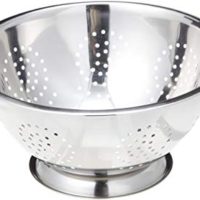
 ExcelSteel 242 5-Quart Stainless Steel Colander
 -
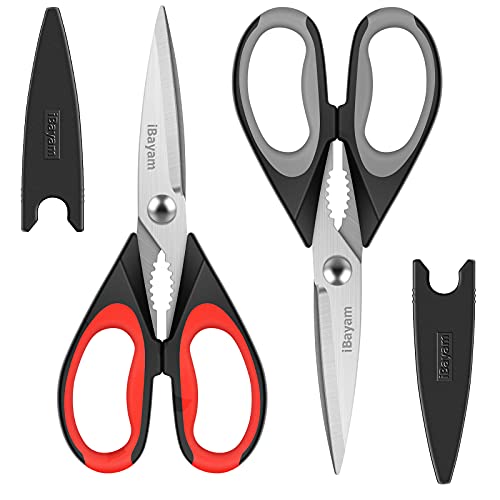 Kitchen Shears, iBayam 2-Pack Kitchen Scissors Heavy Duty Meat Scissors, Dishwasher Safe Cooking Scissors, Multipurpose Stainless Steel Sharp Utility Food Scissors for Chicken, Poultry, Fish, Herbs
Nutrition Information:
Yield: 3 Serving Size: 1Amount Per Serving: Calories: 520Total Fat: 26gSaturated Fat: 8gUnsaturated Fat: 18gCholesterol: 235mgSodium: 1593mgCarbohydrates: 33gFiber: 8gSugar: 9gProtein: 41g
This data was provided and calculated by Nutritionix on 7/5/2026
KP
Sunday 5th of July 2026
Hi, this is KP Kwan. Thank you for reading my recipe. Please feel free to ask any questions or leave comments. I’ll respond as soon as possible.