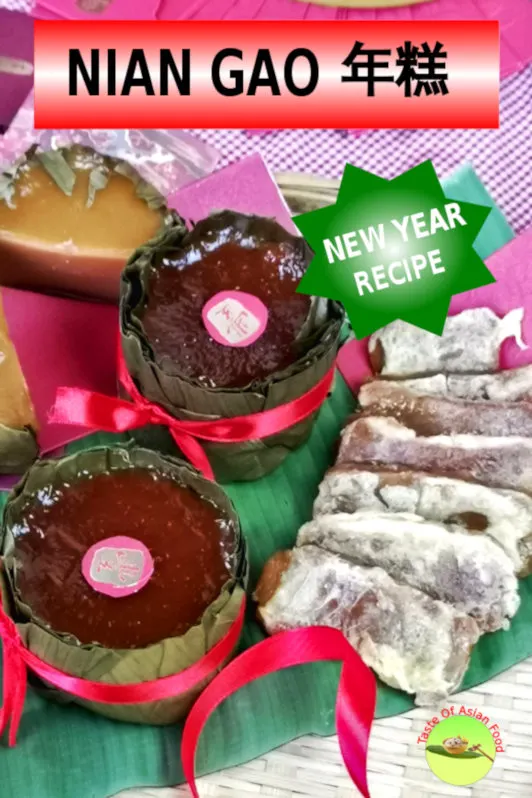
Nian Gao (年糕), also called Chinese New Year cake, is a must-have festive dessert during the Lunar New Year. The name nian gao sounds like 年高 (nián gāo), meaning “a higher year,” symbolizing success, prosperity, and growth in the coming year.
In many Cantonese families, this sweet, chewy rice cake is not just food, it’s a cultural tradition. Making it at home brings back warm memories of bustling kitchens and family gatherings, and the fragrant aroma of pandan and banana leaves steaming on the stove. This version stays true to tradition with a banana leaf-lined mold and pandan-infused batter, just the way many home cooks cherish.
This recipe is part of my Chinese New Year food collection featuring 16 traditional festive dishes.

Note: This post may contain affiliate links. Please read my privacy policy for more info. I may receive commissions for purchases made through links in this post. As an Amazon Associate, I earn from qualifying purchases.
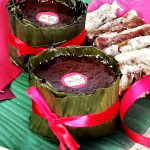
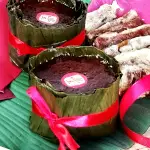
Nian Gao
This recipe is a quick and easy way to make nian gao (年糕). It only takes half a day to make it, as compared to 20 hours of prolonged steaming according to the traditional method.
Ingredients
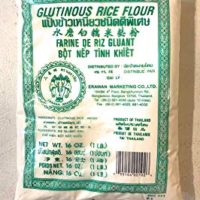
- 350g glutinous rice flour (2.2 cups)
- 350g white sugar (1.7 cjups)
- 350 ml of water (1.4 cups)
- 20g pandan leaves (about 4 leaves)
- Banana leaves to wrap the mold
Instructions
1. Prepare the Banana Leaf Mold
- Clean the banana leaves under running water.
- Soften them by heating briefly over a stove or dipping in hot water — this prevents tearing.
- Wrap the banana leaves around the outer rim and base of your mold, forming a complete liner. Multiple layers help prevent leaks and infuse natural aroma.
- Tuck the leaves neatly inside the mold so the batter won’t stick.
Tip: If you don’t have banana leaves, you can use parchment paper, but the rice cake won’t have the same fragrant aroma and traditional presentation.
2. Make the Sugar Syrup
- Heat the granulated sugar in a pot over low heat until it melts and becomes golden. This caramelization adds a richer flavor than simply dissolving sugar in water.
- Gradually add water or the pandan extract (made by steeping pandan leaves in hot water and straining) into the caramelized sugar, stirring as you go. Be cautious — the hot sugar liquid can bubble up.
- Once blended, set the syrup aside.
3. Combine with Glutinous Rice Flour
- In a large mixing bowl, gradually pour the sugar syrup into the glutinous rice flour.
- Mix well with a fork or handheld mixer until you form a smooth, lump-free batter.
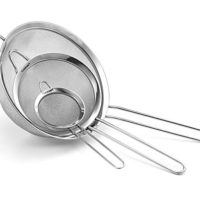
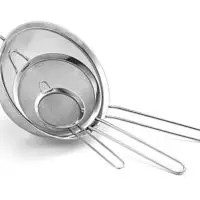
- Strain the batter through a mesh strainer to ensure a smooth texture.
4. Steam the Nian Gao
- Pour the batter into the banana leaf-lined mold.
- Cover the top with aluminum foil to prevent water drips.
- Steam over medium heat with a covered lid for 2 hours.
- After 30 minutes, reduce the heat slightly and continue steaming steadily.
- Once cooked, let the nian gao cool completely at room temperature.
- Unmold by folding the banana leaves upward and gently lifting the cake out. Trim excess leaves and slice.
Recommended Products
As an Amazon Associate and member of other affiliate programs, I earn from qualifying purchases.
Nutrition Information:
Yield: 2 Serving Size: 3 nian gaoAmount Per Serving: Calories: 1244Total Fat: 4gSaturated Fat: 1gTrans Fat: 0gUnsaturated Fat: 2gCholesterol: 0mgSodium: 191mgCarbohydrates: 293gFiber: 6gSugar: 182gProtein: 14g
This data was provided and calculated by Nutritionix on 12/21/2019
Serving Suggestions
- Serve fresh as dessert — soft, sweet, and fragrant.
- For variation, pan-fry slices coated with egg until golden for a crispy exterior.
- After refrigeration, the rice cake firms up and is easier to slice.
Tips for Best Texture & Flavor
- The use of glutinous rice flour gives nian gao its signature chewy and sticky texture, a hallmark of this festive cake.
- The aroma from pandan extract and banana leaf makes it uniquely fragrant and nostalgic.
- Be patient with steaming — even gentle heat over time ensures a smooth, fully cooked texture.
Frequently Asked Questions
Can I use brown sugar instead of white sugar?
Yes, brown sugar adds a deeper caramel note and darker color, though it’s a slight variation from the original flavor.
Why does nian gao get firmer after refrigeration?
As it cools, the moisture redistributes and the starches set, making it easier to slice and perfect for pan-frying.
How do I store leftover nian gao?
Keep it in an airtight container in the refrigerator for up to 5 days. It also freezes well — thaw before serving.
Related Recipes
- Spring Rolls — A symbolic crispy snack for prosperity.
- Pineapple Tart — Sweet treats that symbolize wealth and luck.
Part of the Chinese New Year Food Collection
This Nian Gao recipe is part of the complete guide to 16 traditional Chinese New Year dishes — from snacks to mains and festive sweets.
👉 Return to the Chinese New Year Recipes Hub
Chinese New Year recipes - 10 auspicious food that brings you prosperity
Thursday 9th of January 2025
[…] Click here to get the Nian Gao recipe […]
Cheryl
Sunday 15th of January 2023
Where do I get pandan leaves? Can u translate the cups etc?
KP Kwan
Monday 16th of January 2023
It is not commonly available in some countries outside Asia. However, I know that you can get it from Amazon. I found a link for you: https://amzn.to/3qRCCsv
You can use this free service to convert the measurements: https://www.convert-me.com/en/convert/cooking/
Anyway, I have updated it in the recipe
Joanna
Saturday 14th of January 2023
Hi KP, is it possible for you to post a recipe on frying nian gao (the one with sweet potato)? Thanks.
KP Kwan
Monday 16th of January 2023
Thanks for the recipe suggestion. I will keep it in mind for future recipe development. Meanwhile, there is little time for me to do it this round of Chinese New Year. Cheers!
Lucia
Thursday 11th of February 2021
Is the ratio 1:1:1, so can I reduced the amt and make in a 7 in pan? Thank you
KP Kwan
Friday 12th of February 2021
The mold I use is four inches in diameter, and the recipe is for three nian gao. You need to make the adjustment to suit your mold.
Michael Loh
Thursday 5th of March 2020
Hi KP, Just 1 question. Do you mix the caramel syrup with the flour whilst it's hot, or do you cool it first.
KP Kwan
Friday 6th of March 2020
Hi Michael, I let the syrup cool down first before adding it to the flour. It does not need to be completely cold, but as long as it is not so hot that you can't handle it. I hope this is useful. KP Kwan