
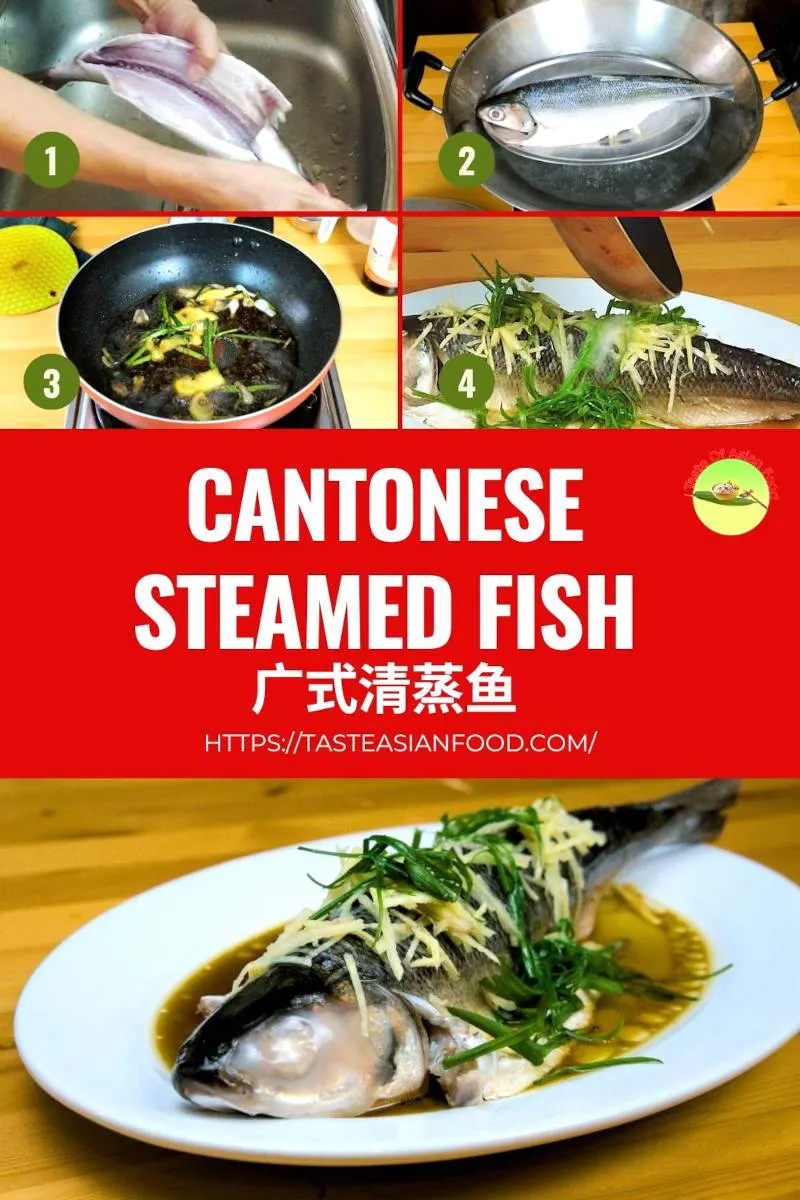
Steamed fish is one of the most symbolic and beloved dishes on a Chinese New Year dinner table. In Chinese culture, the word for fish (鱼 yú) is a homophone for surplus (余 yú), representing the wish for abundance and prosperity every year. Traditionally, the fish is served whole — head to tail — to convey a complete, auspicious start and end to the year, and is often the centerpiece of the reunion feast.
This Cantonese version celebrates freshness and simplicity, allowing the natural sweetness of the fish to shine, enhanced by aromatic ginger, scallions, and a soy‑based sauce finished with hot oil.
This recipe is part of my Chinese New Year food collection with 16 traditional festive dishes.
Note: This post may contain affiliate links. Please read my privacy policy for more info. I may receive commissions for purchases made through links in this post. As an Amazon Associate, I earn from qualifying purchases.
Cantonese Steamed Fish
A practical guide to preparing Cantonese steamed fish, including tips to steam it perfectly and a quick homemade sauce.
Ingredients
- 1 whole fish of your choice (650g/1.3 pounds)
- 4 tbsp vegetable oil
- 3 stalks scallion
- 2 inches ginger
- 3 tbsp premium light soy sauce
- Dash of ground white pepper
- 1 tbsp Shaoxing wine
- 1/4 cup water
Instructions
1. Prepare the Fish and Plate
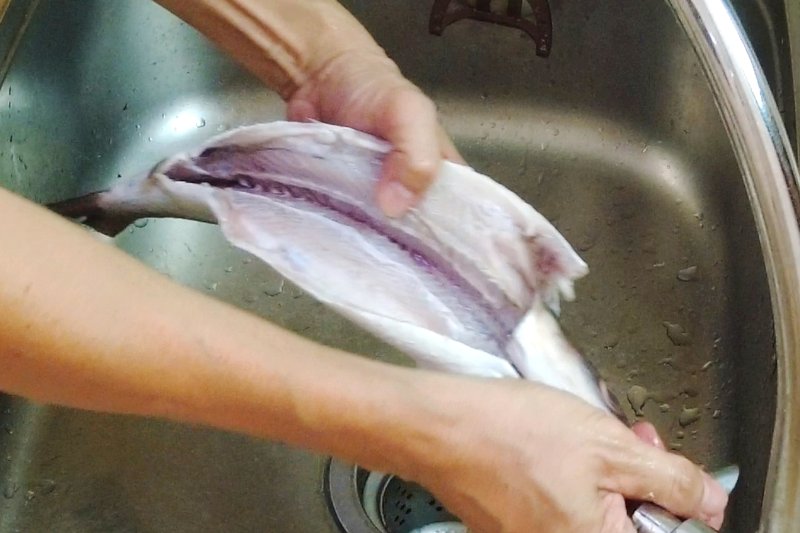
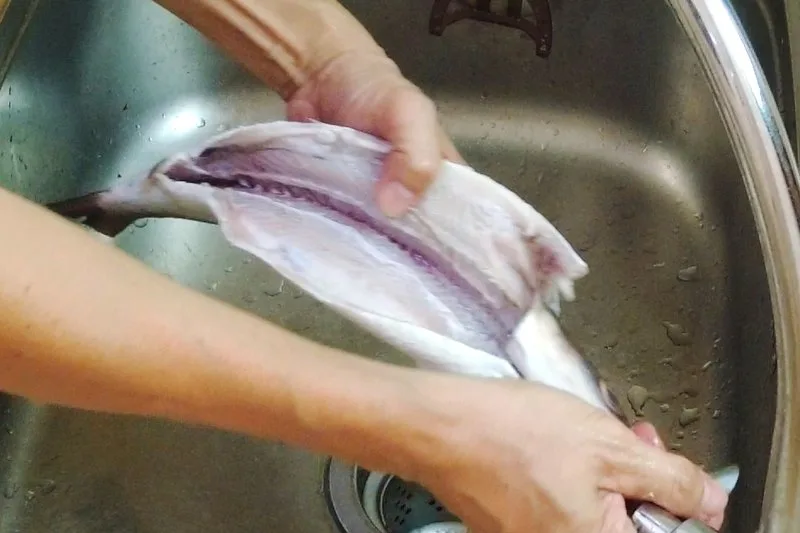
- Wash the fish thoroughly, removing any debris and traces of blood from inside the cavity.
- If your fishmonger hasn’t done so, scale and gut the fish yourself. Pat dry.
- Place a few short scallion sections lengthwise on an oval heat‑proof plate; this acts as a gentle steamer rack and helps even cooking.
- Lay the fish on top of the scallions so steam can circulate evenly underneath.
2. Steam the Fish
- Bring water in your steamer (or wok with steaming rack) to a rapid boil.
- Place the plate with the fish into the steamer, cover with the lid, and steam over high heat for 8–12 minutes.
- Timing tip: Around 8–9 minutes for a fish ~650 g; add a minute or two for larger fish.
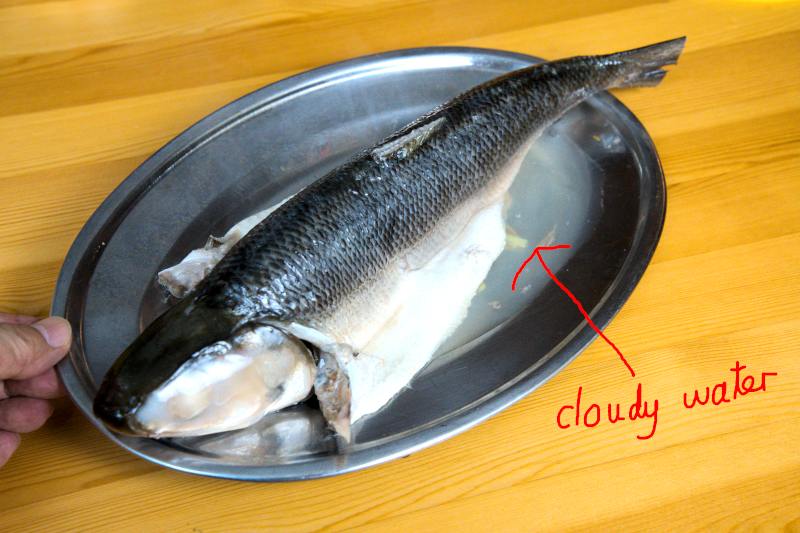
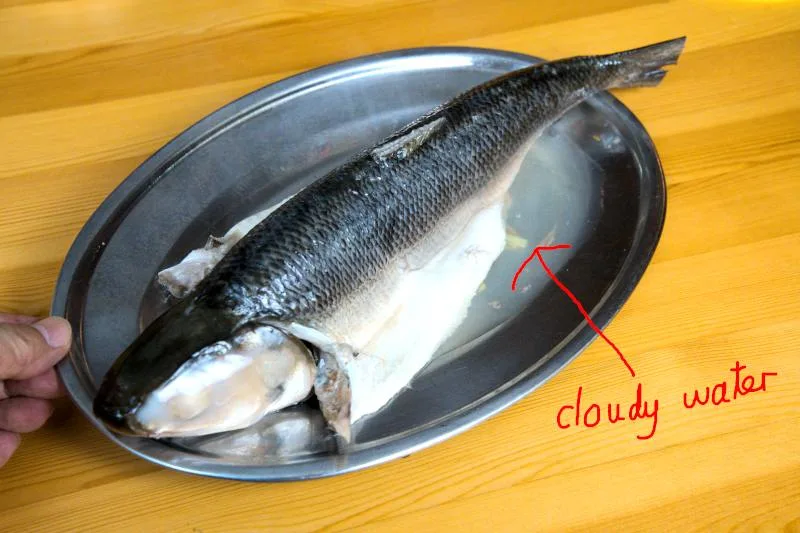
- Once steamed, carefully remove the plate and discard the cloudy liquid that collects underneath the fish — this can carry an unpleasant fishy odor.
3. Prepare the Sauce and Aromatics
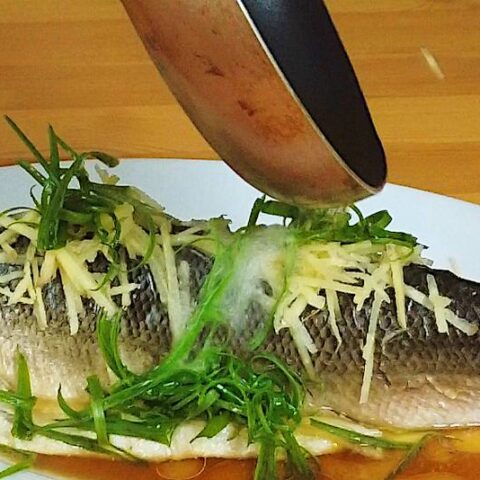
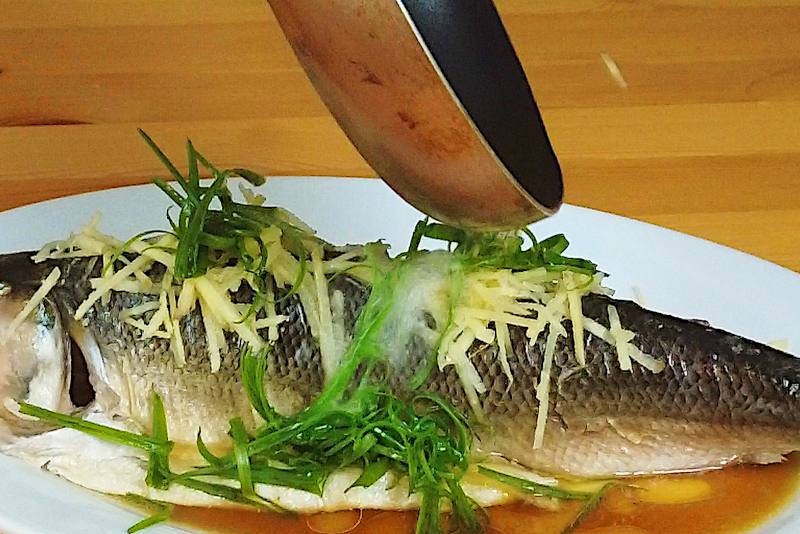
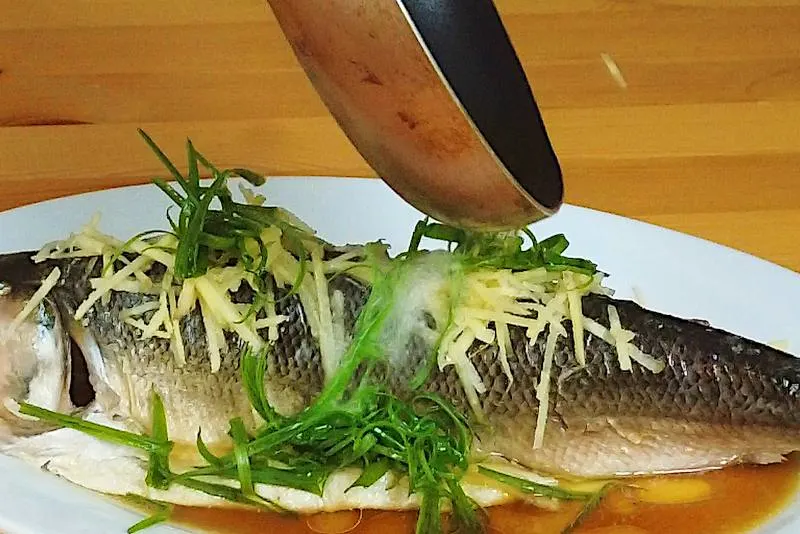
- Top the cooked fish with generous amounts of ginger and scallions.
- Heat the vegetable oil in a small pan until very hot but not smoking.
- Immediately pour the hot oil over the ginger and scallions on top of the fish — this releases aromatic oils and enhances fragrance.
- Drizzle the soy‑Shaoxing sauce mixture over the fish.
Quick Homemade Sauce (Optional)
If you want to make a more developed sauce rather than a simple drizzle:
- Sauté a little ginger and scallion in a tablespoon of oil until aromatic.
- Add 2–3 tbsp light soy sauce, 1 tbsp Shaoxing wine, white pepper, and ¼ cup water.
- Let the mixture simmer for 5–10 minutes until slightly reduced. Strain and pour over fish.
Recommended Products
As an Amazon Associate and member of other affiliate programs, I earn from qualifying purchases.

Nutrition Information:
Yield: 1 Serving Size: 1Amount Per Serving: Calories: 754Total Fat: 59gSaturated Fat: 10gTrans Fat: 0gUnsaturated Fat: 46gCholesterol: 97mgSodium: 3371mgCarbohydrates: 7gFiber: 2gSugar: 1gProtein: 49g
This data was provided and calculated by Nutritionix on 5/24/2025
Why This Dish Works
- Steaming preserves moisture, resulting in tender, juicy flesh with minimal seasoning.
- Ginger and scallions temper any fishiness and add depth.
- Hot oil poured over aromatics releases fragrance that elevates the delicate seafood.
Serving Tips
- Serve immediately while the fish is hot — the texture and aroma are best fresh.
- Traditionally, do not flip the fish when serving; instead, lift the top half off to maintain auspicious symbolism.
- Pair with steamed rice and other festive mains like Pork Knuckle with Dried Oysters and Longevity Noodles for a balanced Chinese New Year feast.
Related Recipes
- Pork Knuckle with Dried Oysters — A rich, auspicious meat dish.
- Longevity Noodles (长寿面) — For good health and long life during the New Year.
👉 Return to the Chinese New Year Recipes Hub
Frequently Asked Questions
Can I use fish fillets instead of a whole fish?
Yes, but a whole fish is more traditional and symbolically complete for Chinese New Year.
How do I know the fish is fully cooked?
Insert a chopstick near the thickest part — the flesh should flake easily and be opaque.
Why do we discard the steaming liquid?
It contains steam condensation and fish juices that can dilute the clean flavor if not poured off.
KP
Saturday 24th of May 2025
Hi, this is KP Kwan. I’m delighted to see you here in the comment section after reading my recipe. I’ll be happy to answer any questions or comments as soon as possible.